
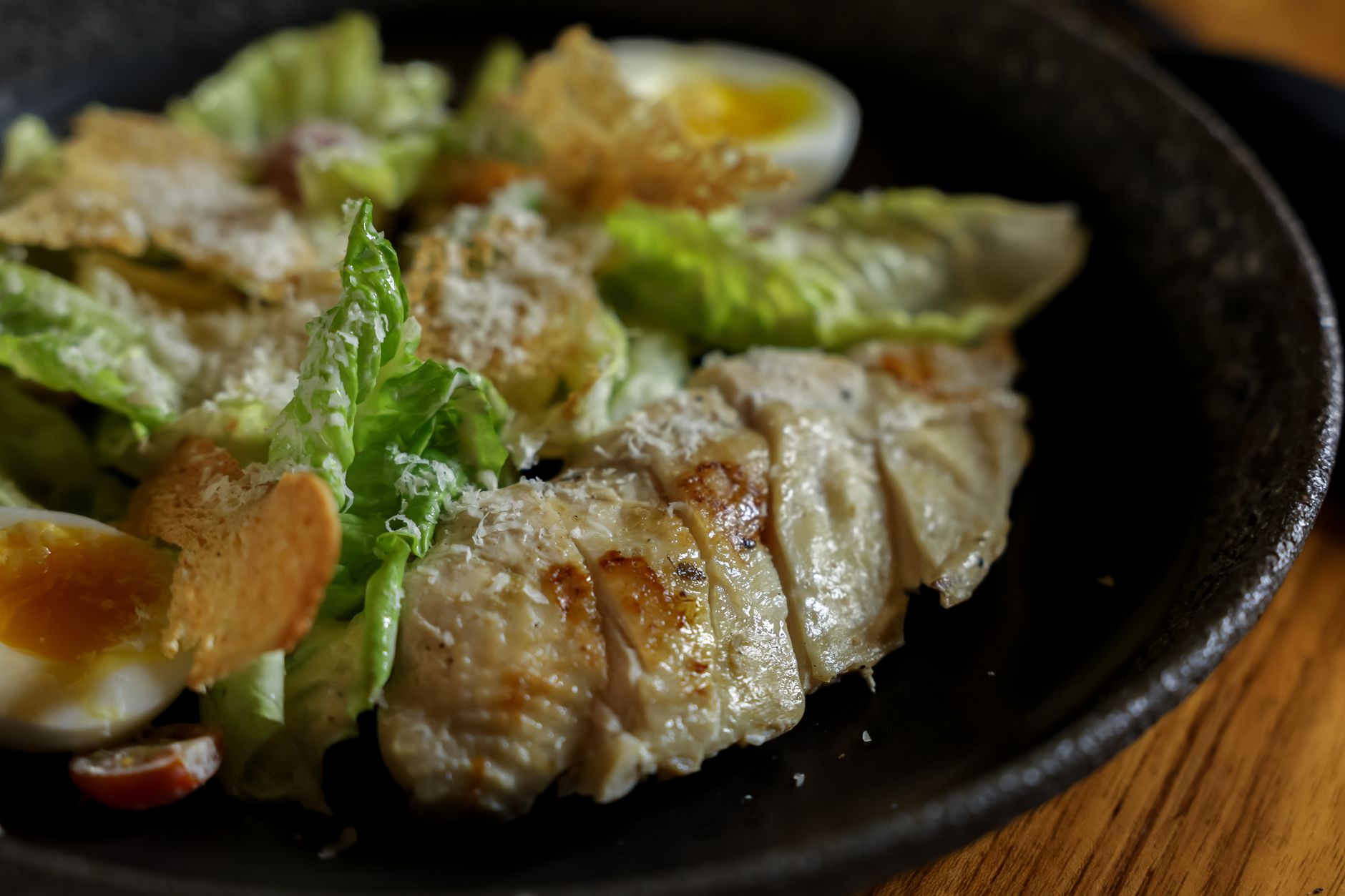
Boiling frozen chicken can be a convenient way to get dinner on the table quickly when your meal planning goes awry. However, it’s essential to understand how to do it safely and effectively for the best flavor and texture. This article will guide you through boiling frozen chicken, from prep to serving tips.
In exploring this cooking technique, we’ll cover the appropriate methods, timing, and other helpful tips to ensure that your chicken is juicy and well-cooked. Let’s delve into the details of boiling frozen chicken!
Can I Boil Chicken Frozen?
Yes, you can boil chicken frozen, but it will require adjustments in timing to ensure it is fully cooked. When boiling frozen chicken, you should allow additional cooking time compared to thawed chicken. Using a food thermometer is crucial to verify that the chicken reaches a safe internal temperature.
Why Boil Frozen Chicken?
Boiling frozen chicken is an excellent option for several reasons:
- Time-Saving: It can be a last-minute solution when dinner plans change or chicken is forgotten to thaw.
- Easy Preparation: It requires minimal preparation and only a few ingredients.
- Versatile Use: Boiled chicken can be used in various meals, from salads to soups and sandwiches.
Essential Equipment Needed
Before you start boiling frozen chicken, gather the essential equipment:
- Large pot for boiling
- Meat thermometer for checking doneness
- Cutting board and knife for shredding or slicing
- Slotted spoon or tongs for handling the chicken
Timing and Cooking Guidelines
Boiling frozen chicken is not the same as boiling fresh or thawed chicken. Here is a detailed guideline on timing and cooking methods:
Cooking Frozen Chicken Breasts
- Place the frozen chicken breasts in a large pot and cover them with water. Ensure that the water is enough to submerge the chicken entirely.
- Add any seasonings or aromatics to the water if desired, such as salt, pepper, garlic powder, or herbs.
- Bring the water to a boil over high heat.
- Once boiling, reduce the heat to medium-low and cover the pot. Let it simmer for approximately 20-30 minutes, depending on the size and thickness of the chicken breasts.
- Use a meat thermometer to check for doneness; the chicken should reach an internal temperature of 165°F (75°C).
- Once cooked, remove the chicken from the pot and let it rest for a few minutes before slicing or shredding.
Cooking Frozen Chicken Thighs
- Place the frozen chicken thighs in the pot and cover with water, allowing enough space for them to float freely.
- Season the water as desired, with ingredients such as onion, bay leaves, or herbs.
- Boil over high heat until a rolling boil is achieved.
- Reduce to a simmer and cook the thighs for about 25-35 minutes, aligning with their size.
- Check the internal temperature ensuring it reaches 165°F (75°C) before removing from heat.
Cooking Frozen Whole Chicken
- This method is less common but can be done. Place the frozen whole chicken in a large pot and cover with water.
- Season the water if desired, using herbs, lemon slices, or seasoning blends.
- Bring the pot to a boil, then lower to a simmer.
- Cook for 1.5 to 2 hours, checking the internal temperature at various points for doneness.
- The internal temperature should reach 165°F (75°C) in the thickest parts, particularly near the bones.
Common Mistakes to Avoid
When boiling frozen chicken, some common mistakes can lead to undesirable results:
- Not Checking Temperature: Always use a meat thermometer to confirm that the chicken is cooked thoroughly.
- Overcrowding the Pot: Avoid putting too much chicken in one pot, which can lead to uneven cooking.
- Underseasoning: While boiling, use herbs and spices in the water to enhance the chicken’s flavor.
Flavoring Your Boiled Chicken
Flavoring is crucial when boiling chicken, as the cooking method is quite neutral. Here are some tips for enhancing flavor:
- Use Stock: Substitute water for chicken or vegetable stock for a richer flavor.
- Add Aromatics: Include onions, garlic, ginger, or herbs to the boiling liquid to infuse a more dynamic taste.
- Marinate Before Cooking: If you have time, consider marinating the frozen chicken beforehand in a safe manner, allowing flavors to penetrate the meat.
Serving Suggestions
Once your chicken is boiled and seasoned to perfection, it can be used in a variety of dishes:
- Shredded Chicken Salad: Toss shredded chicken with your favorite greens, vegetables, and dressing for a refreshing meal.
- Chicken Soup: Add boiled chicken to a pot with broth, vegetables, and noodles for a comforting soup.
- Chicken Tacos: Season the shredded chicken with taco spices and serve in tortillas with toppings of your choice.
Make-Ahead and Storage Guidance
If you’ve boiled more chicken than needed, proper storage ensures it remains tasty and safe:
- Cool the chicken to room temperature before refrigerating or freezing.
- Store cooled chicken in an airtight container in the refrigerator for up to 4 days.
- If freezing, wrap tightly in plastic wrap or foil, and place in a freezer-safe bag or container for up to 3 months.
Reheating Techniques
When you’re ready to use your boiled chicken, reheating it correctly is key:
- For reheating in the microwave, place the chicken in a microwave-safe dish, cover with a damp paper towel, and heat in 30-second intervals until warmed through.
- To reheat on the stovetop, add a sprinkle of water and cover in a skillet on medium-low heat until heated thoroughly.
- Avoid reheating boiled chicken multiple times to reduce the risk of drying out or compromising quality.
Variations and Substitutions
If you’re exploring different flavor profiles or dietary preferences, consider these variations:
- Different Proteins: This boiling technique can also be applied to turkey or other fowl.
- Vegetarian Options: Instead of chicken, try boiling chickpeas or lentils in a similar manner for delicious vegetarian protein.
- Herb Variations: Experiment with different herbs such as thyme, rosemary, or cilantro to change the flavor profile of your chicken.
Boiling frozen chicken is a practical and effective way to ensure that you can prepare a healthy meal even when your schedule may not allow for extensive prepping. By following the guidelines and timing stated in this article, you can achieve tender, juicy chicken every time.
If you’re looking for more cooking techniques or meal ideas, explore resources such as how to use a slow cooker for frozen chicken or tips for boiling vegetables.
For more helpful cooking guides, be sure to check out our articles on using frozen chicken in a crockpot and boiling asparagus.