
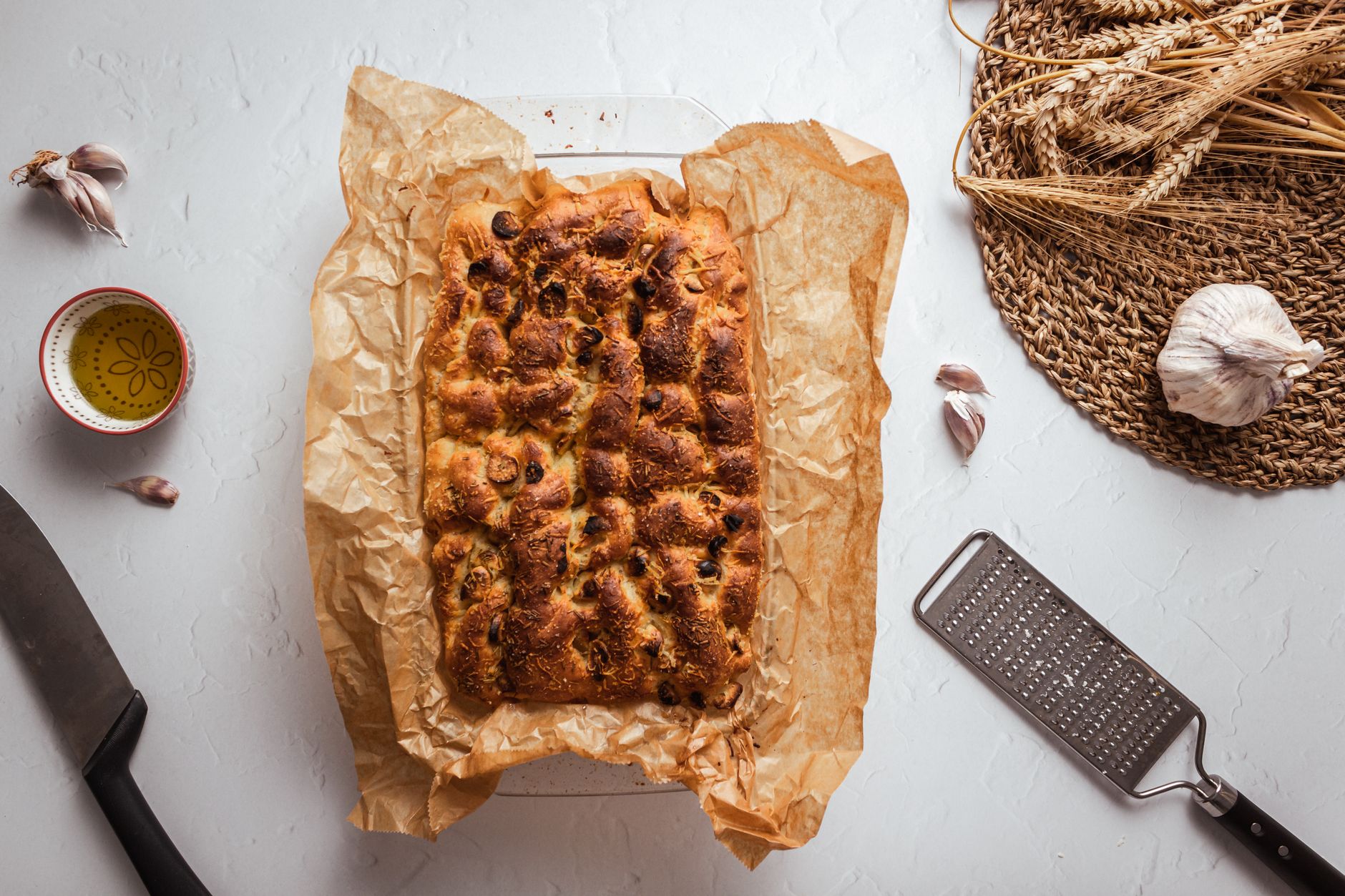
Using olive oil in baking is not only possible but can enhance the flavor and moisture of your baked goods. Its unique characteristics make it a versatile ingredient that can be easily incorporated into a variety of recipes, from bread to cakes. In this guide, we will explore the ins and outs of using olive oil in baking, including prep tips, timing considerations, and serving ideas.
Whether you’re a seasoned baker or a novice looking to experiment, this article will provide you with practical advice on how to successfully bake with olive oil. Let’s dive into the details!
Can I Bake with Olive Oil?
Yes, you can absolutely bake with olive oil! It not only adds a distinct flavor but also contributes to the moisture and texture of the finished product. Olive oil can be used in savory and sweet recipes alike, making it an excellent pantry staple for bakers.
Benefits of Baking with Olive Oil
- Flavor: Olive oil offers a unique, rich flavor that can enhance the taste of baked goods. The variety of olive oil, such as extra virgin or light, can also affect the overall taste profile.
- Healthier Fat Option: Compared to butter and certain vegetable oils, olive oil is considered a healthier fat. It contains monounsaturated fats and antioxidants, making it a heart-friendly option.
- Moisture Retention: Olive oil can help retain moisture in cakes, muffins, and breads, resulting in a tender texture.
- Versatility: Olive oil can be used in a range of recipes—from savory baked goods, like focaccia, to sweet treats, such as cakes and cookies.
Types of Olive Oil to Use for Baking
When baking with olive oil, it’s essential to choose the right type. Here are the most common varieties:
- Extra Virgin Olive Oil: This is the highest quality oil, made from the first pressing of olives. It has a robust flavor and is ideal for recipes where the taste of olive oil will be prominent.
- Light Olive Oil: Lighter in flavor and color, this type of oil is ideal if you want the benefits of olive oil without a strong flavor. It works well in cakes and muffins.
- Olive Oil Blend: Sometimes available in stores, this oil combines different types of oils. It’s often milder and suitable for baking.
Ingredient Substitutions: How to Substitute Olive Oil in Baking
If you’re looking to switch to olive oil in a baking recipe that requires another fat, here are some key substitutions:
- Butter: Use a 1:1 ratio. For every cup of butter, substitute with one cup of olive oil. Keep in mind that the flavor will be different, and you may need to adjust other ingredients, such as sugar, to balance the flavors.
- Coconut Oil: Again, a 1:1 substitution can be made. This works well for cookies and muffins, as it adds a lovely moisture.
- Vegetable Oil: Olive oil can easily replace vegetable oil at a 1:1 ratio. The result will be a richer flavor.
Tips for Successful Baking with Olive Oil
- Choose the right flavor: If the flavor of olive oil is too strong for your taste, consider using light olive oil or blending with neutral oils.
- Measure carefully: Use precise measurements, as the amount of oil can significantly affect the texture and moisture of your baked goods.
- Adjust baking times: Baked goods made with olive oil may cook faster, so keep an eye on them as they bake.
- Cool ingredients: Use room temperature ingredients to help the oil blend well with other ingredients for a smooth batter or dough.
How to Bake with Olive Oil: A Step-by-Step Guide
- Gather your ingredients: Assemble all necessary ingredients, including olive oil, flour, sugar, eggs, and any flavorings like vanilla or cocoa.
- Preheat the oven: Preheat your oven to the specified temperature (usually between 325°F and 375°F depending on the recipe).
- Mix dry ingredients: In a separate bowl, mix your dry ingredients (flour, baking powder, baking soda, salt) until well combined.
- Combine wet ingredients: In another bowl, whisk together the olive oil and any other wet ingredients (sugar, eggs, milk, etc.) until smooth.
- Gradually mix together: Slowly incorporate the dry ingredients into the wet ingredients, mixing just until combined. Do not overmix.
- Pour and bake: Pour the batter into a greased or lined baking pan and place it in the preheated oven. Bake for the recommended time, checking occasionally for doneness.
- Cool and serve: Once baked, allow the baked goods to cool in the pan for a short time before transferring them to a wire rack to cool completely.
Common Mistakes When Baking with Olive Oil
- Overusing oil: Adding too much olive oil can lead to greasy baked goods. Stick to the recommended amounts in your recipe.
- Ignoring flavor profiles: Using strong-flavored olive oils in delicate recipes can lead to unbalanced flavors. Consider the taste of the finished product.
- Neglecting baking times: Baked goods made with olive oil can cook faster than those made with butter. Always check for doneness a few minutes earlier.
Flavor Pairings and Serving Suggestions
Baked goods made with olive oil can be paired with various flavors. Here are some ideas:
- Citrus: Lemon and orange zest can brighten the flavor of cakes and muffins.
- Nuts: Walnuts, almonds, or hazelnuts complement the flavor of olive oil well in breads and cookies.
- Herbs and Spices: Rosemary or thyme can be a delightful addition to olive oil-based breads.
- Chocolates: Olive oil pairs surprisingly well with rich chocolate flavors in cakes and brownies.
Make-Ahead and Storage Tips
To prolong the life of your olive oil baked creations, follow these storage guidelines:
- Room Temperature: Items such as bread and muffins can be stored at room temperature in an airtight container for up to three days.
- Refrigeration: Cakes and cookies can be refrigerated for up to a week. Wrap them well to prevent drying out.
- Freezing: Many baked goods freeze well. Wrap them in plastic wrap and foil and store in the freezer for up to three months.
Popular Olive Oil Baking Recipes to Try
Here are some delicious recipes where you can incorporate olive oil:
- Banana Bread with Olive Oil: A moist, flavorful loaf perfect for breakfast or a snack.
- Olive Oil Cake: A simple, elegant cake that highlights the flavor of olive oil. Serve it with fresh fruit or a dusting of powdered sugar.
- Focaccia: This Italian bread is perfect for dipping and can easily be made with olive oil, resulting in a fluffy, crispy crust.
Baking with olive oil offers myriad benefits, allowing for delicious results that are both flavorful and moist. Now that you’ve read through the various considerations and techniques, try incorporating olive oil into your next baking project for a delightful twist!
Explore more helpful guides on baking and ingredient alternatives by checking out these banana bread recipes and learn what you can substitute for olive oil in your cooking adventures.