
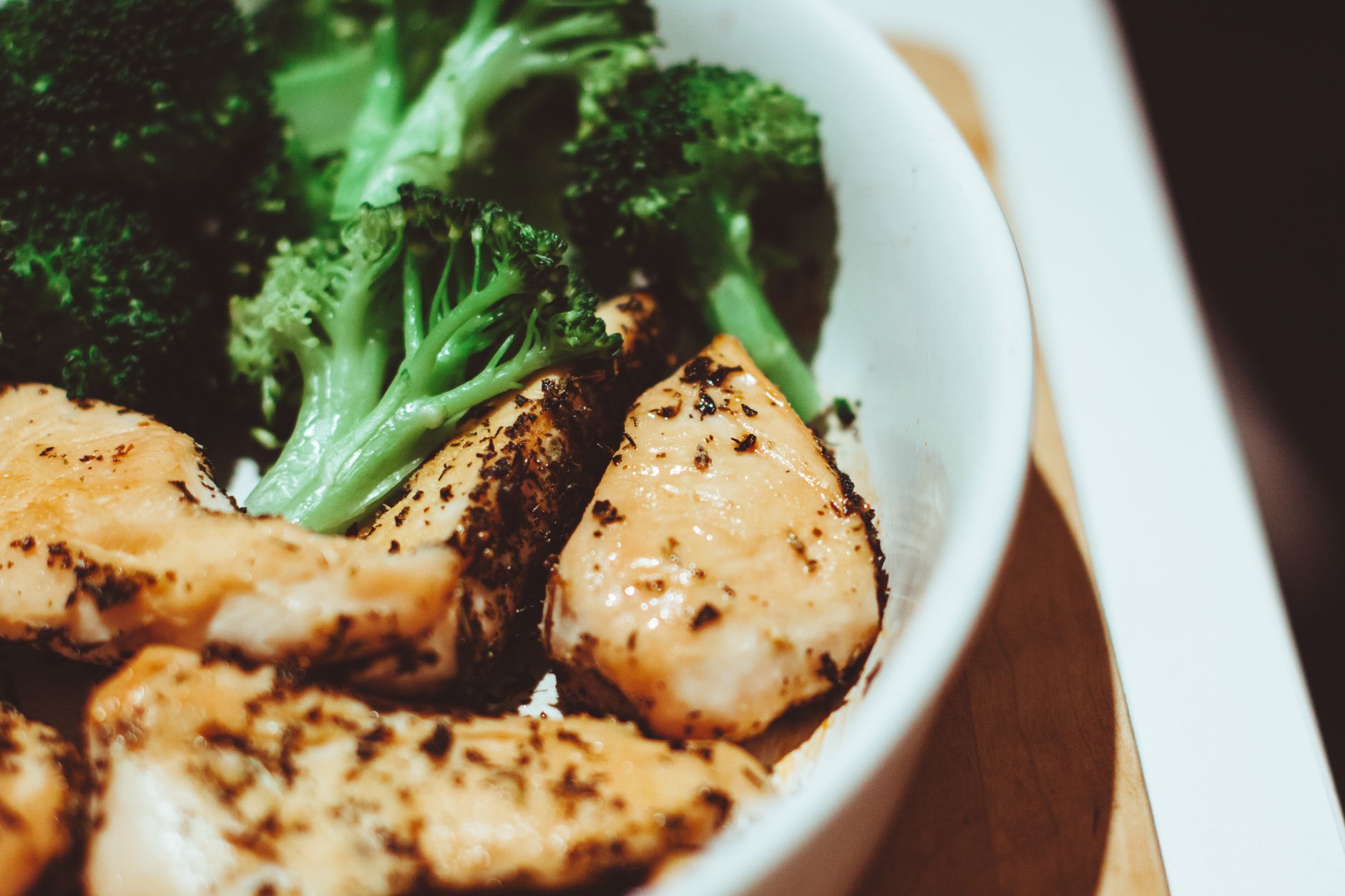
When raising chickens, providing a varied and nutritious diet is essential for their health and egg production. One common question among chicken owners is whether chickens can safely eat broccoli. Understanding which vegetables make healthy treats for chickens can contribute significantly to their overall well-being. In this article, we will explore the benefits and considerations of feeding broccoli to chickens, how to prepare it, and tips for incorporating this vegetable into their diet.
Broccoli is not only a popular vegetable for humans but also has some appealing attributes for chickens. It is packed with vitamins and minerals while offering a delightful crunch that many chickens enjoy. However, as with any food, moderation and preparation play key roles in ensuring that it is suitable for their consumption.
Can Chickens Have Broccoli?
Yes, chickens can have broccoli. This nutritious green vegetable is safe for them to eat and can provide various health benefits. Broccoli contains vitamins A, C, and K, along with fiber, making it a valuable addition to your flock’s diet in moderation.
Benefits of Feeding Broccoli to Chickens
Broccoli can offer numerous health benefits for chickens, contributing to their diets in several ways. Here are the main advantages of incorporating broccoli into their meals:
- Vitamins and Nutrients: Broccoli is high in essential vitamins and minerals that can promote overall health in chickens. Vitamins A and C support the immune system, while Vitamin K plays a crucial role in blood clotting.
- Antioxidants: This vegetable contains antioxidants that help combat oxidative stress, important for maintaining good health.
- Fiber Content: Broccoli has a high fiber content, which aids digestion and promotes gut health in chickens.
- Enhances Egg Production: The additional nutrients may contribute to improved egg production quality and shell strength.
Considerations When Feeding Broccoli to Chickens
While broccoli is edible and beneficial for chickens, there are a few factors to consider to ensure it is safe and effective in their diet:
- Moderation is Key: Too much broccoli can lead to digestive issues. Feed it as a treat, constituting no more than 10% of their daily diet.
- Introduce Gradually: If your chickens have never eaten broccoli before, introduce it slowly to prevent digestive upset. Monitor their reactions to this new addition.
- Prepping Broccoli: Broccoli should be washed thoroughly to remove any pesticides or contaminants. Consider chopping it into smaller pieces to make it easier for chickens to eat.
- Avoid Spoiled Vegetables: Always check the broccoli for mold or spoilage. Feeding spoiled vegetables can trigger health issues in chickens.
How to Prepare Broccoli for Chickens
Preparing broccoli for your chickens can be simple and quick. Below is a step-by-step guide to ensure that it is safe and enjoyable for your flock:
- Select Fresh Broccoli: Choose bright green broccoli heads. Avoid anything yellowing or limp, as these indicate spoilage.
- Wash Thoroughly: Rinse the broccoli under cold water to remove dirt, pesticides, or other contaminants.
- Chop into Manageable Sizes: Depending on the size of your chickens, chop the broccoli into smaller pieces. This will make it easier for them to pick and eat the vegetable.
- Offer Raw or Cooked: You can give broccoli to chickens raw, steamed, or lightly cooked. Raw can preserve more nutrients, but cooking can soften it and make it easier to digest.
- Mix with Other Treats: To encourage consumption, consider mixing broccoli with other favorite chicken treats like corn, peas, or leafy greens.
Ways to Incorporate Broccoli into Your Chickens’ Diet
Including broccoli in your chickens’ diet can be both creative and fun. Here are some methods to encourage your flock to enjoy this nutritious veggie:
- Free-Choice Feeding: Place small pieces of broccoli in their coop or run for them to snack on throughout the day.
- Homemade Chicken Treats: Create chicken treats that include broccoli. Combine chopped broccoli with other healthy ingredients such as oats or whole grains, and bake into small bites.
- Hang it Up: Use a string or wire to hang broccoli pieces from the coop roof. This mimics foraging behavior and keeps them engaged.
- Mix into Their Regular Feed: Incorporate finely chopped broccoli into their standard feed for a nutrient boost.
Common Mistakes When Feeding Chickens Broccoli
Even though feeding broccoli to chickens is generally safe, there are certain common mistakes to avoid:
- Too Much Too Soon: Overloading chickens with broccoli can lead to digestive problems. Introduce it gradually and in small amounts.
- Feeding Only Broccoli: Providing solely broccoli or any single food item can lead to nutritional deficiencies. Always ensure a balanced diet.
- Using Spoiled Produce: Never offer spoiled or moldy broccoli, as this can harm your chickens.
- Ignoring Individual Preferences: Just like humans, chickens have unique tastes. Observe whether your birds enjoy broccoli or prefer other treats.
Other Vegetables Chickens Can Enjoy
If your chickens take a liking to broccoli, you may want to explore feeding them a variety of other vegetables. Here are some options:
- Carrots: Rich in beta-carotene, carrots can be fed raw, shredded, or cooked.
- Spinach: Packed with vitamins, spinach should be given in moderation due to its oxalate content.
- Kale: This leafy green is rich in calcium and iron but should be introduced slowly.
- Zucchini: Chickens often enjoy the soft texture. Offer it raw or steamed.
- Peas: A favorite for many chickens, fresh or cooked peas can be an excellent treat.
Signs of Digestive Distress in Chickens
While broccoli is safe in moderation, it is essential to monitor your chickens for any signs of digestive distress after introducing new foods. Look out for these symptoms:
- Diarrhea or unusual droppings
- Loss of appetite
- Lethargy or decreased activity
- Swelling or discomfort in the abdomen
If you notice any of these signs, it may be best to remove broccoli from their diet and consult a veterinarian for further guidance.
Storage of Broccoli
To keep broccoli fresh and safe for consumption, proper storage is crucial. Here are some practical tips:
- Refrigeration: Store fresh broccoli in the refrigerator, ideally in a perforated plastic bag to maintain humidity.
- Use Within a Week: Fresh broccoli should ideally be consumed within a week of purchase for maximum freshness and nutrients.
- Freezing: For long-term storage, blanch broccoli briefly in boiling water then plunge it into ice water. Drain and freeze in airtight containers.
- Avoid Heat: Keep broccoli away from direct sunlight and heat to prevent it from wilting and spoiling.
Feeding your chickens a balanced and diverse diet will encourage their health and egg production. Adding broccoli to their diet can introduce essential nutrients while also providing them a tasty treat. Remember to observe your flock’s reactions, introduce new foods gradually, and embrace the variety that vegetables offer.
This article has provided insights on how to safely incorporate broccoli into your chickens’ diet while ensuring they remain healthy and happy. As you expand their diet, consider exploring similar queries such as can chickens eat popcorn or does broccoli have carbs to create a balanced nutritional offering for your feathered friends.