
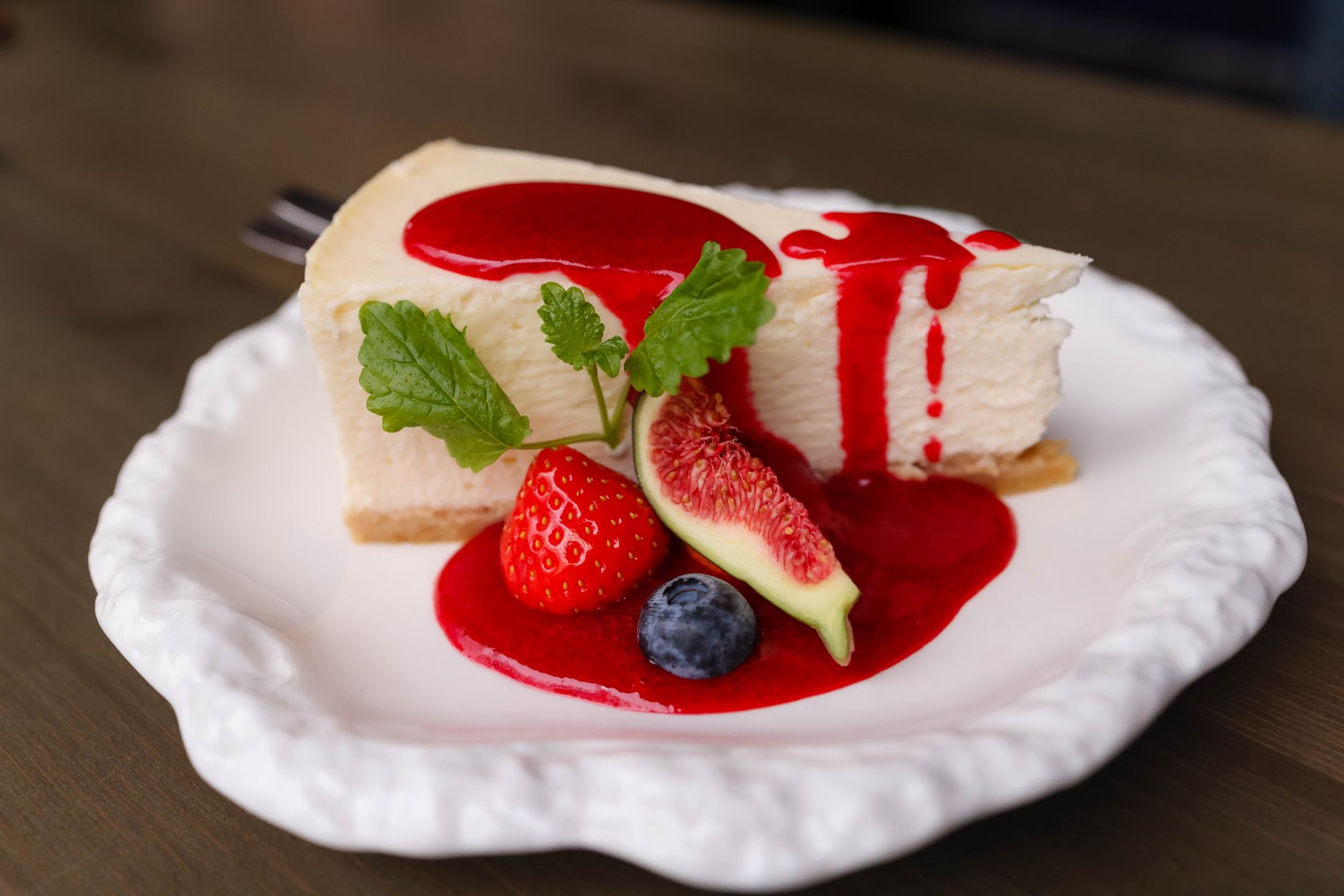
Cheesecake is a beloved dessert known for its rich, creamy texture and sweet flavor, making it a staple for many celebrations. However, if you find yourself with leftover cheesecake or simply want to prepare in advance, you may wonder, can cheesecake be frozen? The good news is that cheesecake can indeed be frozen, and doing so may preserve its delightful taste and texture if handled properly.
This article will provide you with comprehensive guidance on freezing cheesecake, covering how to do it safely, the best practices for thawing, storage tips, and troubleshooting common issues. Whether you are making plain cheesecake or a flavored variation, the following information will help you extend the life of this delicious dessert without sacrificing quality.
Can Cheesecake Be Frozen?
Yes, cheesecake can be frozen successfully. When frozen and stored correctly, it maintains its texture and flavor for several months. However, the freezing process can affect some cheesecakes differently based on their ingredients and consistency. Understanding how to freeze cheesecake properly will ensure that it remains enjoyable when you’re ready to indulge.
Types of Cheesecake and Their Freezability
Different types of cheesecake have varying ingredients and textures, which can impact how well they freeze. Here’s a breakdown of some common types:
- Classic Cheesecake: Smooth and creamy, this type typically freezes well and can be stored for long periods without significant texture changes.
- Baked Cheesecake: Since it is set in the oven, most baked cheesecakes freeze nicely. Make sure it’s completely cooled before freezing.
- No-Bake Cheesecake: These are more delicate and can separate or change texture, but with proper wrapping, they can still be frozen successfully.
- Flavored Variations: Cheesecakes that contain fruit or whipped cream may freeze differently. They can be frozen, but be aware that some elements might change in texture upon thawing.
- Crusts: The type of crust can also affect freezing. Graham cracker and cookie crusts generally hold up better than crusts made with fresh ingredients like fruit.
Freezing Cheesecake: A Step-by-Step Guide
Freezing cheesecake requires careful preparation to ensure it remains delicious after thawing. Follow these steps to freeze your cheesecake effectively:
- Cool Completely: Allow your cheesecake to cool at room temperature for at least an hour. If it has been baked, let it cool in the springform pan for about 30 minutes before transferring it to the refrigerator to chill completely.
- Wrap it Properly: Once the cheesecake is fully cooled, wrap it tightly in plastic wrap. Ensure there are no exposed areas, as air can lead to freezer burn. For an extra layer of protection, wrap it again with aluminum foil.
- Label the Package: Use a permanent marker or label maker to write the date on the foil or wrap. It’s also helpful to note the type of cheesecake to jog your memory when you’re ready to enjoy it again.
- Place in the Freezer: Carefully place the wrapped cheesecake in the coldest part of your freezer. Ideally, it should be kept in a level position to prevent any shifts that may affect its shape.
- Freezing Time: Cheesecake can be stored in the freezer for up to six months without significant loss of flavor or texture, but it’s best enjoyed sooner to ensure freshness.
Thawing Frozen Cheesecake
Thawing your cheesecake correctly is just as important as the freezing process to maintain its texture and flavor. Here’s how to do it:
- Transfer to the Refrigerator: The best way to thaw cheesecake is to move it from the freezer to the refrigerator. Allow it to thaw overnight or for at least 6 to 8 hours. This gradual thawing helps to retain moisture and minimize texture changes.
- Serve Cold: Once thawed, the cheesecake can be served cold. If desired, you can let it sit at room temperature for 10 to 15 minutes before serving to enhance its creaminess.
- Check for Quality: After thawing, visually inspect the cheesecake for any signs of discoloration or texture changes. If it looks good, cut a slice and enjoy!
Storage Tips for Cheesecake
If you don’t plan to freeze your cheesecake but want to store it for a short period, consider these storage tips:
- Refrigeration: Store cheesecake in the refrigerator for up to five days. Use an airtight container or cover it loosely with plastic wrap to minimize exposure to air.
- Proper Covering: If your cheesecake has toppings, be cautious about how you cover it. Ideally, store plain cheesecake and add toppings just before serving to prevent sogginess.
- Keep in a Stable Temperature: Avoid placing cheesecake in the door of the refrigerator, where temperatures fluctuate. Instead, store it in a central location for optimal freshness.
- Avoid Freezing Twice: If you’ve thawed cheesecake, do not refreeze it. Doing so can significantly affect its texture and flavor.
Common Mistakes When Freezing Cheesecake
Although freezing cheesecake can be straightforward, there are common pitfalls to be aware of:
- Not Cooling Properly: Freezing a cheesecake that is still warm can lead to moisture build-up, causing ice crystals to form and affecting texture.
- Improper Wrapping: Failing to wrap the cheesecake tightly can expose it to air, leading to freezer burn and off-flavors.
- Freezing Toppings: Avoid freezing cheesecakes with fresh fruit or certain toppings, as they can wilt or become mushy once thawed.
- Over-Freezing: While cheesecake can last up to six months, ultimately, the less time it spends in the freezer, the better. Try to consume it within three months for the best taste and texture.
Troubleshooting Freezing Issues
If you encounter any issues when freezing or thawing cheesecake, here are some troubleshooting tips:
- Cracking: If your cheesecake cracks during baking, it can still freeze well. When thawing, any cracks may be less noticeable when covered with a sauce or fresh topping.
- Watery Texture: If the cheesecake seems watery after thawing, it may have absorbed moisture during freezing. Serving it with a fruit topping can help mask the texture.
- Off-Flavors: If your cheesecake has taken on an off-flavor after freezing, ensure it was wrapped tightly and stored away from strong-smelling foods.
- Lasting Freshness: If you notice your cheesecake hasn’t maintained its taste after freezing, consider making smaller batches in the future that can be consumed fresh rather than frozen for lengthy periods.
Variations and Personalization
There are numerous ways to personalize frozen cheesecakes to suit your taste. Here are a few ideas:
- Swirl in Flavors: For added depth, consider swirling in fruit purees (like raspberry or blueberry) before freezing.
- Change the Crust: Try different crusts, using cookies, nuts, or graham crackers to create unique flavor profiles and textures.
- Experiment with Toppings: Top your cheesecake with fresh fruit, whipped cream, chocolate sauce, or caramel to enhance the presentation and flavor without freezing those elements.
- Make Mini Cheesecakes: Instead of freezing a whole cheesecake, you might opt to make mini cheesecakes in muffin tins and freeze them individually for convenient serving sizes.
Serving Suggestions for Thawed Cheesecake
Once you’ve successfully thawed your cheesecake and are ready to serve, consider these serving ideas:
- Garnish with Fresh Fruit: Fresh berries, slices of kiwi, or figs add color and brightness to the rich cheesecake.
- Offer Sauces on the Side: Consider a berry coulis, caramel sauce, or chocolate ganache to drizzle over slices to elevate the flavor.
- Pair with Whipped Cream: A dollop of freshly whipped cream can complement the creamy texture and balance the dessert’s sweetness.
- Presentation Matters: Use a cake stand or decorative plate to showcase your cheesecake, making it appealing for special occasions.
Final Thoughts
Freezing cheesecake opens up opportunities for enjoying this delightful dessert long after it has been made. When done correctly, freezing can preserve the cheesecake’s rich texture and delicious flavor. Always remember to follow proper freezing, thawing, and storage techniques to achieve the best results.
Now that you know how to freeze cheesecake, why not explore other equally delightful recipes or cooking tips? Consider checking out our guides on whether you can freeze cupcakes or try your hand at a delicious churro cheesecake recipe for a fun twist on tradition.