
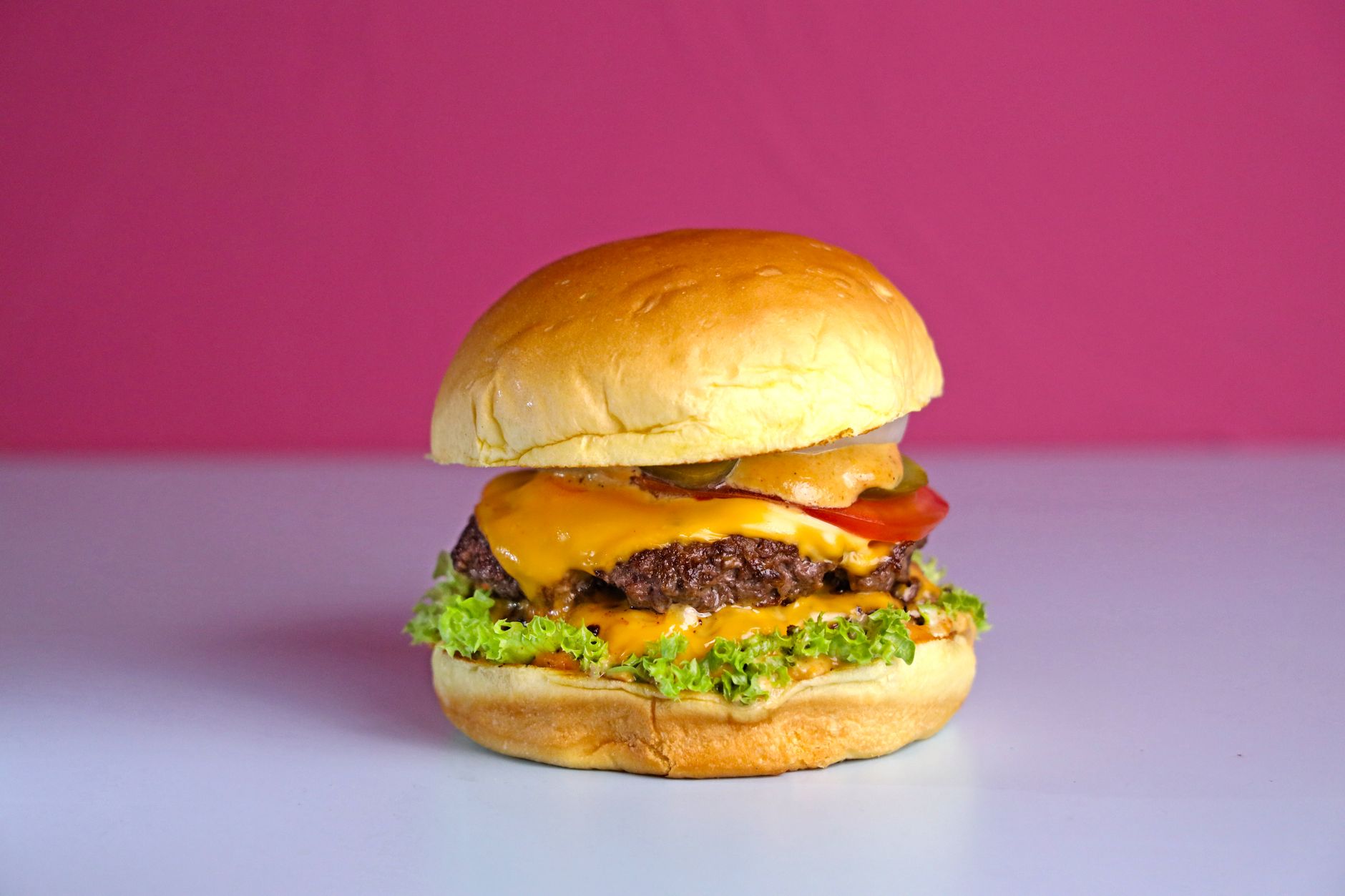
Burgers are a beloved staple in many cuisines, often enjoyed for their juicy flavor and satisfying texture. However, the question of whether burgers can be pink often arises, particularly concerning food safety standards and culinary preferences. Understanding the nuances behind pink burgers can help you enjoy them while ensuring your meals are safe and delicious.
This article delves into the details surrounding the pinkness of burgers, including what it means for safety, how to achieve the perfect cook, and some delightful serving ideas. Whether you’re a seasoned chef or a casual cook, knowing how to approach pink burgers is essential for a top-notch burger experience.
Can Burgers Be Pink?
Yes, burgers can be pink, but determining whether they are safe to eat depends on key factors such as the cooking temperature, the type of meat used, and the cooking method. While many enjoy burgers cooked to medium or medium-rare, following proper food safety guidelines is paramount.
Understanding Food Safety and Ground Beef
To understand why some burgers can be pink and still safe, it’s crucial to recognize how ground beef differs from whole cuts of meat. When meat is ground, bacteria present on the surface can be mixed throughout the meat. This means that the internal temperature needs to reach a certain level to ensure safety.
Recommended Cooking Temperatures
The USDA recommends cooking ground beef to an internal temperature of 160°F (71°C). At this temperature, the meat is considered safe to eat, killing any harmful bacteria that might be present.
| Doneness Level | Internal Temperature (°F) | Internal Temperature (°C) |
|---|---|---|
| Rare | 120-125°F | 49-52°C |
| Medium Rare | 130-135°F | 54-57°C |
| Medium | 140-145°F | 60-63°C |
| Medium Well | 150-155°F | 65-68°C |
| Well Done | 160°F and above | 71°C and above |
Why the Pink Color?
The pink color in a burger does not necessarily indicate that it is undercooked. Factors such as the meat’s pH level, the presence of certain seasonings, and the cooking method itself can contribute to the pink hue. Even if a burger has been cooked to the recommended temperature, it may still retain some pinkness, especially at the center.
Types of Meat and Cooking Methods
The type of meat used for a burger can significantly affect its color and doneness. Here, we’ll explore the differences between various meats and how different cooking methods impact the pinkness of burgers.
Beef Burgers
Ground beef is the most common type of burger. Using tougher cuts of beef that are less susceptible to bacterial contamination can allow for a pink center if cooked properly. With ground beef, as long as the burger reaches the USDA’s recommended internal temperature, you can enjoy a moist and pink burger.
Pork and Poultry Burgers
Unlike beef, pork and poultry must always be cooked thoroughly. The USDA recommends cooking ground pork and poultry to an internal temperature of 165°F (74°C) to ensure safety. These meats must not have any pinkness remaining, as it indicates potential undercooking.
Game and Exotic Meats
Game meats, such as venison or bison, may be served pink as well. However, it is essential to understand their handling and cooking requirements. Much like beef, if ground game meat reaches the appropriate internal temperature, it is generally safe to consume even if there is a hint of pink.
Cooking Techniques for Pink Burgers
Achieving a pink burger, especially one done to your liking, involves mastering certain cooking techniques. Here are some effective methods to cook burgers while keeping them juicy and flavorful.
Grilling
Grilling is perhaps the most popular way to cook burgers, as it imparts a delicious smoky flavor. For burgers to be juicy yet adequately cooked, follow these guidelines:
- Preheat the grill to medium-high heat (approximately 400°F or 200°C).
- Form your patties to about 3/4 inch thick for even cooking.
- Make a thumbprint in the center of each patty to prevent puffing.
- Place burgers on the grill and cook for 3-4 minutes on one side.
- Flip burgers and cook for another 3-4 minutes, checking the internal temperature.
Pan-Seared Burgers
Cooking burgers on a stovetop is another effective method, providing greater control over cooking temperatures. To pan-sear burgers:
- Heat a skillet over medium-high heat and add a little oil.
- Season your patties before placing them in the hot skillet.
- Cook for 4-5 minutes on one side before flipping.
- Cook for another 4-5 minutes while checking the internal temperature.
Oven Cooking
Oven-cooking is an excellent way for busy cooks to prepare burgers without needing to watch the grill. Here’s how:
- Preheat the oven to 400°F (200°C).
- Place patties on a baking sheet lined with foil or parchment paper.
- Bake for about 20 minutes, flipping halfway through. Use a meat thermometer for accuracy.
Common Mistakes and Troubleshooting
When cooking pink burgers, there are several common mistakes to avoid. Here are some tips to help perfect your burger:
- Not using a meat thermometer: Always check the internal temperature to ensure your burger is safely cooked.
- Over-handling the meat: Excessive handling can lead to dense burgers; form patties gently.
- Using too high heat: Cooking on high heat can create a burned exterior while keeping the inside undercooked.
- Ignoring carryover cooking: Remember that burgers will continue to cook slightly after being removed from heat.
Delicious Serving Ideas for Pink Burgers
Once you’ve perfected your pink burger, consider a few exciting serving ideas to elevate your meal experience.
Toppings and Condiments
The right toppings significantly enhance the flavor of your burger. Consider these options:
- Classic Options: Lettuce, tomato, onion, pickles, and cheese.
- Gourmet Adds: Avocado, sautéed mushrooms, caramelized onions, or specialty cheeses like blue or brie.
- Spicy Twist: Jalapeños, hot sauce, or sriracha can provide the kick some enjoy.
Bun Choices
The type of bun can also make a significant difference in your burger experience. Options to consider include:
- Traditional sesame seed bun.
- Brioche for a richer flavor and texture.
- Whole grain for a nutty taste.
- Lettuce wraps for a low-carb version.
Side Dishes
A burger meal can be rounded out with delicious sides. Popular choices include:
- French fries or sweet potato fries.
- Coleslaw for a refreshing crunch.
- Onion rings for extra indulgence.
- Salads for something lighter.
Make-Ahead Guidance
For those who enjoy meal prep, homemade burgers can be prepared in advance. Here’s how to efficiently make burger patties for later use:
- Prepare the patties as usual and season them.
- Layer them between parchment paper to prevent sticking.
- Store in an airtight container in the freezer for up to three months.
- Thaw in the refrigerator when ready to cook, then cook according to your preferred method.
Storage and Reheating Pink Burgers
Storing leftover cooked burgers can extend their life if handled properly. Here’s how:
- Allow cooked burgers to cool completely at room temperature.
- Store in an airtight container in the fridge for up to four days, or freeze for up to three months.
- To reheat, ensure they reach an internal temperature of 165°F (74°C) whether using an oven, skillet, or microwave.
In summary, burgers can indeed be pink, but a safe approach requires understanding how to cook them properly, with attention to the internal temperature based on meat type. Mastering these skills leads to juicy and delicious burgers that many enjoy. With the right toppings and side dishes, your burger meal can be a delightful experience.
For more delicious recipes, consider exploring our hamburger steak recipe or try the flavor-packed crack burger recipe. Enjoy cooking and experimenting with your perfect burger!