
There’s something magical about a perfectly flaky pie crust that can elevate any dessert from good to unforgettable. This Buttermilk Pie Crust is a family favorite, cherished for its tender texture and subtly tangy flavor. Its versatility shines in both sweet and savory pies, making it a must-have in your recipe arsenal. With just a handful of ingredients and a few simple steps, you’ll be well on your way to impressing friends and family with your baking prowess.
Why You’ll Love This Recipe
This pie crust is a game changer for any pie lover. It’s the ideal balance of flavor and texture.
- Deliciously flaky with a hint of tang from buttermilk.
- Easy to roll out and handle.
- Perfect for both sweet and savory pies.
- Can be made ahead and stored for convenience.
- Uses common pantry ingredients.
My Experience Making This Recipe
When I first tried this Buttermilk Pie Crust, I was amazed at how simple it was. The dough came together quickly, and the smell of the butter melting was just heavenly.
After baking, the crust turned beautifully golden and flaky, which made my pie filling shine. Friends who tried the pie were raving about the crust, which made all the effort totally worth it!
Recipe Overview
- Recipe Name: Buttermilk Pie Crust
- Servings: 8
- Prep Time: 15 minutes
- Cook Time: 30 minutes
- Total Time: 45 minutes
- Course: Dessert
- Cuisine: American
- Calories per Serving: 150
Equipment You Will Need
- Mixing bowl
- Measuring cups and spoons
- Pastry cutter or fork
- Rolling pin
- Pie dish
- Plastic wrap
Ingredients for Buttermilk Pie Crust
- 2 ½ cups all-purpose flour
- 1 teaspoon salt
- 1 teaspoon sugar
- 1 cup unsalted butter, cold and cubed
- ½ cup buttermilk, cold
Ingredient Notes and Substitutions
- All-purpose flour: This provides structure. You can use whole wheat flour for a nuttier flavor.
- Unsalted butter: It adds richness. If you prefer, you can substitute with a vegan butter alternative.
- Buttermilk: It gives a nice tang and tenderness. If you don’t have buttermilk, mix milk with a splash of vinegar as a substitute.
How to Make Buttermilk Pie Crust
Step 1: Combine Dry Ingredients
In a large mixing bowl, whisk together the flour, salt, and sugar. This step ensures that the dry ingredients are evenly distributed, which helps prevent any salty or sweet pockets in your crust.
Step 2: Cut in the Butter
Add the cold, cubed butter to the flour mixture. Use a pastry cutter or fork to mix until the mixture resembles coarse crumbs, with some pea-sized pieces of butter remaining for flakiness.
Step 3: Add the Buttermilk
Pour in the cold buttermilk gradually. Mix gently with a fork until the dough starts to come together, being careful not to overwork it.
Step 4: Form the Dough
Transfer the dough onto a lightly floured surface. Gather it into a ball, then flatten it into a disk about one inch thick for easier rolling later.
Step 5: Chill the Dough
Wrap the disk in plastic wrap and refrigerate for at least 30 minutes. Chilling the dough helps prevent shrinkage during baking and enhances the flakiness.
Step 6: Roll Out the Dough
Once chilled, remove the dough from the fridge. On a floured surface, roll it out into a circle about 12 inches in diameter, ensuring an even thickness throughout.
Step 7: Transfer to Pie Dish
Carefully transfer the rolled-out dough to your pie dish. Trim the edges and crimp them or leave them as is, depending on your preference.
Step 8: Pre-bake the Crust (Optional)
For a crispier crust, pre-bake it at 375°F for 10-15 minutes. This step is particularly useful for custard pies or when using a wet filling.
Pro Tip: Always keep your butter and buttermilk cold to ensure a flaky texture.
Tips for the Best Buttermilk Pie Crust
- Use high-quality butter for the best flavor.
- Don’t overwork the dough; mix just until combined.
- Let the dough rest in the fridge to relax the gluten.
- Roll out the dough evenly to avoid uneven baking.
- Use a glass dish for a quick check on the crust’s browning.
Common Mistakes to Avoid
- Skipping the chilling step; this can lead to tough dough.
- Overmixing the dough; it can cause a dense crust.
- Not using enough flour when rolling out; this can make the dough stick.
- Using warm ingredients; warm butter will melt and ruin the flakiness.
Serving Suggestions
This Buttermilk Pie Crust pairs beautifully with a variety of fillings. Here are some tasty ideas:
- Classic apple pie
- Rich chocolate cream pie
- Fresh berry tart
- Quiche with seasonal vegetables
- Custard or lemon meringue pie
Variations to Try
- Add a teaspoon of cinnamon for a warm spice note.
- Incorporate herbs like rosemary for a savory twist.
- Use almond flour for a gluten-free option, adjusting the liquid as needed.
- Add a splash of vanilla extract for a touch of sweetness.
Dietary Adaptations
- Gluten-free: Use a gluten-free all-purpose flour blend.
- Dairy-free: Substitute with a plant-based butter and non-dairy milk.
- Vegan: Use vegan butter and a plant-based milk with vinegar.
- Low-carb/keto: Try almond flour or coconut flour for a low-carb option.
Storage and Reheating
Refrigerator
Store any leftover dough wrapped tightly in plastic wrap. It can last up to 3 days in the fridge.
Freezer
For longer storage, freeze the wrapped dough for up to 3 months. Just thaw in the refrigerator before using.
Reheating
If you pre-baked your crust, reheat in a 350°F oven for about 10 minutes to restore crispness.
Nutrition Information
| Nutrient | Amount |
|---|---|
| Calories | 150 |
| Total Fat | 10g |
| Saturated Fat | 6g |
| Carbohydrates | 15g |
| Fiber | 0g |
| Sugar | 0g |
| Protein | 2g |
| Sodium | 150mg |
| Cholesterol | 30mg |
This information is an estimate and can vary based on specific ingredients used.
Frequently Asked Questions
Can I make this crust ahead of time?
Yes, you can prepare the dough and store it in the refrigerator for up to 3 days or freeze it for up to 3 months.
What if I don’t have buttermilk?
You can substitute buttermilk with regular milk mixed with a teaspoon of vinegar or lemon juice.
Can I use whole wheat flour instead of all-purpose?
Absolutely! Whole wheat flour will give a nuttier flavor but may require a bit more liquid.
Why does my crust shrink during baking?
This usually happens if the dough was not chilled properly. Always refrigerate to relax the gluten.
How do I keep my crust from burning?
You can cover the edges with foil during the last few minutes of baking if they start to brown too quickly.
Final Thoughts
This Buttermilk Pie Crust is a delightful addition to your baking repertoire. Whether you fill it with fruits, custards, or savory fillings, it’s sure to impress.
So roll up your sleeves and give it a try; you may never buy store-bought crust again! For more delicious recipes, check out Butterfinger Cake Recipe and Betty Crocker Pie Crust Recipe.
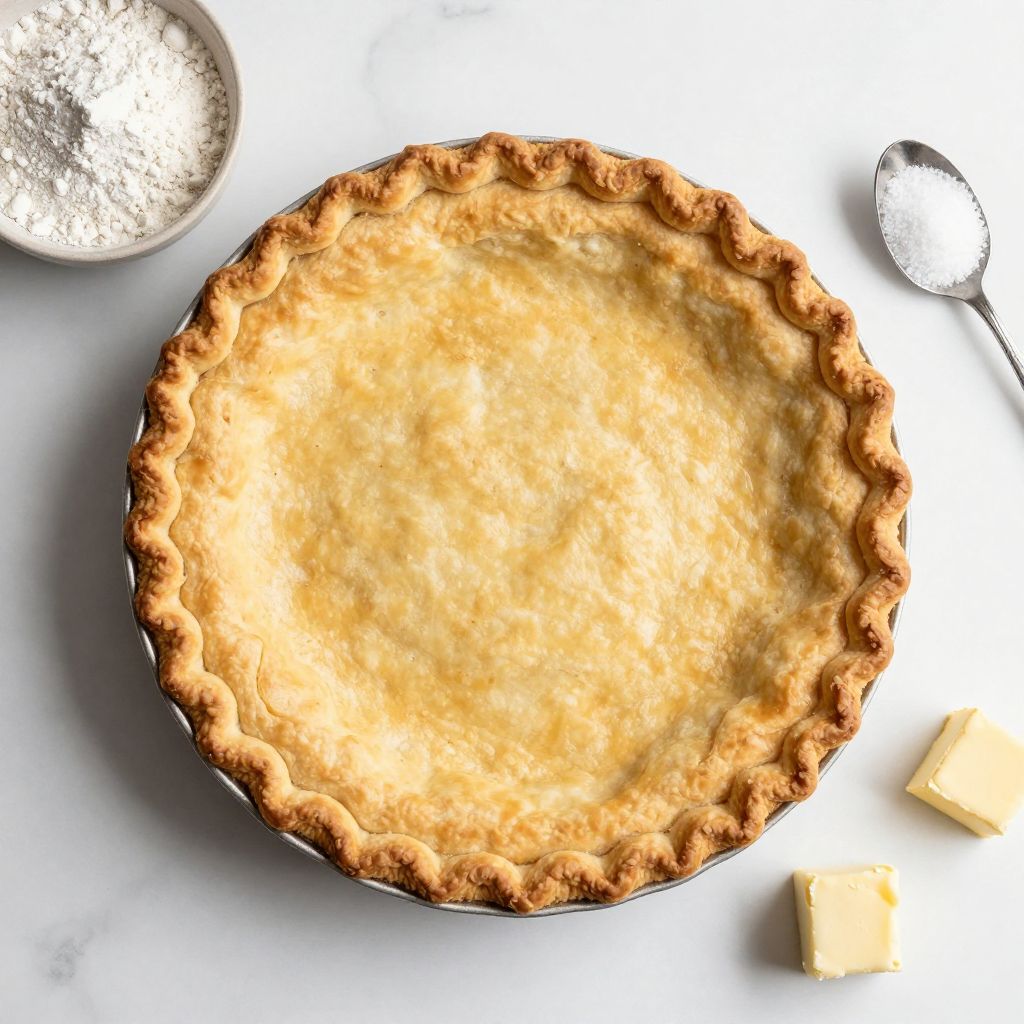
Buttermilk Pie Crust
Ingredients
Equipment
Method
- In a large mixing bowl, whisk together the flour, salt, and sugar.
- Add the cold, cubed butter to the flour mixture and mix until it resembles coarse crumbs.
- Gradually add the cold buttermilk and mix gently with a fork until the dough comes together.
- Transfer the dough onto a lightly floured surface, gather it into a ball, and flatten into a disk.
- Wrap the disk in plastic wrap and refrigerate for at least 30 minutes.
- Once chilled, roll the dough out into a circle about 12 inches in diameter.
- Transfer the rolled-out dough to your pie dish, trim the edges, and crimp if desired.
- Optional: Pre-bake the crust at 375°F for 10-15 minutes for a crispier finish.