
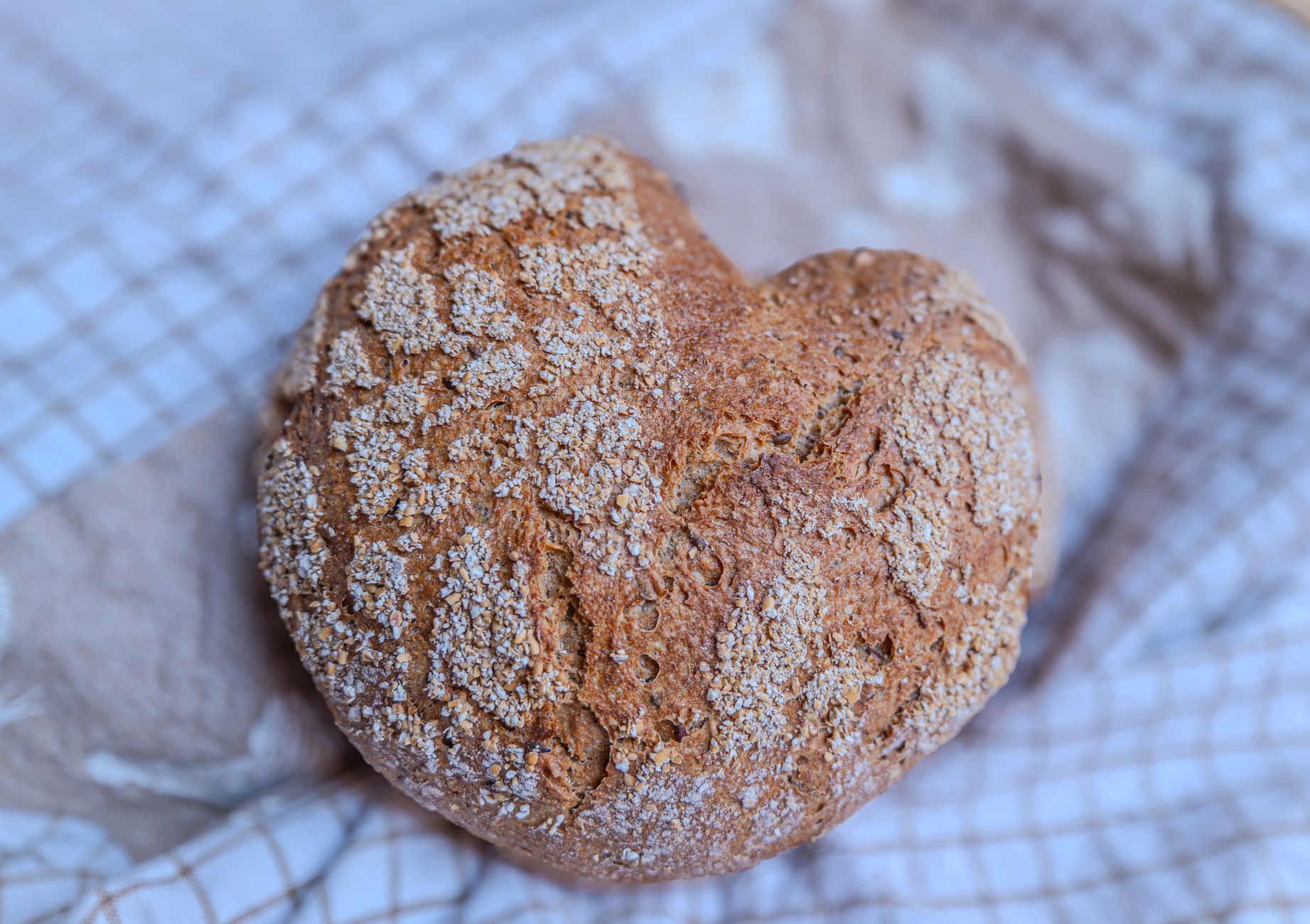
Brown bread, often touted for its rich flavor and health benefits, can be a staple in many households. This article is designed to explore the various facets of brown bread, including its nutritional value, different types, possible uses, and creative serving ideas. By understanding how to incorporate brown bread into your meals, you can enjoy its unique texture and flavor while reaping its numerous benefits.
Brown bread typically contains whole grain flours, most commonly wheat, which retains more nutrients during processing compared to white bread. Making it can be a fulfilling kitchen project, and buying it doesn’t have to put a dent in your wallet. Whether you’re preparing a sandwich, making toast, or using it in recipes, brown bread offers versatility and taste.
What is Brown Bread?
Brown bread is made from whole grain flour, primarily wheat, which retains the bran and germ of the grain. Unlike white bread, which is made from refined flour, brown bread is denser, richer in flavor, and contains more fiber. The different types of brown bread include whole wheat, rye, oat, and multigrain, each offering unique taste profiles and nutritional benefits.
Nutritional Benefits of Brown Bread
Brown bread is a healthier alternative to white bread, offering several nutritional advantages. Here are some key benefits:
- Higher Fiber Content: The bran in whole grain flour contributes to a higher fiber content, aiding digestion and promoting satiety.
- More Vitamins and Minerals: Brown bread retains essential nutrients such as B vitamins, iron, magnesium, and antioxidants that are stripped from white bread.
- Lower Glycemic Index: Brown bread has a lower glycemic index than white bread, which means it leads to a slower release of sugars into the bloodstream.
- Heart Health: Consuming whole grains is associated with improved heart health, including reduced cholesterol levels and better blood pressure control.
Types of Brown Bread
There are several types of brown bread available, each varying in texture, flavor, and nutrients:
- Whole Wheat Bread: Made from whole grains of wheat, this bread has a hearty flavor and can be found in various forms, including sandwich bread.
- Rye Bread: Made primarily with rye flour, this bread has a denser texture and a distinct flavor, which varies depending on the ratio of rye to wheat.
- Oat Bread: Using oatmeal or oat flour, this bread is soft and slightly sweet, perfect for breakfast or snacks.
- Multigrain Bread: This bread contains a mix of different grains, offering a complex flavor and a range of nutrients.
How to Make Brown Bread
Making brown bread in your kitchen can be a rewarding experience. Below is a basic recipe for whole wheat brown bread:
Ingredients
- 3 ¼ cups whole wheat flour
- 1 ½ cups warm water (110°F to 115°F)
- 2 tablespoons sugar or honey
- 2 tablespoons olive oil or melted butter
- 1 packet (2 ¼ teaspoons) active dry yeast
- 1 teaspoon salt
Essential Equipment
- Mixing bowl
- Loaf pan (9×5 inches)
- Cooking spray or parchment paper
- Measuring cups and spoons
- Dough scraper or spatula
- Kitchen towel
Method
- In a mixing bowl, combine warm water, sugar, and yeast. Let it sit for about 5-10 minutes until foamy.
- Once activated, add olive oil and salt. Gradually mix in the whole wheat flour, one cup at a time, until a dough forms.
- Transfer the dough to a floured surface and knead for about 10 minutes until smooth and elastic.
- Place the kneaded dough into a greased bowl and cover it with a kitchen towel. Let it rise in a warm place until it doubles in size, about 1 to 1.5 hours.
- Once risen, punch down the dough and shape it into a loaf. Place it in a greased loaf pan and cover it with the towel again. Allow it to rise for another hour.
- Preheat your oven to 350°F (175°C). Bake the bread for 30-35 minutes until golden brown and sounds hollow when tapped.
- Remove from the oven and let it cool in the pan for 10 minutes, then turn it out onto a wire rack to cool completely before slicing.
Common Brown Bread Mistakes and Troubleshooting
Here are some common mistakes when making brown bread and how to troubleshoot them:
- Dense Bread: If your bread comes out too dense, it may be due to insufficient kneading or rising time. Ensure you knead the dough until it is elastic and let it double in size as directed.
- Dry Bread: If your bread is dry, it could be due to over-baking or not enough liquid in the dough. Keep a close eye on your bread while it bakes and check with a toothpick or thermometer.
- Uneven Rising: If your dough does not rise evenly, make sure the yeast is fresh and that you’re using warm water, as extreme temperatures can kill the yeast.
Practical Uses for Brown Bread
Brown bread’s versatility allows it to be used in various meals and preparations, such as:
- Sandwiches: Whole grain breads are excellent for sandwiches. Pair with lean meats, veggies, or spreads for a wholesome meal.
- Toast: Brown bread makes a delicious base for breakfast or snacks. Top with avocado, nut butter, or your favorite spreads.
- Croutons: Transform stale brown bread into croutons for salads or soups. Cube the bread, toss with oil and seasonings, and bake until crispy.
- Breadcrumbs: Brown bread can be processed into breadcrumbs. Use it as a coating for proteins or a filler for dishes like meatballs.
- Stuffing: Use cubed brown bread in stuffing recipes for a hearty addition to any holiday meal.
Serving Ideas and Pairings
Enhancing brown bread with different toppings or by pairing it with complementary foods can elevate your meals. Here are some serving ideas:
Breakfast Pairings
- Whole grain toast topped with smashed avocado, poached egg, and a sprinkle of chili flakes.
- Peanut butter and banana on toasted or fresh brown bread for a nutritious breakfast.
Lunch Combos
- Turkey and Swiss on whole wheat with lettuce and tomato.
- Hummus and roasted vegetables on toasted brown bread for a vegetarian option.
Dinner Suggestions
- Serve warm brown bread alongside hearty soups or stews.
- Use bread as a base for bruschetta topped with fresh tomatoes, basil, and olive oil.
Storage Tips for Brown Bread
To maintain the freshness of homemade or store-bought brown bread, here are a few storage tips:
- Room Temperature: Store the bread in a cool, dry place, sealed in a plastic or cloth bag to retain moisture.
- Refrigeration: While refrigeration can prolong shelf life, it may dry out the bread. It is generally better to keep it at room temperature.
- Freezing: For longer storage, freeze slices of brown bread wrapped individually in plastic wrap or foil, then placed in an airtight container. When ready to use, defrost the slices as needed.
Brown Bread in Various Cuisines
Brown bread is not only popular in Western cuisines but is also a staple in many other cultures worldwide:
- German Rye Bread: Dense and flavorful, this bread is often enjoyed with meats and cheeses or as part of a hearty breakfast.
- Indian Roti: Whole wheat roti is a traditional flatbread made from whole wheat flour, significant in Indian cuisine for accompanying meals.
- Middle Eastern Pita: Often made from whole wheat flour, pita is a versatile bread that can serve as a pocket for fillings.
Healthy Variations and Substitutions
Experimenting with different grains or adding seeds can enhance the nutritional profile while keeping the flavor exciting:
- Gluten-Free Alternatives: Use gluten-free flour blends to make brown bread suitable for those with gluten intolerance.
- Adding Seeds: Incorporate flaxseed, chia seeds, or sunflower seeds for added nutrition and texture.
- Herbs and Spices: Mix in dried herbs or spices into the dough to customize flavors, and experiment with flavors like rosemary or garlic.
Brown bread is more than just a healthier alternative; it’s a versatile ingredient that can enhance meals in numerous ways. By understanding the different types, nutritional benefits, and practical uses of brown bread, you can incorporate it into your diet effectively. Whether you’re baking at home or exploring new recipes, brown bread offers endless possibilities.
Explore related recipes, cooking tips, or food guides such as Einkorn Bread Recipe and Sourdough Discard Bagel Recipe to further your culinary journey.