
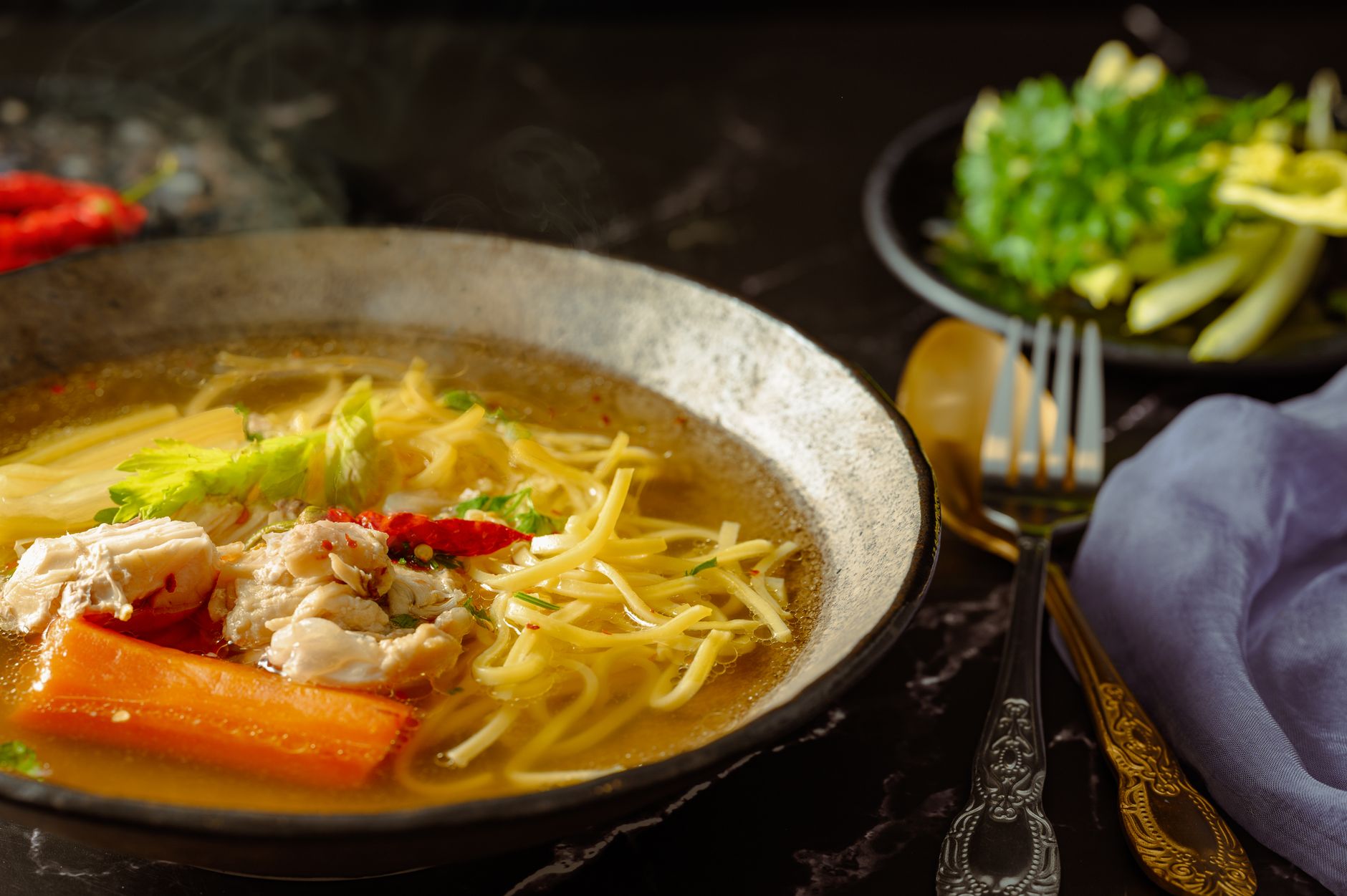
When you’re feeling under the weather, a warm bowl of soup can be the ultimate comfort food. Not only does it provide hydration and nourishment, but the warmth and steam can also offer relief for congestion and sore throats. But what is the best soup to enjoy when sick? This guide will explore various comforting soup options, including recipes, benefits, and tips to make the perfect batch.
From classic chicken noodle to soothing vegetable broths, the right soup can be a game changer during your recovery. Let’s delve into the characteristics of soothing soups, ingredients that can help boost your immune system, and some simple recipes to get you started.
What is the Best Soup When Sick?
The best soup when sick typically includes nutritious ingredients that are easy to digest and help soothe symptoms. Chicken noodle soup is often recommended due to its comforting properties, but vegetable broths or a hearty miso soup can also be excellent choices. The key is to choose soups that are warm, rich in vitamins, and generally serve as both nourishment and hydration.
The Benefits of Soup When Sick
Soup comes with a multitude of benefits, particularly when you’re feeling unwell. Some of the most notable advantages include:
- Hydration: Soups are primarily water-based, which can help keep you hydrated, especially when you’re not feeling up to drinking plenty of fluids.
- Nourishment: Well-prepared soups can be packed with nutrients and vitamins, helping your body to recover.
- Warmth and Comfort: The heat from soup can provide immediate relief for sore throats and congestion, making it feel comforting.
- Easy to Digest: Soups are typically easy on the stomach, making them a preferred option for those dealing with nausea or loss of appetite.
Key Ingredients in Nourishing Soups
When preparing a soup for sickness, there are several key ingredients that can enhance the healing properties of your dish:
- Chicken: Offers protein, which is essential for recovery. Chicken also contains amino acids that may help reduce inflammation.
- Broth: A base made from bone or vegetable broth provides a wealth of nutrients and can serve as a great source of hydration.
- Garlic: Known for its immune-boosting properties, adding garlic can provide a flavor kick and enhance the health benefits of your soup.
- Vegetables: Carrots, celery, and leafy greens can add essential vitamins and minerals to your soup.
- Herbs: Fresh herbs like parsley, dill, or cilantro can enhance the flavor and may help with inflammation.
- Spices: Turmeric and ginger can add warmth and have anti-inflammatory properties that can aid in recovery.
Classic Chicken Noodle Soup Recipe
This comforting soup is often the go-to when people feel sick. It’s hearty, flavorful, and packed with nutrients.
Yield: 6 servings
Preparation Time: 15 minutes
Cooking Time: 30 minutes
Total Time: 45 minutes
Ingredients
- 1 tablespoon olive oil
- 1 medium onion, diced
- 2 garlic cloves, minced
- 3 medium carrots, sliced
- 2 celery stalks, sliced
- 1 teaspoon dried thyme
- 1 teaspoon dried parsley
- 6 cups chicken broth (homemade or store-bought)
- 2 cups cooked chicken, shredded
- 1 cup egg noodles
- Salt and pepper, to taste
Essential Equipment
- Lg. stockpot or Dutch oven
- Cutting board
- Chef’s knife
- Measuring cups and spoons
- Stirring spoon
Instructions
- Heat olive oil in a large stockpot over medium heat. Add the diced onion and cook until translucent, about 5 minutes.
- Add minced garlic, sliced carrots, and celery. Cook for another 3-4 minutes until the vegetables start to soften.
- Stir in dried thyme and parsley, mixing well.
- Pour in the chicken broth and bring to a gentle boil. Reduce the heat to a simmer.
- Once boiling, add the cooked chicken and egg noodles. Cook until noodles are tender, about 8-10 minutes.
- Season with salt and pepper to taste. Serve warm.
Vegetable Soup for Immune Support
Vegetable soup is another excellent option, especially for those looking for a lighter, plant-based choice. Packed with vitamins from a variety of vegetables, this soup can provide a hearty yet refreshing meal.
Ingredients
- 2 tablespoons olive oil
- 1 medium onion, chopped
- 3 cloves garlic, minced
- 4 cups mixed vegetables (such as zucchini, green beans, spinach, and bell peppers)
- 1 can (14.5 ounces) diced tomatoes
- 4 cups vegetable broth
- 1 teaspoon dried basil
- 1 teaspoon dried oregano
- Salt and pepper, to taste
Instructions
- In a large pot, heat the olive oil over medium heat. Add the chopped onion and sauté until softened, about 5 minutes.
- Stir in the minced garlic and cook for another minute.
- Add the mixed vegetables and cook for 5-7 minutes, stirring occasionally.
- Mix in the diced tomatoes (with their juice) and vegetable broth.
- Season with dried basil, oregano, salt, and pepper. Bring to a simmer.
- Cover and let cook for about 15-20 minutes until the vegetables are tender.
- Adjust seasoning as needed and serve hot.
Miso Soup: A Japanese Healing Classic
Miso soup is nutritious and quick to prepare. Miso is fermented soy product that is rich in probiotics, making it great for gut health. Here’s a simple recipe that offers warmth and comfort.
Ingredients
- 4 cups water
- 1/4 cup miso paste
- 1/2 cup cubed tofu
- 1 cup seaweed (wakame, rehydrated in water)
- 1/4 cup green onions, chopped
Instructions
- In a pot, bring water to a gentle boil. Lower heat to simmer.
- Dissolve the miso paste in a small bowl with a couple of tablespoons of hot water, stirring until smooth. Add to the pot.
- Add tofu and rehydrated seaweed to the pot. Cook gently for another 5 minutes, without boiling.
- Adjust seasoning and add chopped green onions just before serving. Enjoy warm.
Common Mistakes to Avoid
When making soup, it’s easy to overlook certain details that can impact the flavor or texture:
- Overcooking Vegetables: Add delicate vegetables, like spinach or peas, towards the end of cooking to prevent them from becoming mushy.
- Not Seasoning Properly: Don’t forget to taste and adjust the seasoning as necessary; even a pinch of salt can enhance the flavors.
- Using Water Instead of Broth: Water lacks flavor, whereas broth enhances your soup significantly, so always opt for broth when possible.
- Rushing the Cooking Process: Allowing time for the flavors to develop is crucial, particularly for hearty soups.
Storage and Reheating Tips
Store any leftover soup in an airtight container in the refrigerator for up to three days. To reheat, warm it gently on the stove over low heat, stirring occasionally to prevent sticking. If the soup has thickened too much, add a little water or broth to return it to the desired consistency.
Variations and Substitutions
Soup is highly customizable, which allows you to adapt it to your taste and dietary preferences. Here are some substitutions and variations:
- Broth: You can substitute chicken broth with vegetable broth or bone broth for different flavor profiles.
- Proteins: For vegetarian options, replace chicken with chickpeas or lentils. Tofu is also an excellent protein source.
- Vegetables: Feel free to swap in whatever vegetables you have on hand, such as sweet potatoes, squash, or peas.
- Grains: Instead of noodles, you can use brown rice or quinoa to make the soup heartier and more filling.
Final Thoughts
Choosing the best soup when sick boils down to personal preferences and nutritional needs. Both classic and vegetable-based soups can offer comfort and nourishment that your body needs to recover. When you’re feeling under the weather, consider whipping up a warm bowl of one of the soups mentioned above. With a few basic ingredients and techniques, you can create a delicious, hearty dish that may make those sick days a little more bearable.
For more comforting soups, such as a busy day soup or a unique penicillin soup, be sure to explore related recipes and tips to help you on your journey in the kitchen. Enjoy your cooking!