
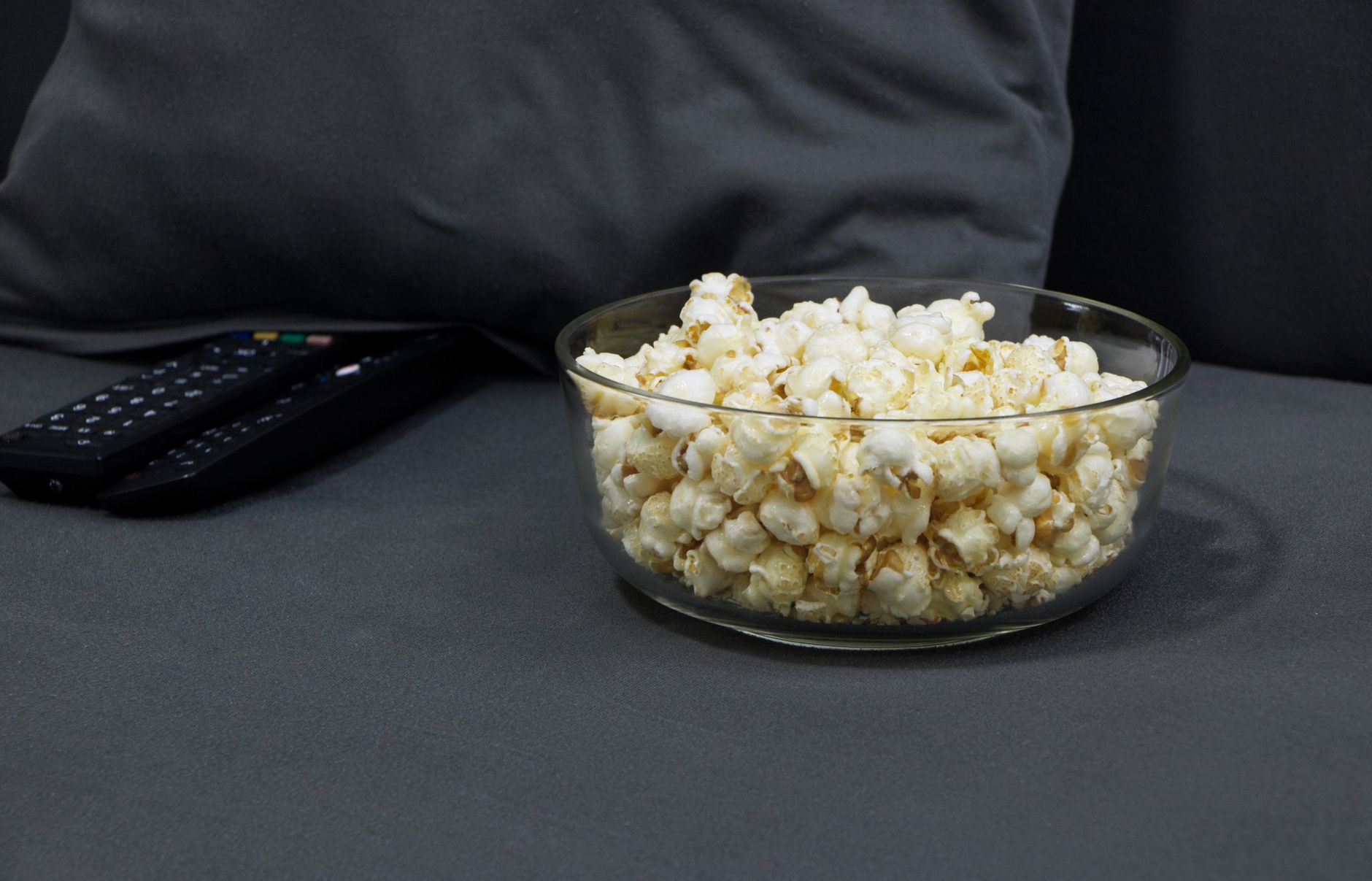
Popcorn is a popular snack enjoyed by many due to its light, airy texture and satisfying crunch. However, parents often wonder when it’s safe for their children to enjoy this beloved treat. Understanding the right age for kids to consume popcorn, along with its nutritional benefits and potential risks, is essential for making informed choices.
This article will explore the appropriate age for introducing popcorn to children, its uses as a snack, nutritional considerations, and how to safely serve it to kids. Whether you are planning a family movie night or looking for a healthy snack option, this guide will provide all the necessary information.
At What Age Can Kids Have Popcorn?
Parents are generally advised to introduce popcorn to children around the age of four. At this age, most children have developed the necessary chewing skills and have a reduced risk of choking. It’s important, however, to supervise young children while they eat popcorn and to take certain precautions to ensure their safety.
Understanding Popcorn
Popcorn is a whole grain snack made from the seeds of popcorn kernels. When heated, the moisture inside the kernel turns to steam, creating pressure until it bursts open, fluffing up into the familiar popped shape. This snack can be seasoned in various ways, making it versatile for different tastes and occasions. It can be served sweet, salty, or flavored with spices, making it ideal for both kids and adults.
Nutritional Benefits of Popcorn
- High in fiber: Popcorn is naturally high in dietary fiber, promoting digestive health and providing a feeling of fullness.
- Low in calories: When air-popped and served without excessive butter or oil, popcorn can be a low-calorie snack option.
- Whole grain: As a whole grain, popcorn provides essential nutrients like vitamins, minerals, and antioxidants.
Why Introduce Popcorn at Age Four?
Introducing popcorn to children before the age of four may pose a choking hazard. Young children have smaller airways and may not chew food thoroughly, which increases the risk of choking on larger pieces of popcorn. By the age of four, most children can better manage different textures and are less likely to experience choking incidents.
Considerations for Serving Popcorn to Kids
While popcorn is a nutritious snack, there are some factors parents should keep in mind when serving it to children:
Type of Popcorn
- Plain air-popped popcorn: The healthiest option, free from added fats and high salt content.
- Microwave popcorn: Often contains added flavors, preservatives, and unhealthy fats; choose natural varieties whenever possible.
- Flavored varieties: Be cautious with excessive butter, cheese, or caramel seasonings as they can add calories and unhealthy fats.
Portion Control
Even when popcorn is a healthy option, portion control is important. A serving size for children is about two to three cups of popped popcorn. Limit their intake to encourage balanced snacking and prevent overindulgence.
Supervision While Eating
Always supervise young children while they are eating popcorn. Encourage them to chew slowly and thoroughly. If a child is particularly young or small, it may be best to break popcorn into smaller pieces or offer alternatives that carry less risk.
Creative Ways to Serve Popcorn
Popcorn can be a fun and engaging snack that children enjoy. Here are some creative ideas for serving popcorn:
Popcorn Snack Mix
Combine popcorn with a variety of other snacks to create a delicious snack mix. Consider adding:
- Unsweetened cereal
- Dried fruit (like cranberries or raisins)
- Mini pretzels
- Dark chocolate chips
Popcorn with Spice
Introduce different flavors by sprinkling various spices on plain popcorn. Some options include:
- Cinnamon and a touch of sugar for a sweet treat
- Garlic powder and olive oil for savory popcorn
- Cheddar cheese powder for a cheesy flavor
Sweet Popcorn Treats
For special occasions, consider making sweet popcorn treats such as:
- Chocolate-covered popcorn
- Caramel popcorn (ensure small pieces for younger children)
- Popcorn balls shaped into fun forms and decorated
Common Misconceptions About Popcorn
Several myths might lead parents to question whether popcorn is a suitable snack for kids. Understanding these misconceptions can help clarify attitudes toward this beloved food.
Misconception: Popcorn is Unhealthy
Many believe popcorn is an unhealthy snack. In reality, when prepared healthily, it can be a nutritious choice. Avoid excessive toppings, and it can serve as an excellent low-calorie snack.
Misconception: All Types of Popcorn are the Same
Not all popcorn is created equal. The method of preparation (air-popped vs. oil-popped) and the added ingredients dramatically affect its healthiness. Opt for air-popped varieties when possible to maximize nutritional benefits.
Potential Risks of Popcorn for Children
Though popcorn offers health benefits, there are risks associated with its consumption, especially for young children:
Choking Hazard
As previously mentioned, popcorn can pose a choking risk. Young children may not chew popcorn thoroughly, making larger pieces dangerous. Always supervise kids and consider finely crushing pieces for younger children.
Allergies and Sensitivities
While popcorn itself is rarely allergenic, other ingredients used (such as certain flavorings or additives) might affect sensitive individuals. Always read ingredients carefully and consult with a pediatrician if you have concerns about allergies.
Dental Health
Sticky popcorn, particularly caramel varieties, can adhere to teeth and increase the risk of cavities. Choose healthier options and encourage children to maintain good dental hygiene after snacks that might affect their teeth.
Practical Tips for Parents
As you introduce popcorn to your child’s diet, keep these practical tips in mind:
- Choose plain popcorn: Opt for plain or lightly salted varieties to minimize unhealthy additives.
- Monitor portion sizes: Serve appropriate amounts to avoid overconsumption.
- Encourage chewing: Teach children to chew their popcorn slowly and thoroughly.
- Include foods in snacks: Pair popcorn with healthier food options (e.g., fruit) to balance nutrition.
- Be creative: Encourage fun seasoning options to make popcorn appealing and versatile.
Making Popcorn at Home
Making popcorn at home can be a fun activity for families, and it allows you to control the ingredients. Here’s how to make popcorn using an air popper:
Essential Equipment
- Air popper
- Storage container or bowl
Method for Air-Popped Popcorn
- Set up your air popper according to the manufacturer’s instructions.
- Add the appropriate amount of popcorn kernels to the machine (usually between 1/4 to 1/2 cup).
- Place a large bowl beneath the spout to catch the popped popcorn.
- Turn on the air popper and wait for the popcorn to start popping. It should take about 2 to 4 minutes to finish popping.
- Once the popping slows down, turn off the machine and remove the bowl.
- Season with light salt or other desired seasonings.
Storing Popcorn
Proper storage of popcorn can help maintain its freshness:
Unpopped Kernels
- Store in a cool, dry place in an airtight container to preserve moisture.
Popped Popcorn
- For best quality, consume within a few days. Store in an airtight container at room temperature. Avoid refrigeration, as this can make popcorn go stale more quickly.
Final Thoughts on Popcorn for Kids
Popcorn can be a healthy, enjoyable snack for children when introduced at the right age and served safely. With its various nutritional benefits and versatility, it can be a delightful addition to your child’s diet. Remember to monitor portions, supervise eating, and have fun with all the different ways to prepare and season popcorn.
For a snack with a twist, consider trying these popcorn balls or exploring if can chickens eat popcorn. Each offers a new way to appreciate this tasty treat. Enjoy experimenting with popcorn and finding the perfect recipes and serving styles for your family!