
Picture this: a sizzling hot pan, vibrant vegetables, and a rich aroma of soy and ginger wafting through your kitchen. The Asian Stir Fry Sauce is not just a recipe; it’s a culinary passport, transforming any quick meal into an unforgettable flavor experience. This sauce is perfect for busy weeknights, adding a punch of flavor to whatever you have on hand, whether it’s chicken, tofu, or just a medley of veggies. Plus, it’s incredibly versatile and easy to whip up, making it a staple in my kitchen. Let’s dive into the details of making this delightful sauce!
Why You’ll Love This Recipe
This sauce packs a flavor punch that elevates any stir fry.
- Quick and easy to prepare.
- Versatile for various proteins and vegetables.
- Perfect balance of sweet, salty, and umami flavors.
- Customizable with your favorite ingredients.
- Great for meal prep or last-minute dinners.
My Experience Making This Recipe
The first time I made this sauce, I was amazed by how quickly it came together. Just a few simple ingredients and a couple of minutes transformed a plain stir fry into something extraordinary.
It’s become a family favorite, with everyone eagerly waiting for dinner when they catch a whiff of those savory scents. Each time I make it, I can’t help but feel a sense of satisfaction, knowing I’m serving up something delicious and homemade.
Recipe Overview
- Recipe Name: Asian Stir Fry Sauce
- Servings: 4
- Prep Time: 5 minutes
- Cook Time: 5 minutes
- Total Time: 10 minutes
- Course: Sauce
- Cuisine: Asian
- Calories per Serving: 50
Equipment You Will Need
- Small mixing bowl
- Whisk or fork
- Measuring cups and spoons
- Pan or wok for cooking
Ingredients for Asian Stir Fry Sauce
- 1/4 cup soy sauce
- 2 tablespoons rice vinegar
- 1 tablespoon sesame oil
- 2 tablespoons brown sugar
- 2 cloves garlic, minced
- 1 teaspoon freshly grated ginger
- 1 tablespoon cornstarch
- 1/4 cup water
Ingredient Notes and Substitutions
- Soy sauce: Provides saltiness and umami. Consider using tamari for a gluten-free option.
- Rice vinegar: Adds acidity and balance. Apple cider vinegar can be a good substitute.
- Sesame oil: Gives a nutty flavor. You can use vegetable oil if you prefer a lighter taste.
- Brown sugar: Adds sweetness and depth. Honey or maple syrup works too.
- Garlic and ginger: Essential for flavor. You can use garlic powder and ground ginger in a pinch.
How to Make Asian Stir Fry Sauce
Step 1: Gather Your Ingredients
Start by measuring out all your ingredients. Having everything ready makes the process smooth and enjoyable.
Step 2: Mix the Wet Ingredients
In a small mixing bowl, combine the soy sauce, rice vinegar, sesame oil, and brown sugar. Whisk until the sugar dissolves completely, creating a harmonious blend.
Step 3: Add Garlic and Ginger
Stir in the minced garlic and freshly grated ginger. These ingredients are key for that aromatic punch that makes this sauce irresistible.
Step 4: Prepare the Cornstarch Slurry
In a separate small bowl, mix the cornstarch with water until smooth. This will help thicken your sauce to the perfect consistency.
Step 5: Combine Everything
Add the cornstarch slurry to the sauce mixture and whisk until well combined. This step is essential for achieving that glossy finish in your stir fry.
Step 6: Cook the Sauce
Pour the sauce into a pan over medium heat. Stir continuously until it begins to thicken, usually about 2-3 minutes. This ensures an even texture and prevents burning.
Step 7: Adjust Consistency
If the sauce is too thick, add a splash of water until you reach your desired consistency. This flexibility allows you to tailor the sauce to your liking.
Step 8: Use Immediately or Store
Once thickened, your sauce is ready to use! Pour it over your stir-fried ingredients or store it in the fridge for later use.
Pro Tip: For an extra flavor boost, add a splash of chili sauce or some green onions just before serving.
Tips for the Best Asian Stir Fry Sauce
- Always use fresh garlic and ginger for the best flavor.
- Adjust the sweetness by adding more or less brown sugar according to taste.
- Experiment with different oils for varied flavor profiles.
- Don’t skip the cornstarch; it’s crucial for that silky texture.
- Make a double batch and store some for future meals.
Common Mistakes to Avoid
- Not dissolving the sugar completely can lead to a gritty texture.
- Using too much cornstarch can make the sauce overly thick and gluey.
- Skipping the ginger or garlic will result in a flat flavor.
- Failing to taste as you go can lead to an unbalanced sauce.
Serving Suggestions
This sauce pairs beautifully with a variety of dishes. Here are some ideas:
- Poured over stir-fried chicken and vegetables.
- Used as a marinade for grilled shrimp.
- Drizzled on tofu for a flavorful vegan option.
- Served with steamed rice or noodles.
Variations to Try
- Add some heat with crushed red pepper flakes or sriracha.
- Incorporate citrus zest for a refreshing twist.
- Use honey instead of brown sugar for a different sweetness.
- Mix in some peanut butter for a creamy texture.
Dietary Adaptations
- Gluten-free: Use tamari instead of soy sauce.
- Dairy-free: This recipe is naturally dairy-free.
- Vegan: All ingredients are plant-based, making it vegan-friendly.
- Low-carb/keto: Substitute brown sugar with a low-carb sweetener.
Storage and Reheating
Refrigerator
Store any leftover sauce in an airtight container in the fridge for up to one week.
- Make sure it cools down before sealing.
- Label the container with the date for easy tracking.
Freezer
For longer storage, freeze the sauce in ice cube trays and transfer to a zip-top bag once solid.
- This allows you to easily thaw just what you need.
- Use within three months for best flavor.
Reheating
When ready to use, reheat in a small saucepan over low heat. Stir frequently to ensure even warming.
- You may need to add a splash of water to regain the original consistency.
Nutrition Information
| Nutrient | Amount |
|---|---|
| Calories | 50 |
| Total Fat | 3g |
| Saturated Fat | 0.5g |
| Carbohydrates | 6g |
| Fiber | 0g |
| Sugar | 5g |
| Protein | 1g |
| Sodium | 900mg |
| Cholesterol | 0mg |
This nutrition information is an estimate and can vary based on ingredients used.
Frequently Asked Questions
Can I make this sauce ahead of time?
Absolutely! You can prepare it in advance and store it in the fridge for up to a week.
What can I substitute for soy sauce?
Tamari is a great gluten-free option, while coconut aminos can be used for a soy-free alternative.
Can I use this sauce for marinades?
Yes, this sauce works wonderfully as a marinade for meats or vegetables before grilling or roasting.
How can I make this sauce thicker?
If you want it thicker, increase the amount of cornstarch or simply let it simmer for longer.
Can I use this sauce in cold dishes?
Indeed, it can be drizzled over cold noodle salads or used as a dipping sauce for appetizers.
Final Thoughts
The Asian Stir Fry Sauce is a delightful addition to any kitchen, bringing flavor and excitement to your meals. I encourage you to give it a try and see how it transforms your weeknight dinners into something special.
For more delicious sauces, check out my recipes for hibachi sauce and General Tso sauce. Enjoy your cooking adventures!
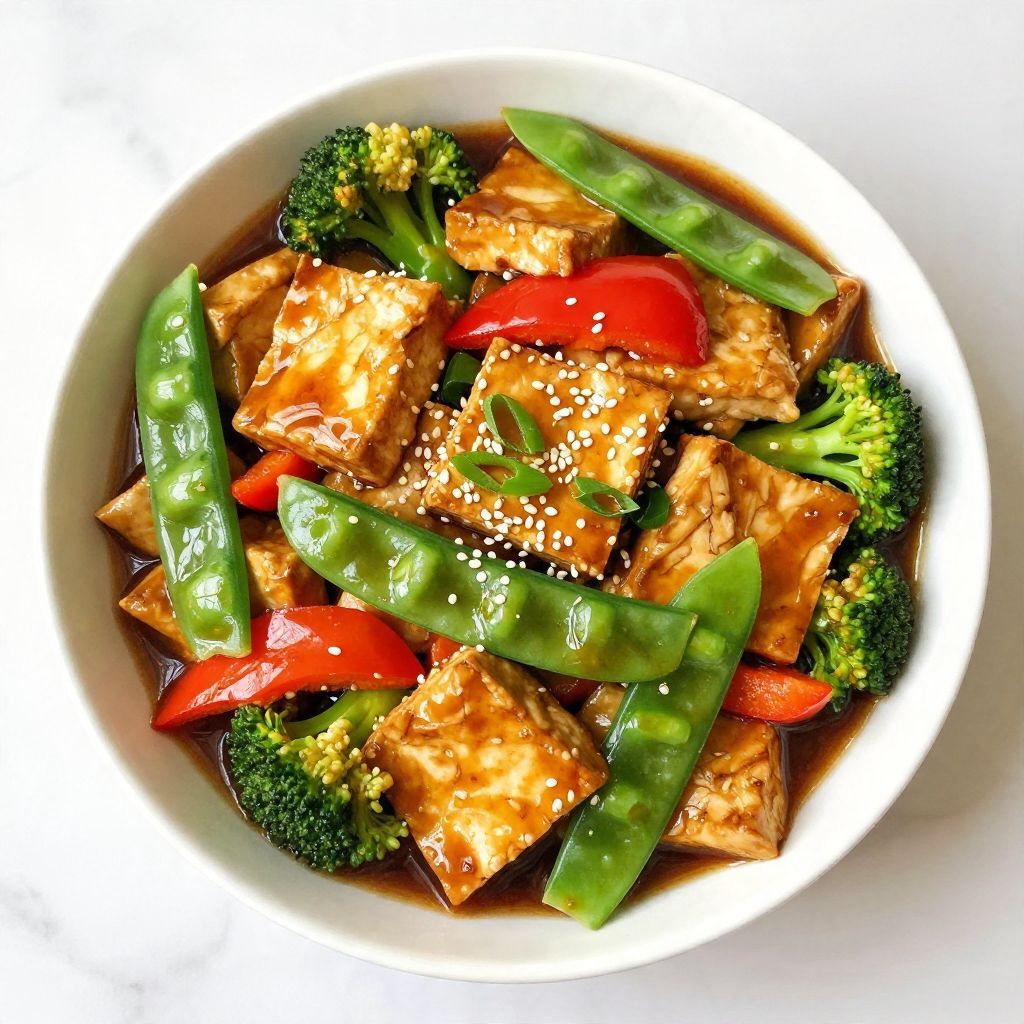
Asian Stir Fry Sauce
Ingredients
Equipment
Method
- Start by measuring out all your ingredients.
- In a small mixing bowl, combine the soy sauce, rice vinegar, sesame oil, and brown sugar. Whisk until the sugar dissolves completely.
- Stir in the minced garlic and freshly grated ginger.
- In a separate small bowl, mix the cornstarch with water until smooth.
- Add the cornstarch slurry to the sauce mixture and whisk until well combined.
- Pour the sauce into a pan over medium heat. Stir continuously until it begins to thicken, usually about 2-3 minutes.
- If the sauce is too thick, add a splash of water until you reach your desired consistency.
- Once thickened, your sauce is ready to use or can be stored in the fridge for later use.