
Asado is the ultimate South American grilling experience, transforming simple cuts of beef into tender, smoky perfection over an open flame or charcoal grill. This traditional Argentine recipe brings together ribeye, short ribs, or flank steak with just a few seasonings, creating a meal perfect for Sunday gatherings or special celebrations. The slow cooking method produces meat so juicy and flavorful that you’ll wonder why you ever settled for ordinary barbecue.
Ready to master this iconic dish? Let’s get started with everything you need to know.
Why You’ll Love This Recipe
Asado delivers bold, smoky flavor with minimal fuss, letting the quality of the meat shine through. It’s a showstopper that’s surprisingly simple to pull off.
- Uses just salt and fire to create incredible depth of flavor
- Feeds a crowd without keeping you chained to the kitchen
- Adaptable to any grill setup you already own
- Pairs beautifully with chimichurri and simple sides
- Creates a social cooking experience everyone can enjoy
My Experience Making This Recipe
I first made asado for a family reunion, and I was nervous about the long cooking time. Watching the meat slowly develop that gorgeous crust while staying tender inside was worth every minute of tending the fire.
The smell alone had neighbors leaning over the fence asking questions. When I finally sliced into those ribs, the juice ran clear and the meat pulled away from the bone with almost no effort.
Everyone went back for seconds, and my uncle (who grew up in Buenos Aires) gave me the nod of approval. That’s when I knew I’d nailed it.
Recipe Overview
- Recipe Name: Asado
- Servings: 8
- Prep Time: 20 minutes
- Cook Time: 2 hours 30 minutes
- Total Time: 2 hours 50 minutes
- Course: Main Course
- Cuisine: Argentine
- Calories per Serving: 520
Equipment You Will Need
- Charcoal or wood-fired grill
- Chimney starter
- Long-handled tongs
- Basting brush
- Meat thermometer
- Large cutting board
- Sharp carving knife
- Aluminum foil for resting
- Fireproof gloves
Ingredients for Asado
- 4 pounds beef short ribs, bone-in
- 3 pounds flank steak or skirt steak
- Coarse sea salt, about 1/4 cup
- Black pepper, 2 tablespoons freshly ground
- Garlic cloves, 6 whole, smashed
- Olive oil, 1/4 cup for basting
- Fresh oregano, 3 sprigs (optional)
- Lemon wedges, for serving
Ingredient Notes and Substitutions
- Short ribs: The bone adds flavor and helps regulate cooking temperature. You can use boneless chuck ribs, but adjust cooking time down by 30 minutes.
- Flank steak: This cut offers great beefy flavor and benefits from slow, indirect heat. Substitute with sirloin flap or tri-tip if flank is unavailable.
- Coarse sea salt: Large crystals create a flavorful crust without over-salting. Table salt works but use half the amount since it’s finer.
- Olive oil: Keeps the exterior from drying during the long cook. Avocado oil handles high heat just as well.
- Fresh oregano: Adds subtle herbal notes when tossed on the coals. Dried oregano or rosemary sprigs make fine alternatives.
How to Make Asado
Step 1: Prepare the Meat
Pat all the meat completely dry with paper towels, then season generously with coarse salt on all sides at least 30 minutes before grilling. This dry brining process helps the salt penetrate deep into the meat, seasoning it throughout rather than just on the surface.
Let the meat sit at room temperature for about 20 minutes before it hits the grill. Bringing it closer to room temperature ensures more even cooking from edge to center.
Step 2: Build Your Fire
Fill a chimney starter with charcoal or hardwood lump charcoal and light it, letting the coals burn until they’re covered in white ash. Pour the hot coals to one side of the grill, creating a two-zone fire with direct and indirect heat areas.
This setup gives you control over temperature and prevents flare-ups from burning the meat. You want a moderate fire that will maintain around 300 to 325 degrees Fahrenheit.
Step 3: Start with the Short Ribs
Place the short ribs bone-side down on the indirect heat side of the grill, away from the flames. Close the lid and let them cook slowly, allowing the fat to render and the connective tissue to break down over the next 90 minutes.
Resist the urge to flip them constantly. Let them develop a crust before touching them, which usually takes about 45 minutes per side.
Step 4: Add the Flank Steak
After the ribs have been cooking for about an hour, add the flank steak to the indirect heat zone. The flank cooks faster than the ribs, so timing this right means everything finishes together.
Season the flank with black pepper and a touch more salt if needed. Position it fat-side up so the rendering fat bastes the meat as it cooks.
Step 5: Baste and Monitor
Mix the olive oil with smashed garlic cloves and use this to baste the meat every 30 minutes. This keeps the exterior moist and adds another layer of flavor without overpowering the beef.
Check your grill temperature regularly and add more coals if it drops below 275 degrees. Consistent, moderate heat is the secret to tender asado.
Step 6: Finish Over Direct Heat
Once the short ribs reach an internal temperature of 200 degrees Fahrenheit (about 2 hours) and the flank hits 135 degrees (about 90 minutes), move all the meat over direct heat for 3 to 5 minutes per side. This final sear creates the crispy, charred exterior that makes asado special.
Watch carefully during this step because the sugars and proteins can burn quickly. You want deep brown char marks, not black ash.
Step 7: Rest the Meat
Transfer all the meat to a cutting board and tent loosely with aluminum foil. Let it rest for 15 to 20 minutes before slicing.
This resting period allows the juices to redistribute throughout the meat instead of running out onto the cutting board. Skipping this step means dry, disappointing asado.
Step 8: Slice and Serve
Slice the flank steak against the grain into thin strips, about 1/4 inch thick. Cut the short ribs between the bones into individual portions.
Arrange everything on a large platter, squeeze fresh lemon over the top, and serve immediately. The contrast between the crusty exterior and tender interior is best enjoyed hot off the grill.
Pro Tip: Keep a spray bottle of water nearby to tame flare-ups without moving the meat. Quick spritzes control flames while maintaining your grill temperature and that perfect char.
Tips for the Best Asado
- Choose well-marbled cuts with good fat distribution, which keeps the meat moist during the long cooking process. Lean cuts will dry out and turn tough.
- Maintain a consistent temperature by adding small amounts of charcoal every 45 minutes rather than dumping a bunch at once. Steady, moderate heat beats wild temperature swings.
- Salt the meat at least 30 minutes ahead, or up to 24 hours for even deeper seasoning. The longer salt sits, the more it penetrates and tenderizes.
- Use hardwood charcoal or add wood chunks for authentic smoky flavor that gas grills can’t replicate. Hickory and oak work beautifully with beef.
- Don’t flip the meat more than twice during cooking. Constant flipping prevents proper crust formation and releases precious juices.
- Let your fire burn down to glowing coals rather than cooking over flames. High, direct flames char the outside before the inside cooks through.
Common Mistakes to Avoid
- Cooking over flames instead of coals creates uneven heat and burnt exteriors with raw centers. Wait for the flames to die down completely.
- Using too much seasoning beyond salt and pepper masks the natural beef flavor that asado celebrates. Keep it simple and let the meat speak for itself.
- Rushing the cook with high heat makes the meat tough and chewy. Low and slow is the only way to break down connective tissue properly.
- Cutting into the meat immediately after grilling releases all the juice onto the board. Patience during resting makes the difference between good and great.
- Placing cold meat straight from the fridge onto the grill causes the outside to overcook before the center warms up. Always bring meat to room temperature first.
Serving Suggestions
Asado shines when served family-style on a large wooden board with simple, fresh accompaniments. Keep the sides uncomplicated so the beef remains the star of the meal.
- Traditional chimichurri sauce for drizzling over every slice
- Grilled provoleta cheese as an appetizer while the meat cooks
- Simple tomato and onion salad dressed with olive oil and vinegar
- Crusty bread for soaking up meat juices and chimichurri
- Roasted bell peppers and grilled onions as smoky vegetable sides
- Malbec or Cabernet Sauvignon to complement the rich beef flavors
Variations to Try
- Mixed grill asado: Add chorizo sausages, sweetbreads, and blood sausage for a traditional parrillada with varied textures and flavors throughout the meal.
- Herb-crusted version: Mix chopped parsley, oregano, and thyme into the salt rub for an aromatic crust that adds complexity without overwhelming the beef.
- Spicy asado: Add crushed red pepper flakes and smoked paprika to your seasoning for a kick that cuts through the richness of the fatty cuts.
- Citrus-marinated style: Marinate the flank steak in orange and lime juice for 2 hours before grilling to add brightness and help tenderize the meat.
- Coffee-rubbed asado: Mix finely ground coffee with the salt and pepper for earthy depth that enhances the char and creates incredible crust flavor.
Dietary Adaptations
- Gluten-free: This recipe is naturally gluten-free as long as you skip the bread and ensure any bottled sauces don’t contain gluten-based thickeners.
- Dairy-free: The traditional recipe contains no dairy, so no substitutions are needed unless you’re serving it with cheese-based sides.
- Low-carb/Keto: Asado is perfect for low-carb diets since it’s just meat and minimal seasoning. Pair with grilled vegetables instead of bread to keep it keto-friendly.
- Paleo: This recipe fits paleo guidelines perfectly with grass-fed beef and simple seasonings. Just verify your salt contains no anti-caking agents with questionable ingredients.
Storage and Reheating
Refrigerator
Store leftover asado in an airtight container in the refrigerator for up to 4 days. Slice only what you plan to eat immediately and keep larger pieces intact to prevent drying out.
- Wrap tightly in plastic wrap or foil to prevent air exposure
- Store any chimichurri separately to prevent the meat from becoming soggy
- Keep different cuts in separate containers if possible
Freezer
Freeze asado for up to 3 months in freezer-safe bags with as much air removed as possible. Slice the meat before freezing for easier portioning and faster thawing.
- Wrap individual portions in plastic wrap, then place in freezer bags
- Label with the date and cut of meat
- Thaw overnight in the refrigerator before reheating
Reheating
Reheat asado gently to avoid drying it out and turning it tough. Low and slow works just as well for reheating as it did for the original cook.
- Oven method: Wrap in foil with a splash of beef broth and heat at 275 degrees for 15 to 20 minutes
- Skillet method: Sear quickly in a hot cast-iron pan for 1 to 2 minutes per side
- Avoid microwaving, which makes the meat rubbery and unevenly heated
Nutrition Information
| Nutrient | Amount |
|---|---|
| Calories | 520 |
| Total Fat | 38g |
| Saturated Fat | 15g |
| Carbohydrates | 2g |
| Fiber | 0g |
| Sugar | 0g |
| Protein | 45g |
| Sodium | 890mg |
| Cholesterol | 135mg |
Nutritional values are approximate and will vary based on specific cuts of meat and portion sizes. These calculations are based on an average serving of mixed short ribs and flank steak.
Frequently Asked Questions
Can I make asado on a gas grill?
Yes, but you’ll miss some of the smoky flavor that charcoal or wood provides. Use a smoker box with wood chips and set up indirect heat zones by turning off burners on one side of the grill.
How do I know when the meat is done?
Short ribs are ready when they reach an internal temperature of 200 degrees and the meat easily pulls away from the bone. Flank steak is best at 130 to 135 degrees for medium-rare, which stays tender when sliced thin against the grain.
Can I prepare asado ahead of time?
You can salt the meat up to 24 hours ahead and refrigerate it uncovered to dry brine, which actually improves texture and flavor. Bring it to room temperature 30 minutes before grilling for best results.
Why is my asado tough and chewy?
You either cooked it too fast over high heat or didn’t let it rest properly after grilling. Short ribs need the full 2 hours at moderate temperature to break down collagen, and all cuts need at least 15 minutes of resting time.
What’s the best wood to use for authentic flavor?
Argentinians traditionally use quebracho or algarrobo wood, but hickory, oak, or mesquite work beautifully and are easier to find. Avoid overly sweet woods like cherry or apple, which don’t complement beef as well.
Do I need to marinate the meat?
Traditional asado uses only salt, letting the quality of the beef and the smoke do all the work. Marinades can overpower the natural flavor, though a simple garlic and oil baste during cooking adds nice depth without masking the meat.
How much meat should I plan per person?
Budget about 1 pound of bone-in meat or 12 ounces of boneless cuts per person for a main course. Argentinians are generous with portions, and people always eat more asado than they think they will.
Final Thoughts
Asado is more than just grilled meat. It’s a ritual that brings people together over fire, good beef, and plenty of time to enjoy both.
The beauty of this recipe is its simplicity, proving that you don’t need fancy techniques or complicated ingredients to create something memorable. Give it a try this weekend, and you might just start a new tradition of your own.
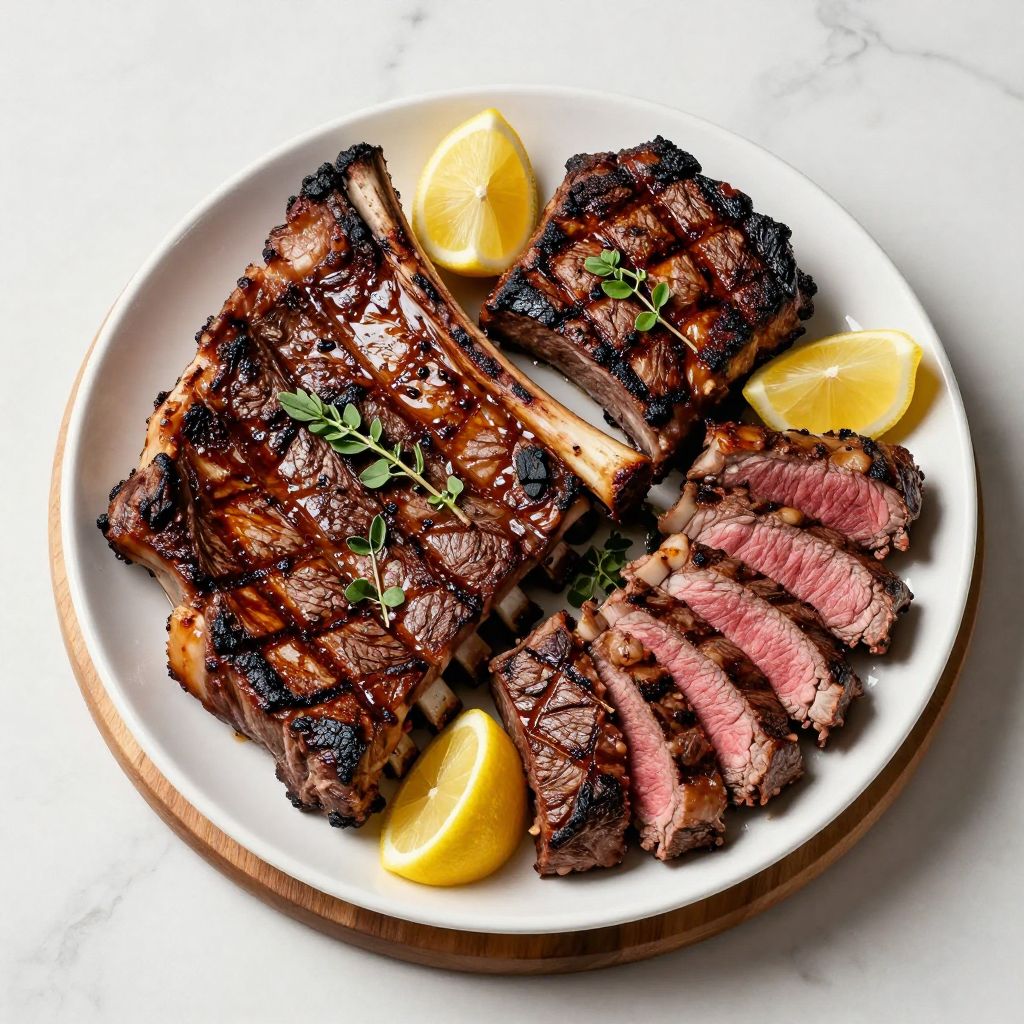
Asado
Ingredients
Equipment
Method
- Pat all the meat completely dry with paper towels, then season generously with coarse salt on all sides at least 30 minutes before grilling. Let the meat sit at room temperature for about 20 minutes before it hits the grill.
- Fill a chimney starter with charcoal or hardwood lump charcoal and light it, letting the coals burn until they're covered in white ash. Pour the hot coals to one side of the grill, creating a two-zone fire with direct and indirect heat areas. Maintain around 300 to 325 degrees Fahrenheit.
- Place the short ribs bone-side down on the indirect heat side of the grill, away from the flames. Close the lid and let them cook slowly for about 90 minutes, flipping once after 45 minutes per side.
- After the ribs have been cooking for about an hour, add the flank steak to the indirect heat zone. Season the flank with black pepper and a touch more salt if needed. Position it fat-side up.
- Mix the olive oil with smashed garlic cloves and use this to baste the meat every 30 minutes. Check your grill temperature regularly and add more coals if it drops below 275 degrees Fahrenheit.
- Once the short ribs reach an internal temperature of 200 degrees Fahrenheit (about 2 hours) and the flank hits 135 degrees Fahrenheit (about 90 minutes), move all the meat over direct heat for 3 to 5 minutes per side to create a crispy, charred exterior.
- Transfer all the meat to a cutting board and tent loosely with aluminum foil. Let it rest for 15 to 20 minutes before slicing.
- Slice the flank steak against the grain into thin strips, about 1/4 inch thick. Cut the short ribs between the bones into individual portions. Arrange everything on a large platter, squeeze fresh lemon over the top, and serve immediately.