
The smell of fresh herbs hitting a hot pan is pure kitchen magic, and green seasoning captures that exact moment in a jar. This Caribbean staple blends aromatic herbs and aromatics into a vibrant paste that transforms everyday proteins, soups, and stews into something genuinely craveable.
Green seasoning is special because it’s versatile, freezer-friendly, and tastes like you’ve been cooking all day when you’ve really just grabbed a spoonful from the fridge. Whether you’re cooking for your family tonight or meal prepping for the week, this recipe delivers restaurant-quality flavor in minutes.
Why You’ll Love This Recipe
This seasoning paste is a game changer for anyone who wants bold, authentic flavor without fuss. You’ll make it once and wonder how you ever cooked without it.
- Bursting with fresh herb flavor that brightens any dish instantly
- Ready in under 10 minutes from start to finish
- Freezes beautifully for up to three months in ice cube trays
- Works with chicken, fish, beef, soups, rice, and vegetables
- No special equipment needed beyond a blender or food processor
My Experience Making This Recipe
I first discovered green seasoning at a friend’s dinner table while visiting the Caribbean, and one bite of her seasoned chicken told me everything. The herbaceous punch combined with garlic and cilantro made me immediately ask for the recipe.
Making it at home has completely changed my weeknight cooking routine. Now I blend a batch every Sunday and freeze it in ice cube trays, so I always have bold flavor on hand.
My family has noticed the difference instantly, and my kids now eat fish without complaint because the green seasoning makes it taste incredible. It’s become my secret weapon in the kitchen.
Recipe Overview
- Recipe Name: Green Seasoning
- Servings: Makes about 1 cup (16 tablespoons)
- Prep Time: 8 minutes
- Cook Time: 0 minutes
- Total Time: 8 minutes
- Course: Condiment / Seasoning
- Cuisine: Caribbean
- Calories per Serving: 5 calories per tablespoon
Equipment You Will Need
- Food processor or blender
- Cutting board
- Chef’s knife
- Measuring cups and spoons
- Glass jar or airtight container
- Ice cube trays (optional, for freezing)
Ingredients for Green Seasoning
- Fresh cilantro, 1 cup loosely packed
- Fresh parsley, 1 cup loosely packed
- Green onions, 4 stalks (white and light green parts)
- Garlic cloves, 4 medium
- Fresh thyme sprigs, 3 to 4 sprigs
- Fresh chives, 2 tablespoons (optional but recommended)
- Olive oil, 2 to 3 tablespoons
- Fresh lime juice, 1 tablespoon
- Sea salt, 1/2 teaspoon
- Black pepper, 1/4 teaspoon
Ingredient Notes and Substitutions
- Fresh cilantro: The heart of green seasoning, cilantro brings bright, peppery notes. If you dislike cilantro, replace it with an equal amount of additional parsley or basil for a milder herb base.
- Fresh parsley: This mild herb balances cilantro’s intensity and adds freshness. Chives or dill work as substitutes, though they’ll shift the flavor profile slightly.
- Green onions: They provide a gentle onion bite that makes the paste taste alive. Regular onions work but use only 1 tablespoon minced since they’re stronger.
- Garlic cloves: Four cloves deliver powerful aromatic depth without overpowering the herbs. Use half the amount if you prefer milder garlic flavor, or add two more cloves for extra punch.
- Fresh thyme: This woody herb adds subtle earthiness that rounds out the bright flavors. Oregano or marjoram can replace it, though the taste will lean more Mediterranean.
- Olive oil: It binds the herbs into a cohesive paste while preserving freshness. Neutral oil like avocado or grapeseed oil works identically if you prefer less olive flavor.
- Fresh lime juice: The acid keeps the seasoning bright and prevents browning. Lemon juice substitutes perfectly and adds similar acidity and freshness.
How to Make Green Seasoning
Step 1: Wash and Dry Your Herbs
Rinse all fresh herbs under cold water and pat them completely dry with paper towels. Excess moisture will dilute your paste and reduce how long it stores, so this step matters more than it seems.
Step 2: Roughly Chop the Cilantro and Parsley
Cut both bunches into rough chunks, removing any thick stems that might not blend smoothly. Leaving some stem is fine since they contain flavor, but massive woody pieces will make your food processor work harder.
Step 3: Trim and Chop the Green Onions
Slice the green onions into 1-inch pieces, using both the white and light green parts. Dark green tops are too fibrous and won’t blend into a smooth paste, so save those for garnish or compost.
Step 4: Peel and Halve the Garlic
Peel your garlic cloves and cut them in half so they break down faster in the food processor. Smaller pieces blend more evenly and prevent chunky bits of garlic from sneaking into your final paste.
Step 5: Add Herbs to Your Food Processor
Place the cilantro, parsley, green onions, garlic, and thyme into your food processor bowl. Don’t pack it down; just let everything pile in loosely so the blade can circulate freely.
Step 6: Add Oil and Lime Juice
Pour the olive oil and fresh lime juice over the herbs, then add salt and black pepper. The liquid helps the blade pull the herbs down and blend them into a smooth consistency.
Step 7: Blend Until Smooth
Pulse the food processor, scraping down the sides every few pulses with a rubber spatula. Stop when you reach a paste consistency; some tiny herb flecks are fine, but you don’t want large chunks or a watery sauce.
Step 8: Taste and Adjust Seasoning
Transfer a spoonful to a small dish and taste it carefully. Add more salt, lime juice, or garlic if needed, then pulse again to incorporate any additions.
Pro Tip: Freeze green seasoning in ice cube trays for perfect portions that thaw in seconds, making it impossibly easy to grab a cube whenever you need bold flavor.
Tips for the Best Green Seasoning
- Use the freshest herbs you can find at the market or farmers’ market. Wilted or yellowing herbs will produce a dull, weak-tasting seasoning no matter how carefully you blend.
- Don’t skip the lime juice, which brightens the paste and acts as a natural preservative that extends shelf life. The acidity prevents the herbs from turning dark brown quickly.
- If your paste looks too thick, add more olive oil one tablespoon at a time until you reach your desired consistency. Thinner paste spreads easily on proteins; thicker paste clings better to chunky vegetables.
- Pulse rather than run the food processor continuously, which can overheat the herbs and cause them to lose color and aroma. You want a vibrant green paste, not a dull olive paste.
- Make this seasoning fresh whenever possible, though it keeps for up to two weeks in the fridge. The fresher it is, the brighter and more alive your finished dishes will taste.
Common Mistakes to Avoid
- Wet herbs: Moisture in your herbs creates a sloppy paste that doesn’t freeze well and spoils faster. Always pat your herbs completely dry before blending.
- Too much garlic: Four cloves is the sweet spot, but adding more can make the seasoning overpowering and harsh. Taste before adjusting since raw garlic intensifies as it sits.
- Skipping the lime juice: Without acid, your paste turns brown and loses its vibrant flavor within days. The lime keeps everything bright and fresh-tasting.
- Over-blending: Running the food processor too long heats the herbs and breaks down their color and aroma. A chunky paste with visible herb flecks is better than a smooth, dull green puree.
- Using dried herbs: This paste only works with fresh herbs, which provide the bright, aromatic quality that makes it special. Dried herbs taste stale by comparison and won’t give the same results.
Serving Suggestions
Green seasoning is a flavor multiplier that transforms the simplest proteins into something restaurant-quality in seconds. Use it generously because these herbs were meant to shine.
- Rub it on chicken breasts before roasting or pan-searing for herbaceous, aromatic poultry that stays juicy
- Stir a tablespoon into fish fillets along with oil before baking for seasoned, flaky fish with bright flavor
- Fold it into ground beef or lamb before making burgers, meatballs, or patties for seasoned meat that tastes incredible
- Swirl it into soups, stews, and bean dishes at the end of cooking for a fresh herb boost
- Mix it with softened butter to make compound herb butter for steaks, vegetables, and bread
Variations to Try
- Spicy Green Seasoning: Add one small hot pepper or a pinch of cayenne for heat that builds slowly. This variation works beautifully with seafood and spicy rice dishes.
- Ginger-Green Seasoning: Include one tablespoon of grated fresh ginger for warmth and a subtle spice. This version pairs wonderfully with fish and Asian-inspired soups.
- Caribbean Green Seasoning: Add two tablespoons of chopped culantro (also called recao) if you can find it at a Caribbean market. Culantro tastes more intense than cilantro and is authentic to island cooking.
- Herb-Forward Seasoning: Double the fresh basil and add one tablespoon of fresh mint for a garden-fresh, aromatic paste. This lighter version shines on grilled vegetables and summer salads.
- Oil-Heavy Paste: Increase olive oil to five tablespoons for a thinner consistency that works as a marinade or drizzle. This version clings beautifully to roasted vegetables and grilled meats.
Dietary Adaptations
- Gluten-Free: Green seasoning is naturally gluten-free since it contains only herbs, garlic, and oil. No adaptation needed; it works perfectly for anyone avoiding gluten.
- Dairy-Free: This recipe contains no dairy whatsoever, making it safe for anyone with lactose intolerance or following a dairy-free diet. Use it freely without modification.
- Vegan and Vegetarian: Green seasoning is completely plant-based and works for both diets. The trade-off is that it pairs best with vegetables and plant-based proteins rather than meat, though it enhances all of them.
- Low-Carb and Keto: This seasoning is extremely low in carbs with negligible sugar, making it perfect for keto cooking. The trade-off is that you’ll need to pair it with other keto-friendly proteins and vegetables to maintain your macros.
Storage and Reheating
Refrigerator
Store green seasoning in an airtight glass jar on a shelf in your fridge, not the door where temperature fluctuates. It keeps for up to two weeks, though flavor fades slightly after one week.
- Press plastic wrap directly onto the surface before sealing the jar to minimize air exposure
- Use a clean spoon every time you scoop so you don’t introduce bacteria
- The paste may darken slightly over time, which is normal and doesn’t affect taste
Freezer
Freezing is the best storage method because it preserves flavor for three months or longer. Ice cube trays make portioning effortless and thawing instant.
- Fill ice cube trays with green seasoning and freeze for four hours until solid
- Pop cubes into a freezer bag labeled with the date for easy storage
- One cube equals approximately one tablespoon, perfect for single servings
Reheating
Green seasoning doesn’t need reheating since you use it raw or add it to hot dishes. Simply thaw a cube in the fridge for 30 minutes or add it directly to hot soups and stews where it melts instantly.
- Don’t heat the paste on its own, which dulls the fresh herb flavor
- Add it to the end of cooking to preserve brightness and aroma
Nutrition Information
| Nutrient | Amount |
|---|---|
| Calories | 5 |
| Total Fat | 0.5g |
| Saturated Fat | 0.1g |
| Carbohydrates | 0.5g |
| Fiber | 0.2g |
| Sugar | 0g |
| Protein | 0.2g |
| Sodium | 95mg |
| Cholesterol | 0mg |
These values are estimates based on standard ingredient databases and assume you use approximately one tablespoon per serving. Actual nutrition varies depending on your specific ingredients and portion size.
Frequently Asked Questions
Can I make green seasoning without a food processor?
Yes, you can mince everything by hand with a sharp knife, then mash it together with a mortar and pestle or the back of a spoon. It takes longer and requires more elbow grease, but you’ll get similar results.
How long does green seasoning last in the refrigerator?
Fresh green seasoning keeps for up to two weeks in an airtight jar, though the flavor and color fade after one week. Freezing in ice cube trays extends the shelf life to three months with minimal flavor loss.
Can I make green seasoning with dried herbs?
Dried herbs won’t work because they lack the bright, fresh flavor that makes this seasoning special. The whole point is capturing fresh herb intensity, so always use fresh herbs for the best results.
What’s the difference between green seasoning and green curry paste?
Green seasoning contains mostly fresh herbs and aromatics, while green curry paste includes green chiles, coconut milk, and spices. Green seasoning is milder and works as a universal seasoning, while curry paste is thick and specifically designed for curry dishes.
Can I use cilantro substitutes if I dislike the flavor?
Absolutely, use equal parts fresh parsley, basil, or a combination of both to replace cilantro. The seasoning will taste different but still be delicious and bright on proteins and vegetables.
Is green seasoning the same as sofrito?
They’re similar Caribbean seasonings but not identical. Sofrito typically includes tomatoes and is cooked, while green seasoning is raw herbs blended fresh and used uncooked or added at the end of cooking.
Can I freeze green seasoning in portions other than ice cube trays?
Yes, freeze it in small freezer bags in flat portions, which thaw faster and save freezer space. You can also use small plastic containers or silicone molds depending on your portion needs.
Final Thoughts
Making your own green seasoning is one of those kitchen moves that seems small but transforms how you cook forever. Once you taste the difference it makes, you’ll wonder why you ever bought bottled seasoning blends.
Blend a batch this week, freeze it, and get ready to cook with more confidence and flavor than ever before. Your family is going to ask what you’re doing differently, and you get to smile knowing it’s just eight minutes of fresh herbs working their magic.
Want more exciting seasoning blends to expand your flavor arsenal? Check out our epis recipe for another Caribbean classic, or explore our poultry seasoning recipe to master year-round cooking with homemade spice blends.
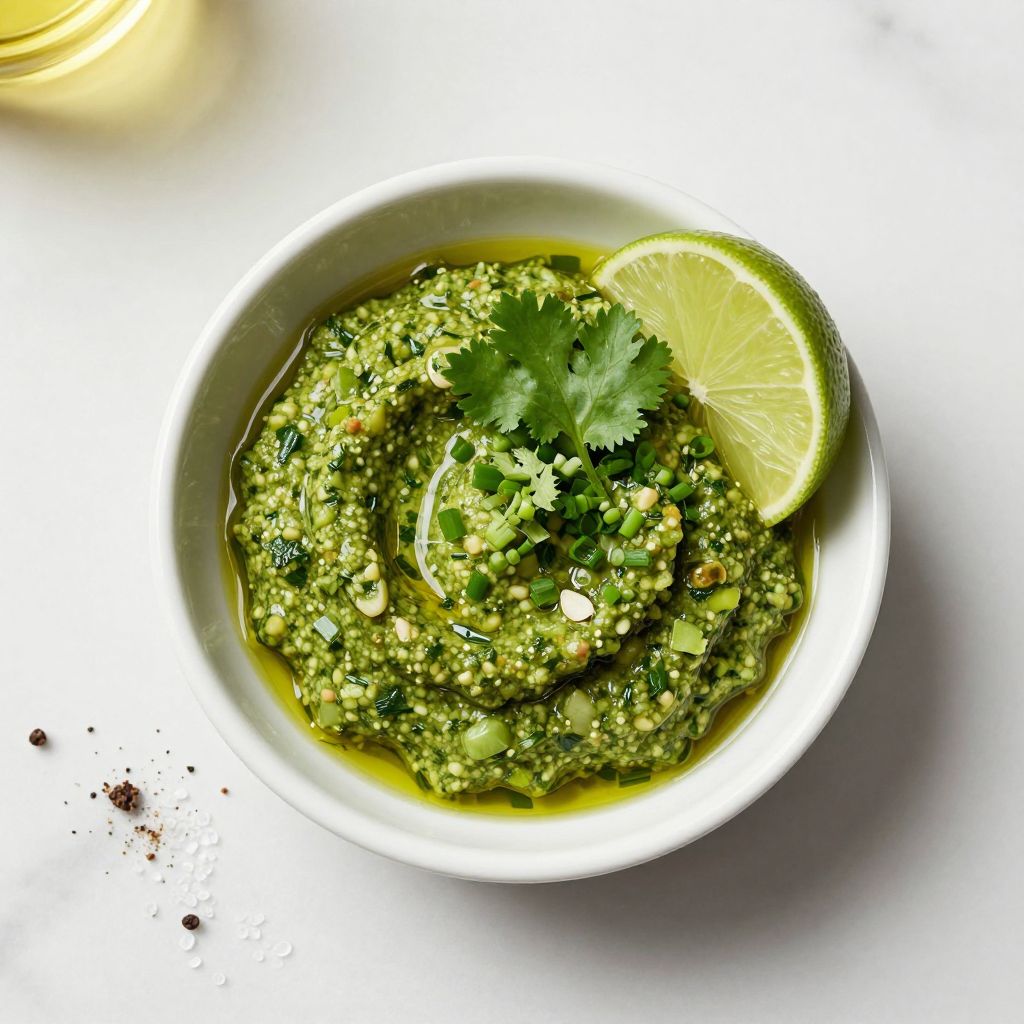
Green Seasoning
Ingredients
Equipment
Method
- Rinse all fresh herbs under cold water and pat completely dry with paper towels.
- Roughly chop the cilantro and parsley, removing any thick woody stems.
- Slice the green onions into 1-inch pieces, using only the white and light green parts.
- Peel the garlic cloves and cut them in half.
- Add the cilantro, parsley, green onions, garlic, and thyme sprigs to the food processor.
- Pour in the olive oil and lime juice, then add the sea salt and black pepper.
- Pulse the mixture, scraping down the sides as needed, until a smooth paste forms with small herb flecks.
- Taste and adjust seasoning by adding more salt, lime juice, or garlic if desired, then pulse briefly to combine.