
There’s something about a pot of moong dal simmering on the stove that feels like home, no matter where you are in the world. This golden, creamy lentil dish has fed generations and continues to be a kitchen staple for anyone seeking comfort in a bowl.
Moong dal is special because it’s quick to cook, packed with protein, and endlessly adaptable to your pantry and taste buds. Whether you prefer it smooth and soupy or thick and hearty, this recipe delivers pure, wholesome goodness every single time.
Why You’ll Love This Recipe
This moong dal recipe checks all the boxes for a weeknight dinner that feels nourishing without demanding hours in the kitchen.
- Ready in under 30 minutes from start to finish
- Naturally vegan, vegetarian, and packed with 15 grams of protein per serving
- One-pot simplicity with minimal cleanup
- Budget-friendly and uses pantry staples you likely have on hand
- Tastes even better the next day, making it perfect for meal prep
My Experience Making This Recipe
I first learned to make moong dal from my grandmother, who could transform a handful of ingredients into something that made you want to cancel all your plans and stay at her table. Her version was simple: just lentils, turmeric, salt, and ghee, but the flavor was unforgettable.
Over the years, I’ve played with spices and techniques to create a version that’s more restaurant-quality but still keeps that home-cooked authenticity. The first time I served it to friends who’d never had it before, they went back for thirds and asked for the recipe immediately.
What won me over most is how forgiving this dish is; you can’t really mess it up, and it adjusts beautifully to what you have in your kitchen. The aroma alone as it cooks will have everyone asking what’s for dinner.
Recipe Overview
- Recipe Name: Creamy Moong Dal
- Servings: 4 servings
- Prep Time: 10 minutes
- Cook Time: 25 minutes
- Total Time: 35 minutes
- Course: Main course or side dish
- Cuisine: Indian
- Calories per Serving: 185 calories
Equipment You Will Need
- Medium saucepan with lid
- Fine mesh strainer
- Wooden spoon or silicone spatula
- Measuring cups and spoons
- Sharp knife and cutting board
- Immersion blender (optional, for smooth texture)
- Small skillet for tempering spices
Ingredients for Moong Dal
- 1 cup split yellow moong dal, rinsed and drained
- 3 cups water or vegetable broth
- 1/2 teaspoon turmeric powder
- 1 teaspoon salt, or to taste
- 2 tablespoons ghee or neutral oil
- 1 teaspoon cumin seeds
- 1/2 teaspoon asafoetida (hing), optional
- 2 cloves garlic, minced
- 1 small onion, finely diced
- 1 green chili, minced, optional
- 1/4 teaspoon red chili powder, or to taste
- Fresh cilantro, chopped, for garnish
- Juice of 1/2 lemon, optional but recommended
Ingredient Notes and Substitutions
- Split yellow moong dal: This is the heart of the dish, offering a mild, slightly sweet flavor and creamy texture when cooked. You can substitute red lentils if moong dal is unavailable, though the flavor profile will shift slightly and cooking time may differ by 5 minutes.
- Ghee: Traditional and adds incredible richness, but coconut oil or any neutral oil works if you prefer a lighter version. Ghee melts beautifully into the spices and creates that authentic restaurant taste.
- Turmeric: Provides earthiness and anti-inflammatory benefits with a warm, peppery note. If you run out, increase the red chili powder slightly for warmth, though the flavor won’t be identical.
- Cumin seeds: They add a nutty, warm dimension that grounds the entire dish. Dry-roasted cumin powder can substitute, though fresh seeds toast better and release more flavor.
- Asafoetida: A pungent spice that mellows into a savory depth; many Indian kitchens swear by it for dal. Skip it if you don’t have it on hand; the dal will still taste wonderful without this optional component.
How to Make Moong Dal
Step 1: Rinse the Moong Dal Thoroughly
Place the moong dal in a fine mesh strainer and run it under cool water, stirring gently with your fingers to rinse away any dust or debris. This step ensures a clean-tasting final dish and removes any impurities that might affect the texture.
Step 2: Bring the Dal and Water to a Boil
Add the rinsed moong dal and water (or broth) to a medium saucepan and bring it to a rolling boil over high heat. Boiling quickly helps the lentils cook more evenly and prevents them from becoming mushy on the outside while remaining hard inside.
Step 3: Add Turmeric and Salt
Once boiling, add the turmeric powder and salt to the pot and stir well. Turmeric not only colors the dal golden but also adds warmth and has natural healing properties that have been valued for centuries.
Step 4: Reduce Heat and Simmer
Lower the heat to medium-low, place a lid on the saucepan, and let it simmer gently for about 15 to 20 minutes until the lentils are completely soft and starting to break down. Gentle simmering ensures the dal cooks evenly without splattering and allows the flavors to meld beautifully.
Step 5: Prepare the Tempering Spices
While the dal simmers, heat the ghee in a small skillet over medium heat and add the cumin seeds. Watch them carefully as they toast and darken slightly, releasing their aromatic oils; this should take about 1 to 2 minutes total.
Step 6: Add Aromatics to the Tempering
Once the cumin seeds crackle and release their fragrance, add the minced garlic, diced onion, and green chili if using. Stir constantly for about 2 to 3 minutes until the onion softens and turns translucent, and the garlic becomes fragrant but doesn’t brown.
Step 7: Finish the Tempering with Spices
Sprinkle the red chili powder and asafoetida into the skillet and stir for just 30 seconds until aromatic. The brief cooking time prevents the spices from burning while allowing their flavors to wake up and bloom.
Step 8: Pour the Tempering into the Dal
Carefully pour the entire contents of the skillet into the simmering dal, including all the ghee and spices, and stir gently to combine. If your dal seems too thick, add another 1/2 cup of water now to reach your preferred consistency.
Step 9: Finish with Lemon and Herbs
Squeeze the lemon juice over the dal if using and stir in most of the fresh cilantro, reserving some for garnish. The lemon brightens all the warm spices and adds a subtle tang that makes people ask what your secret ingredient is.
Pro Tip: The key to silky, restaurant-quality moong dal is not rushing the simmer; let those lentils fully collapse into creaminess rather than stopping when they’re still slightly firm.
Tips for the Best Moong Dal
- Rinse your moong dal multiple times until the water runs almost clear; this reduces the cooking time and improves the final texture significantly.
- Use a broth instead of plain water to add extra depth of flavor and make the dal more nutrient-dense without any extra effort.
- Don’t skip the tempering step; those fried spices are what transform simple dal into something truly craveable and restaurant-quality.
- If you prefer a smoother texture, use an immersion blender to puree the dal partially or completely after cooking; this creates a luxurious consistency.
- Make extra and freeze it in portions; reheated moong dal actually tastes better as the flavors settle and deepen overnight.
- Taste and adjust seasonings at the very end since salt can intensify as the dal cooks down and cools slightly.
Common Mistakes to Avoid
- Skipping the rinsing step leads to a grainy texture and dusty flavor; take those extra two minutes to rinse properly.
- Adding salt too early can prevent the lentils from cooking evenly and may make them tough rather than creamy.
- Cooking on high heat the entire time causes the dal to boil over and cook unevenly; medium-low heat is your friend here.
- Not tempering the spices separately leaves you with flat, one-dimensional flavors; this step is non-negotiable for authentic taste.
- Overcrowding the pot or skipping the lid allows too much water to evaporate; cover it to maintain the right consistency.
Serving Suggestions
Moong dal shines as a complete meal or as a nourishing side alongside rice, naan, or roti. The creamy texture pairs beautifully with crispy breads or fluffy grains that soak up all that golden, spiced goodness.
- Serve over steamed basmati rice with a dollop of yogurt and fresh cilantro on top
- Pair with warm naan or roti and a simple cucumber salad for a complete meal
- Top with crispy fried onions and a squeeze of fresh lime for added crunch and brightness
- Serve alongside sauteed spinach or saag recipe for a vegetable-forward dinner
- Enjoy as a comforting soup in a bowl with crusty bread on the side
Variations to Try
- Coconut Moong Dal: Stir in 1/2 cup of coconut milk at the end for a creamier, slightly sweet version that feels luxurious and tropical.
- Spicy Chili Version: Double the red chili powder and add 1/2 teaspoon of black pepper for those who love bold, fiery heat.
- Creamy Tomato Dal: Add 1 cup of crushed tomatoes during the simmer for a tangy, slightly acidic twist that feels lighter and brighter.
- Garlic-Heavy Dal: Increase the garlic to 6 cloves and add 1/2 teaspoon of garlic powder in the tempering for an intense, aromatic version that garlic lovers will adore.
- Dal with Vegetables: Stir in 1 cup of finely diced carrots, zucchini, or bell peppers during the last 5 minutes of cooking for added nutrition and texture.
Dietary Adaptations
- Gluten-Free: Moong dal is naturally gluten-free, but verify that any spice blends or broths you use are certified gluten-free to avoid cross-contamination.
- Dairy-Free: Substitute ghee with coconut oil or any neutral plant-based oil in the same amount; the flavor will shift slightly but remain delicious.
- Vegan: This recipe is already vegan if you use oil instead of ghee; simply swap the ghee for your preferred plant oil and you’re all set.
- Low-Carb or Keto: Moong dal is moderate in carbs, so this isn’t ideal for strict keto, but you can reduce the portion size and pair it with extra vegetables for balance.
Storage and Reheating
Refrigerator
Store cooled moong dal in an airtight container in the refrigerator for up to 4 days. The flavors actually deepen and improve as the dal sits, making it perfect for meal prep.
- Keep the lid on tight to prevent the dal from absorbing other flavors
- If it thickens significantly when cold, add water when reheating to reach the original consistency
Freezer
Moong dal freezes beautifully for up to 3 months in freezer-safe containers or bags. Portion it into individual servings for easy thawing and quick weeknight dinners.
- Leave a little headspace in containers since dal may expand slightly when frozen
- Label with the date so you remember when you made it
Reheating
Reheat gently on the stovetop over medium heat with a splash of water, stirring occasionally until warmed through, or microwave in 2-minute intervals. Gentle reheating prevents the dal from splitting or becoming mushy.
- Stovetop reheating takes about 5 minutes and preserves the best flavor and texture
- If reheated dal tastes a bit flat, squeeze a little fresh lemon juice to brighten it right back up
Nutrition Information
| Nutrient | Amount |
|---|---|
| Calories | 185 |
| Total Fat | 8g |
| Saturated Fat | 4g |
| Carbohydrates | 20g |
| Fiber | 5g |
| Sugar | 1g |
| Protein | 15g |
| Sodium | 620mg |
| Cholesterol | 12mg |
These values are estimates based on standard ingredient measurements and may vary depending on specific brands and preparation methods used in your kitchen.
Frequently Asked Questions
Can I Make Moong Dal Without Ghee?
Absolutely; use any neutral oil like coconut, vegetable, or olive oil in the same amount. The dal will taste delicious, though you’ll miss the rich, nutty notes that ghee provides.
How Long Does Moong Dal Last in the Fridge?
Properly stored in an airtight container, it keeps for up to 4 days and actually improves in flavor as it sits. Freezing extends the life to 3 months, making it perfect for meal prep.
Can I Make This Recipe Ahead of Time?
Yes, this is one of the best make-ahead dishes; cook it fully, cool it, and store it in the fridge or freezer. Simply reheat gently on the stove with a splash of water before serving.
Why Is My Moong Dal Too Thick or Too Thin?
Thickness depends on how much water remains after cooking; if it’s too thick, add water a splash at a time while simmering. If it’s too thin, let it simmer uncovered for a few minutes to reduce and concentrate the flavors.
What If I Can’t Find Moong Dal?
Red lentils are the closest substitute and cook quickly, though they create a more orange color and slightly different flavor. Yellow split peas work too but need about 5 extra minutes of cooking time.
Should I Soak the Dal Before Cooking?
Soaking isn’t necessary for split moong dal since it cooks quickly without it, but soaking for 30 minutes to 2 hours can reduce cooking time by a few minutes if you prefer.
Final Thoughts
This moong dal recipe has become my go-to weeknight comfort food because it delivers everything you want: speed, nutrition, incredible flavor, and zero fuss. Once you master this basic version, you’ll find yourself making it again and again, tweaking it to your liking each time.
Your next dinner is just 35 minutes away, and I promise you’ll want to make this again within the week. If you loved this recipe, explore more nourishing options on our recipes collection and discover your next kitchen favorite.
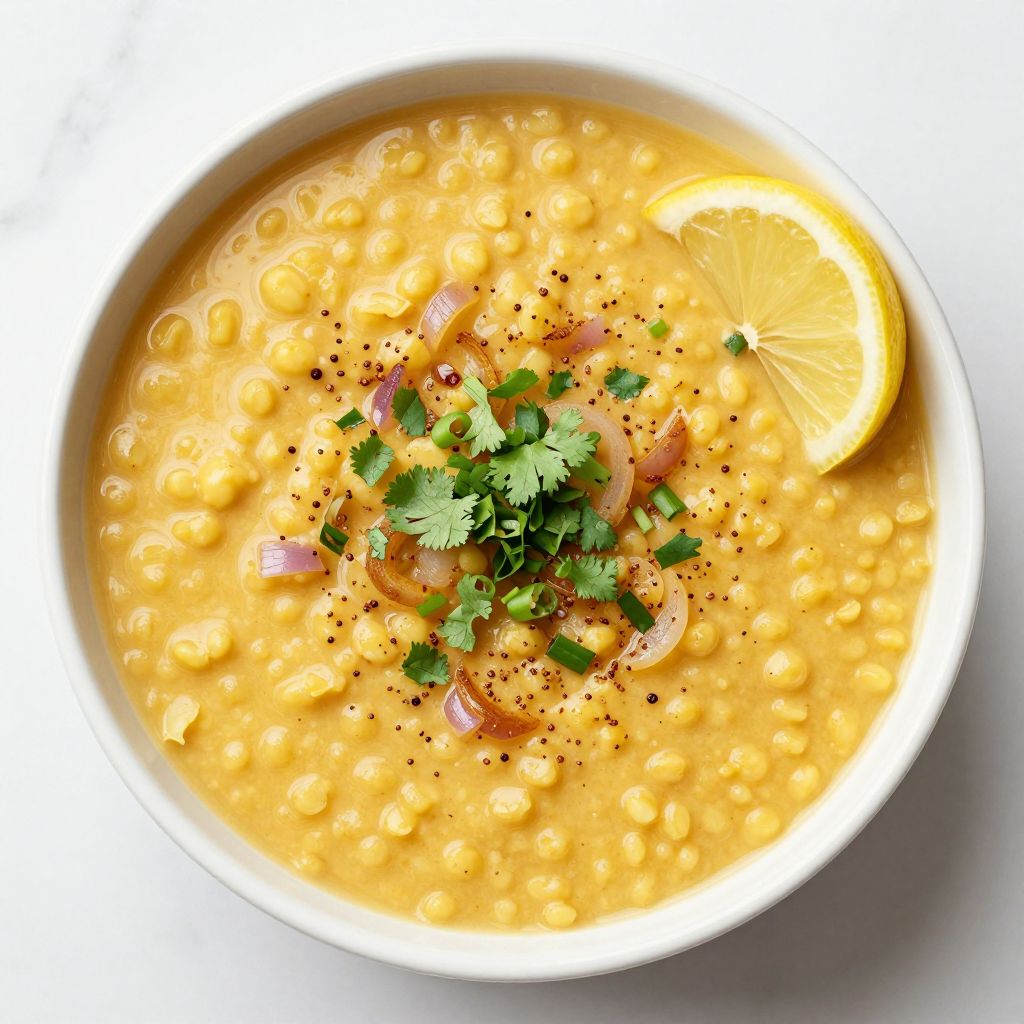
Creamy Moong Dal
Ingredients
Equipment
Method
- Rinse the moong dal in a fine mesh strainer under cool running water until the water runs almost clear.
- Combine the rinsed dal and 3 cups water or broth in a medium saucepan and bring to a rolling boil over high heat.
- Stir in 1/2 teaspoon turmeric powder and 1 teaspoon salt, then reduce heat to medium-low and cover.
- Simmer the dal gently for 15 to 20 minutes, stirring occasionally, until the lentils are soft and breaking down.
- Meanwhile, heat 2 tablespoons ghee in a small skillet over medium heat and add 1 teaspoon cumin seeds; toast for 1 to 2 minutes until aromatic.
- Add 2 cloves minced garlic, 1 small diced onion, and 1 minced green chili (if using); cook, stirring, for 2 to 3 minutes until the onion is translucent.
- Sprinkle in 1/4 teaspoon red chili powder and 1/2 teaspoon asafoetida; cook for 30 seconds until fragrant.
- Pour the tempering with all the ghee and spices into the simmering dal and stir gently to combine; add 1/2 cup water if the dal is too thick.
- Squeeze in the juice of 1/2 lemon and stir in most of the chopped cilantro, reserving some for garnish.