
The first time I made saag, my kitchen smelled like my grandmother’s house in winter, all earthy greens and warm spices mingling in the air. This classic Indian dish transforms humble leafy greens into something deeply satisfying and incredibly nutritious.
What makes this saag recipe special is its simplicity paired with bold, authentic flavors. You do not need fancy equipment or hard to find ingredients to create restaurant quality results at home.
The creamy texture comes from blending cooked greens with aromatic spices like cumin, ginger, and garam masala. Whether you serve it with warm naan, fluffy basmati rice, or alongside your favorite curry, this dish delivers comfort in every spoonful.
Why You Will Love This Recipe
This saag recipe checks all the boxes for a weeknight winner that feels special enough for company. Here is what makes it stand out from the crowd.
- Ready in under 45 minutes with minimal hands on time
- Packed with iron, vitamins, and antioxidants from nutrient dense greens
- Naturally gluten free and easily adaptable to vegan diets
- Freezes beautifully for meal prep and busy weeknight dinners
- Bold, warming spices that taste authentic without overwhelming heat
My Experience Making This Recipe
I have made this saag more times than I can count, and it never disappoints. The aroma that fills the kitchen when the cumin seeds hit the hot oil is genuinely addictive.
My family devours this dish faster than I can make seconds. Even my picky eaters who claim to hate spinach somehow clean their plates when saag is on the menu.
The texture took me a few tries to perfect, but I finally nailed that creamy yet slightly rustic consistency. Trust me when I say the extra step of blanching the greens makes all the difference.
Recipe Overview
- Recipe Name: Saag
- Servings: 4
- Prep Time: 15 minutes
- Cook Time: 25 minutes
- Total Time: 40 minutes
- Course: Main Course or Side Dish
- Cuisine: Indian
- Calories per Serving: 185
Equipment You Will Need
- Large pot for blanching greens
- Colander or strainer
- Blender or immersion blender
- Large skillet or kadhai
- Wooden spoon
- Sharp knife and cutting board
- Measuring cups and spoons
Ingredients for Saag
For the Greens
- 1 pound fresh spinach, washed and trimmed
- 4 ounces mustard greens, roughly chopped
- 4 ounces fenugreek leaves (methi), or additional spinach
- 4 cups water for blanching
- 1 teaspoon salt for blanching water
For the Tempering
- 3 tablespoons ghee or vegetable oil
- 1 teaspoon cumin seeds
- 1 medium onion, finely diced
- 4 cloves garlic, minced
- 1 inch piece fresh ginger, grated
- 2 green chilies, slit lengthwise
For the Spices
- 1 teaspoon garam masala
- 1/2 teaspoon turmeric powder
- 1/2 teaspoon coriander powder
- 1/4 teaspoon red chili powder
- Salt to taste
- 2 tablespoons heavy cream, optional
Ingredient Notes and Substitutions
- Spinach: Forms the base of this dish and provides a mild, earthy flavor. Substitute with Swiss chard or kale if needed, though cooking time may increase.
- Mustard greens: Adds a pleasant peppery bite that defines authentic saag. Skip them if unavailable, but the dish will taste milder.
- Ghee: Provides rich, nutty depth that oil simply cannot match. Use coconut oil or vegetable oil for a vegan version.
- Green chilies: Deliver fresh heat without overpowering the greens. Remove seeds for less heat or substitute with a pinch of cayenne.
- Heavy cream: Creates that signature creamy finish you find at restaurants. Swap with coconut cream or cashew cream for dairy free options.
How to Make Saag
Step 1: Prepare the Greens
Wash all your greens thoroughly under cold running water to remove any dirt or grit. Chop them roughly since they will be blended later anyway.
Step 2: Blanch the Greens
Bring a large pot of salted water to a rolling boil and add all the greens. Cook for 3 to 4 minutes until wilted and bright green, then immediately transfer to ice water to stop the cooking.
This blanching step preserves the vibrant color and removes any bitter taste from the mustard greens. Skipping it results in dull, murky looking saag.
Step 3: Blend the Greens
Drain the blanched greens well and squeeze out excess water with your hands. Blend them to a coarse puree, leaving some texture rather than making it completely smooth.
Step 4: Prepare the Tempering Base
Heat ghee in a large skillet over medium heat until shimmering. Add cumin seeds and let them sizzle for about 30 seconds until fragrant and slightly darker.
The cumin seeds should crackle and pop, releasing their earthy aroma. This technique is called tadka, and it builds the flavor foundation for the entire dish.
Step 5: Cook the Aromatics
Add the diced onion and cook for 5 to 6 minutes until soft and golden brown at the edges. Stir in the garlic, ginger, and green chilies, cooking for another minute until fragrant.
Step 6: Add the Spices
Reduce heat to medium low and add turmeric, coriander, and red chili powder. Stir constantly for 30 seconds to toast the spices without burning them.
Toasting the ground spices in fat releases their essential oils and deepens their flavor. Raw spices taste harsh and can leave a powdery texture on your tongue.
Step 7: Combine and Simmer
Pour the blended greens into the skillet and stir to combine with the spiced onion mixture. Add salt to taste and simmer for 8 to 10 minutes, stirring occasionally.
The saag should thicken slightly and the raw smell of the greens will mellow into something deeply savory. Add a splash of water if it becomes too thick.
Step 8: Finish and Season
Stir in the garam masala and heavy cream during the last minute of cooking. Taste and adjust salt, then remove from heat and let rest for 5 minutes before serving.
Pro Tip: Add a small pat of butter on top just before serving for that glossy, restaurant style finish that makes the dish look as good as it tastes.
Tips for the Best Saag
- Use a mix of greens rather than spinach alone for more complex, authentic flavor.
- Do not skip the ice bath after blanching since it locks in that beautiful green color.
- Blend to a coarse texture rather than baby food smooth for better mouthfeel.
- Toast your whole spices until they become aromatic before adding other ingredients.
- Let the finished saag rest for a few minutes so the flavors can meld together.
- Finish with cold butter or cream off the heat to prevent curdling.
Common Mistakes to Avoid
- Overcooking the greens: This destroys nutrients and turns your saag an unappetizing brownish color.
- Skipping the water squeeze: Excess water makes the dish watery and dilutes the flavors.
- Burning the spices: Charred spices taste bitter and cannot be fixed once burnt.
- Adding cream too early: High heat causes cream to curdle and separate.
- Underseasoning: Greens need adequate salt to taste balanced rather than bland.
Serving Suggestions
Saag shines as both a side dish and a main course depending on what you pair it with. Here are my favorite ways to serve it.
- Warm naan or roti for scooping
- Steamed basmati rice for a complete meal
- Alongside tandoori chicken or grilled paneer
- With dal and rice for a traditional thali style dinner
- As a bed for poached or fried eggs at brunch
Variations to Try
- Saag Paneer: Add cubed and fried paneer cheese for a protein rich vegetarian main course.
- Saag Aloo: Fold in crispy fried potato cubes for a heartier, more filling dish.
- Smoky Saag: Place a small piece of charcoal on foil in the dish, drizzle with ghee, and cover for 2 minutes to add authentic dhungar flavor.
- Saag Chicken: Simmer cooked chicken pieces in the finished saag for a meaty twist.
- Extra Spicy Saag: Add more green chilies and a pinch of kashmiri red chili for serious heat.
Dietary Adaptations
- Gluten Free: This recipe is naturally gluten free as written with no modifications needed.
- Dairy Free: Replace ghee with coconut oil and use coconut cream instead of heavy cream.
- Vegan: Use vegetable oil and skip the cream, or add cashew cream for richness.
- Low Carb and Keto: This dish is already low carb friendly since greens are very low in carbohydrates.
Storage and Reheating
Refrigerator
Saag keeps well in the refrigerator for up to 4 days when stored properly.
- Transfer to an airtight container once cooled
- Press plastic wrap directly onto the surface to prevent discoloration
Freezer
This dish freezes beautifully for up to 3 months.
- Freeze in portion sized containers for easy thawing
- Leave out the cream and add it fresh when reheating
Reheating
Gentle reheating preserves the texture and color best.
- Thaw overnight in the refrigerator if frozen
- Reheat in a covered pan over medium low heat, adding a splash of water if needed
- Stir in fresh cream or butter before serving
Nutrition Information
| Nutrient | Amount |
|---|---|
| Calories | 185 |
| Total Fat | 14g |
| Saturated Fat | 8g |
| Carbohydrates | 12g |
| Fiber | 4g |
| Sugar | 3g |
| Protein | 5g |
| Sodium | 420mg |
| Cholesterol | 35mg |
Nutritional values are estimates based on standard ingredients and may vary depending on specific brands and modifications used.
Frequently Asked Questions
Can I use frozen spinach instead of fresh?
Yes, frozen spinach works in a pinch and saves prep time. Thaw it completely and squeeze out all the water before blending.
What is the difference between saag and palak?
Palak refers specifically to spinach, while saag includes any combination of leafy greens. Authentic saag typically uses a mix for more complex flavor.
Can I make this ahead of time?
Absolutely, saag actually tastes better the next day after the flavors have melded. Just reheat gently and add fresh cream before serving.
Why does my saag taste bitter?
Bitterness usually comes from mustard greens or overcooking the garlic. Blanching properly and using moderate amounts of mustard greens prevents this issue.
How do I make my saag creamier?
Add more cream, a tablespoon of cashew paste, or blend in a boiled potato for extra body. Some cooks also add a splash of milk while simmering.
Final Thoughts
Making saag at home is easier than you might think, and the results beat takeout every single time. Once you nail the technique, you will find yourself craving those earthy, spiced greens on a regular basis.
Give this recipe a try this week and taste the difference that fresh ingredients and proper technique can make. Your kitchen will smell amazing, and your dinner table will thank you.
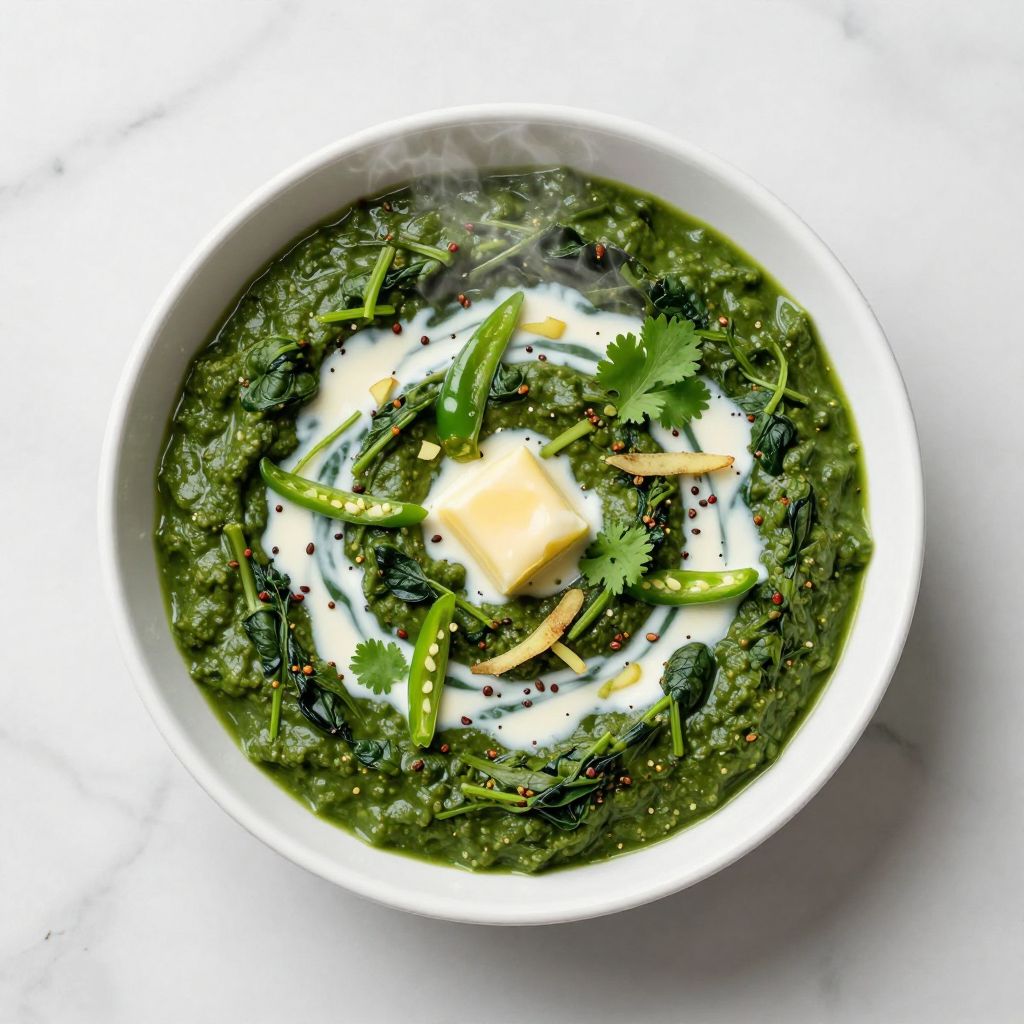
Saag
Ingredients
Equipment
Method
- Wash all your greens thoroughly under cold running water to remove any dirt or grit. Chop them roughly since they will be blended later.
- Bring a large pot of salted water to a rolling boil and add all the greens. Cook for 3 to 4 minutes until wilted and bright green, then immediately transfer to ice water to stop the cooking.
- Drain the blanched greens well and squeeze out excess water with your hands. Blend them to a coarse puree, leaving some texture rather than making it completely smooth.
- Heat ghee in a large skillet over medium heat until shimmering. Add cumin seeds and let them sizzle for about 30 seconds until fragrant and slightly darker.
- Add the diced onion and cook for 5 to 6 minutes until soft and golden brown at the edges. Stir in the garlic, ginger, and green chilies, cooking for another minute until fragrant.
- Reduce heat to medium low and add turmeric, coriander, and red chili powder. Stir constantly for 30 seconds to toast the spices without burning them.
- Pour the blended greens into the skillet and stir to combine with the spiced onion mixture. Add salt to taste and simmer for 8 to 10 minutes, stirring occasionally.
- Stir in the garam masala and heavy cream during the last minute of cooking. Taste and adjust salt, then remove from heat and let rest for 5 minutes before serving.