
Nothing quite compares to the smell of a pork sirloin roast browning in a hot skillet, filling your kitchen with that irresistible savory aroma that makes everyone gather around the stove. This cut delivers restaurant-quality results at home without requiring a culinary degree or hours of fussing.
Pork sirloin roast offers the perfect balance of tenderness, flavor, and affordability. It’s leaner than shoulder cuts, cooks faster than larger roasts, and stays juicy when you follow a few simple rules. Whether you’re cooking for a weeknight dinner or feeding a crowd at the weekend, this recipe proves that impressive doesn’t have to mean complicated.
The magic happens when you sear the exterior to lock in juices, then finish cooking low and slow in the oven. You’ll end up with a golden crust and a tender, flavorful interior that practically melts on your tongue. Let’s get started.
Why You’ll Love This Recipe
This pork sirloin roast recipe checks every box for home cooks seeking reliable results without stress.
- Foolproof technique that works every time if you follow the temperature guide
- Ready in under two hours from start to finish
- Minimal ingredients let the natural pork flavor shine through
- Leftovers make fantastic sandwiches, salads, or quick weeknight meals
- Impresses dinner guests while still feeling totally manageable
My Experience Making This Recipe
I discovered this cooking method years ago when a friend’s mother served roast pork at a holiday gathering. The meat was tender without being dry, something I’d struggled with before, so I asked for her secret.
Her technique was refreshingly simple: sear first, roast low and slow, then rest properly. I’ve made it dozens of times since, tweaking seasonings based on what I have on hand and what flavors I’m craving.
Every time I serve it, at least one person asks for the recipe. My family requests it monthly, which tells you everything you need to know about how reliably delicious this turns out.
Recipe Overview
- Recipe Name: Pork Sirloin Roast
- Servings: 6 to 8 people
- Prep Time: 15 minutes
- Cook Time: 50 to 60 minutes
- Total Time: About 1 hour 20 minutes plus 10 minute rest
- Course: Main Dish
- Cuisine: American
- Calories per Serving: 285
Equipment You Will Need
- Sharp chef’s knife
- Cutting board
- Paper towels
- Large oven-safe skillet (cast iron or stainless steel works best)
- Meat thermometer (instant-read preferred)
- Tongs
- Measuring spoons
- Small bowl for mixing seasonings
- Kitchen timer
Ingredients for Pork Sirloin Roast
- Pork sirloin roast: 3 to 4 pounds, bone-in or boneless
- Kosher salt: 1 tablespoon, divided
- Fresh cracked black pepper: 1 teaspoon, divided
- Garlic powder: 1 teaspoon
- Onion powder: 1 teaspoon
- Dried thyme: 1 teaspoon
- Olive oil: 2 tablespoons
- Unsalted butter: 1 tablespoon
- Fresh rosemary sprigs: 3 to 4 sprigs (optional but recommended)
Ingredient Notes and Substitutions
- Pork sirloin roast: The sirloin is leaner than shoulder cuts, so it cooks quickly and stays relatively lean. You can substitute with pork loin or rib roast, though cook times may shift slightly based on thickness.
- Kosher salt: It dissolves faster and distributes more evenly than table salt. If you only have table salt, use 0.75 tablespoon instead since table salt is denser and saltier.
- Fresh rosemary: This herb pairs beautifully with pork and adds aromatic depth. If unavailable, substitute with fresh thyme or sage, using about the same quantity.
- Olive oil: High heat cooking works best with oils that have high smoke points. You can swap for avocado oil or refined vegetable oil without changing the flavor significantly.
- Garlic and onion powder: These provide concentrated flavor without adding moisture. Fresh minced garlic and onion can work, but add them after searing to avoid burning.
How to Make Pork Sirloin Roast
Step 1: Remove the Roast from the Refrigerator
Take your pork sirloin roast out of the refrigerator about 30 minutes before cooking. Letting it come closer to room temperature ensures even cooking throughout the entire roast, preventing a cold center when the exterior finishes.
Step 2: Pat the Roast Completely Dry
Use paper towels to pat the roast thoroughly dry on all sides. Moisture on the surface prevents browning, so this step directly impacts whether you get that golden crust you’re after.
Step 3: Season the Roast Generously
In a small bowl, mix together garlic powder, onion powder, dried thyme, and half of your black pepper. Rub this mixture all over the roast, then sprinkle with kosher salt on all sides, using about 0.75 tablespoon.
The salt starts breaking down muscle proteins, which helps the meat retain moisture during cooking. Don’t be shy with seasoning; it only stays on the outside and won’t penetrate deeply.
Step 4: Heat Your Skillet Over High Heat
Place a large oven-safe skillet over high heat and let it get smoking hot, about 2 to 3 minutes. A properly heated pan is crucial for developing that flavorful brown crust through a process called the Maillard reaction.
Step 5: Sear the Roast on All Sides
Add olive oil to the hot skillet, then immediately place the roast in the pan. Sear without moving it for about 2 to 3 minutes until the bottom develops a deep golden brown color.
Flip and sear the opposite side for another 2 to 3 minutes, then sear the ends for 1 to 2 minutes each. Transfer to a plate and set aside while you prepare for the oven phase.
Step 6: Add Butter and Aromatics to the Skillet
Place the skillet back over medium heat and add butter. Add rosemary sprigs to the melting butter and let them infuse the fat for about 30 seconds until fragrant.
This aromatics-infused butter will baste the roast during cooking and add incredible depth to the pan drippings you can use for gravy later.
Step 7: Return the Roast to the Skillet
Place the seared roast back into the skillet, nestling it among the rosemary sprigs and buttery drippings. Tilt the pan slightly and use a spoon to baste the top and sides with the melted butter several times.
Step 8: Transfer to the Oven and Roast
Place the entire skillet in a preheated 325 degree Fahrenheit oven. Roast for 50 to 60 minutes, basting with pan drippings every 15 minutes, until the internal temperature reaches 145 degrees Fahrenheit at the thickest part.
This lower temperature prevents the meat from drying out while still cooking it through properly. Pork is safe to eat at 145 degrees, which leaves it slightly pink inside for juiciness.
Step 9: Rest the Roast Before Slicing
Remove the skillet from the oven and transfer the roast to a clean cutting board. Let it rest for at least 10 minutes without cutting into it.
Resting allows the juices to redistribute throughout the meat instead of running out onto your cutting board. Those resting juices make an enormous difference in the final tenderness and flavor of each slice.
Pro Tip: Use an instant-read meat thermometer inserted into the thickest part of the roast without touching bone for the most accurate doneness check, and remember that the temperature will climb a few degrees during resting, so pull it out when it hits 140 degrees Fahrenheit.
Tips for the Best Pork Sirloin Roast
- Invest in a quality meat thermometer and use it every single time. Guessing leads to overcooked, dry pork or undercooked meat, both of which ruin the meal.
- Don’t skip the resting period, even if you’re hungry. This 10 minute window transforms your roast from good to genuinely restaurant-quality.
- Baste the roast every 15 minutes with pan drippings to keep the exterior moist and build complex flavors. The butter basting creates a beautiful mahogany crust.
- Choose bone-in sirloin when possible because the bone conducts heat and adds flavor to the meat around it. Boneless works fine, but bone-in delivers superior results.
- Keep your oven temperature at 325 degrees Fahrenheit for consistent results. Higher heat risks drying out the exterior before the inside cooks through.
- Save those pan drippings for gravy or sauce. Strain them, let the fat rise to the top, and you have liquid gold for serving alongside your roast.
Common Mistakes to Avoid
- Skipping the sear step in favor of going straight to the oven. Searing creates the flavorful crust that makes this dish special, so never skip it.
- Cooking at temperatures above 350 degrees Fahrenheit. This dries out the exterior before the interior finishes cooking, leaving you with tough, stringy pork.
- Not patting the roast dry before seasoning and searing. Moisture prevents browning and leads to steaming instead of searing.
- Cutting into the roast immediately after removing it from the oven. This releases all the juices onto your cutting board instead of keeping them in the meat.
- Using a dull knife to slice the finished roast. Dull blades shred the meat fibers, making each slice look ragged and unappetizing.
Serving Suggestions
Serve your pork sirloin roast with sides that complement its rich, savory flavors without overwhelming the meat. The pan drippings work beautifully as a light sauce for everything on the plate.
- Creamy mashed potatoes with garlic and thyme to catch the pan juices
- Roasted Brussels sprouts with balsamic glaze for a bitter contrast
- Buttered egg noodles or wild rice pilaf
- Roasted root vegetables like carrots, parsnips, and sweet potatoes
- Fresh green salad with a light vinaigrette to balance the richness
Variations to Try
- Dijon mustard crust: Mix Dijon mustard with honey and brush it over the roast during the last 15 minutes of cooking for a tangy, slightly sweet finish that pairs beautifully with the pork.
- Asian-inspired roast: Replace the traditional seasonings with soy sauce, ginger, garlic, and five spice powder, then serve with sesame oil drizzle and scallion garnish for a completely different flavor profile.
- Coffee-rubbed roast: Mix ground coffee with brown sugar, cumin, and chili powder for a rub that adds unexpected depth and subtle bitterness that enhances pork’s natural flavors.
- Apple and maple glazed: Baste the roast during the final 20 minutes with a mixture of apple cider, maple syrup, and Dijon mustard for a sweet and savory combination that feels festive.
- Citrus herb roast: Add lemon zest, orange zest, and fresh sage to your seasoning mixture, then squeeze fresh citrus juice over the roast while it rests for brightness that cuts through the richness.
Dietary Adaptations
- Gluten-free: This recipe is naturally gluten-free as written, so no changes needed unless you’re using store-bought seasonings that contain gluten; check labels carefully.
- Dairy-free: Replace the butter with olive oil or ghee in the same amount, and the rest of the recipe remains completely dairy-free.
- Low-carb or keto: Pork sirloin is an excellent keto protein with zero carbs, so this recipe works perfectly as-is when paired with low-carb vegetable sides.
- Vegetarian or vegan: This recipe centers on meat, so substitutions become impractical; consider making a hearty vegetable roast with similar cooking techniques instead.
Storage and Reheating
Refrigerator
Store leftover roast in an airtight container or wrapped tightly in plastic wrap for up to 3 days. Slice it before storing to make reheating faster and more even.
- Store pan drippings separately in a covered container
- Keep slices stacked with parchment between layers to prevent sticking
- Cold pork slices work beautifully in sandwiches or salads
Freezer
Wrap the cooled roast tightly in plastic wrap, then place it in a freezer bag with the air pressed out. Label with the date and freeze for up to 3 months.
- Freeze pan drippings in ice cube trays, then transfer frozen cubes to freezer bags for easy portioning
- Slice the roast before freezing for quicker thawing
- Thaw overnight in the refrigerator before reheating
Reheating
Reheat sliced pork gently to preserve tenderness and prevent drying. The oven method works best for maintaining moisture and texture.
- Oven method: Place slices on a baking sheet, add a splash of water or pan drippings, cover with foil, and heat at 325 degrees Fahrenheit for 10 to 15 minutes
- Stovetop method: Warm slices in a skillet over medium-low heat with a bit of butter or pan drippings for 3 to 5 minutes
- Microwave method: Place on a microwave-safe plate, cover loosely, and heat in 30 second intervals, checking between each one
Nutrition Information
| Nutrient | Amount |
|---|---|
| Calories | 285 |
| Total Fat | 14g |
| Saturated Fat | 5g |
| Carbohydrates | 0g |
| Fiber | 0g |
| Sugar | 0g |
| Protein | 38g |
| Sodium | 620mg |
| Cholesterol | 95mg |
This nutrition information is calculated based on a 3.5 pound roast serving 8 people. Actual values vary based on roast size, specific cut, and fat content of your particular piece of meat.
Frequently Asked Questions
Can I Make This Roast on a Stovetop Only Without an Oven?
Yes, you can cover the skillet with a lid after searing and simmer on low heat for about 45 to 50 minutes instead of using the oven. Check the internal temperature regularly to avoid overcooking since stovetop heat is less even than an oven.
What’s the Difference Between Pork Sirloin and Pork Loin?
Pork sirloin comes from the rear hip area and is slightly fattier with more flavor, while pork loin comes from the back and is very lean. Both work with this recipe, though loin may cook slightly faster due to being leaner.
How Do I Know When the Roast Is Cooked Through?
Use a meat thermometer inserted into the thickest part without touching bone. The roast is safely cooked at 145 degrees Fahrenheit, which leaves it slightly pink and incredibly juicy.
Can I Prepare This Roast the Night Before?
Yes, you can season the roast the evening before and cover it tightly in plastic wrap in the refrigerator. Just remember to take it out about 30 minutes before cooking to let it come closer to room temperature.
What Should I Do With the Pan Drippings?
Strain the drippings through a fine mesh sieve to remove herb pieces. Skim off some of the fat if you prefer a leaner sauce, then serve warm alongside the sliced roast as a light pan sauce.
Can I Cook a Larger Roast Using This Method?
Yes, but increase the oven roasting time by about 10 to 15 minutes per pound. For a 5 pound roast, plan on 60 to 75 minutes of roasting time after the initial sear, and always verify doneness with a meat thermometer.
Final Thoughts
This pork sirloin roast recipe deserves a permanent spot in your weeknight and weekend cooking rotation. Once you nail this technique, you’ll find yourself making it monthly because it delivers impressive results every single time.
The beauty of this roast is its simplicity combined with professional quality flavor that makes everyone around your table feel special. Pull out that meat thermometer, follow the steps, and get ready for some serious kitchen kudos.
If you enjoyed this recipe, you might also love exploring other fantastic pork recipes. Try our smoked pork loin recipe for weekend entertaining or discover our pork chop supreme recipe for faster weeknight dinners. Both offer the same reliable, delicious approach that makes home cooking feel effortless.
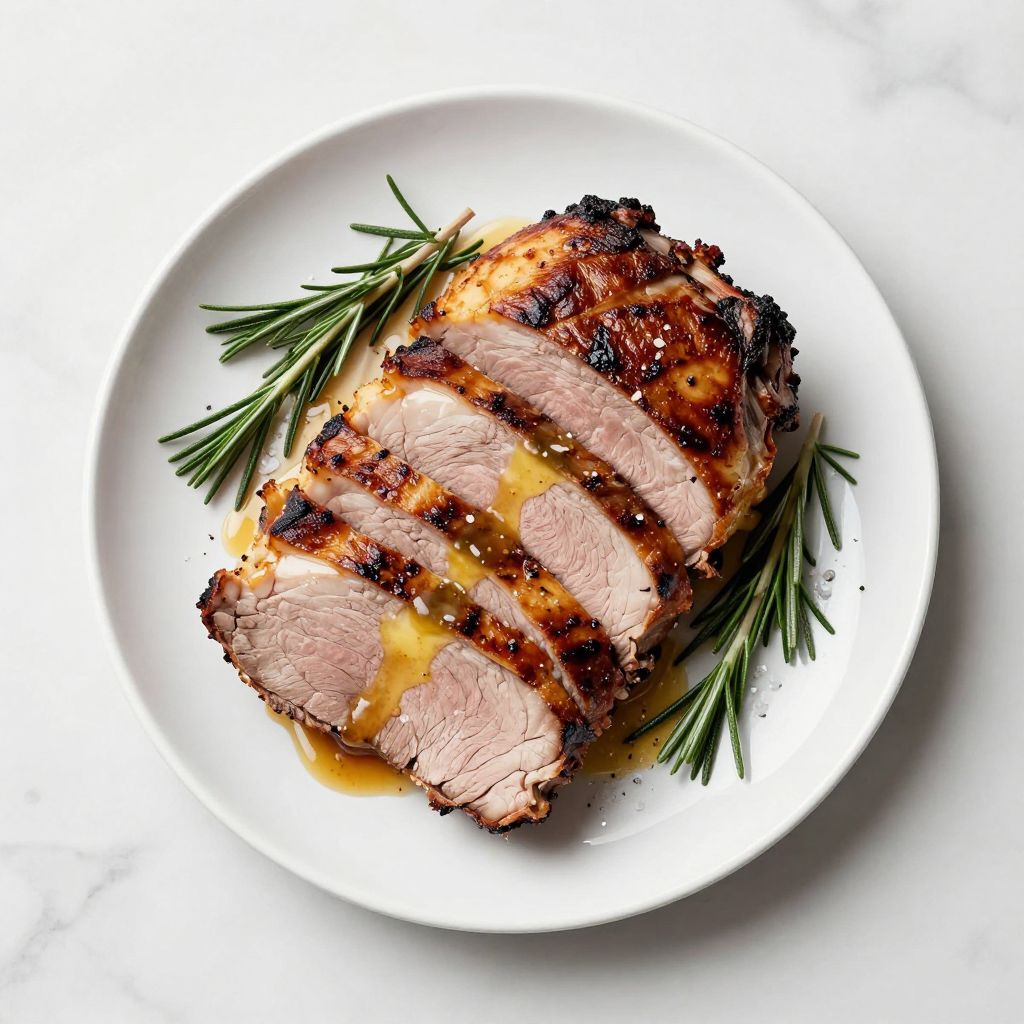
Pork Sirloin Roast
Ingredients
Equipment
Method
- Remove the pork sirloin roast from the refrigerator 30 minutes before cooking to bring it closer to room temperature.
- Pat the roast completely dry with paper towels to ensure proper browning and crust formation.
- In a small bowl, mix garlic powder, onion powder, dried thyme, and half of the black pepper. Rub the mixture all over the roast, then sprinkle with 0.75 tablespoon kosher salt and the remaining pepper.
- Heat a large oven‐safe skillet over high heat for 2 to 3 minutes until smoking hot.
- Add olive oil to the hot skillet and sear the roast for 2 to 3 minutes on the bottom, 2 to 3 minutes on the top, and 1 to 2 minutes on each end until deeply golden brown.
- Reduce heat to medium, add unsalted butter and rosemary sprigs, and let the butter infuse with the aromatics for 30 seconds.
- Return the roast to the skillet, tilt the pan, and baste the top and sides with melted butter and rosemary drippings.
- Transfer the skillet to a preheated 325°F oven and roast for 60 minutes, basting with pan drippings every 15 minutes, until the internal temperature reaches 145°F.
- Remove the roast from the oven and let it rest on a cutting board for 10 minutes before slicing to allow juices to redistribute.