
There’s something magical about the smell of smoke curling around a perfectly seasoned pork loin, filling your backyard with an aroma that makes neighbors peek over the fence.
Smoked pork loin is one of those dishes that looks impressive but doesn’t demand your constant attention, making it perfect for weekend cookouts or when you want to impress without the stress. The meat turns tender, juicy, and deeply flavored from hours of low-and-slow smoking, while the exterior develops a beautiful smoky crust that seals in all those delicious juices.
Why You’ll Love This Recipe
This recipe delivers restaurant-quality results from your own backyard without complicated techniques or rare ingredients. The smoked pork loin is versatile, impressive, and honestly quite forgiving if you stay within reasonable temperature ranges.
- Tender, juicy meat with a smoky, savory crust that rivals any barbecue joint
- Minimal hands-on time once the loin hits the smoker, leaving you free to relax
- Leftovers slice perfectly for sandwiches, salads, or quick dinners throughout the week
- Works for casual family meals, backyard gatherings, or fancy dinner parties
- Affordable compared to brisket or ribs while delivering equally impressive flavor
My Experience Making This Recipe
The first time I smoked a pork loin, I was honestly nervous about drying it out. I’d heard the horror stories about overcooked pork, but I followed the temperature guidelines religiously and pulled it at 145 degrees internal temperature, and the result was stunning.
The meat had this incredible smoke ring underneath the bark, and when we sliced into it, the juices ran clear and the texture was buttery soft. My sister asked for the recipe right there at the table, which is always a good sign.
Since that first attempt, I’ve made smoked pork loin at least a dozen times, tweaking the rub and experimenting with different wood. Apple wood gives it a subtle sweetness, while hickory brings that classic, bold smokiness you expect from traditional barbecue.
Recipe Overview
- Recipe Name: Smoked Pork Loin
- Servings: 8 to 10
- Prep Time: 20 minutes
- Cook Time: 3 to 4 hours
- Total Time: 3 hours 40 minutes to 4 hours 20 minutes
- Course: Main Dish
- Cuisine: American Barbecue
- Calories per Serving: 285
Equipment You Will Need
- Smoker (offset firebox, drum, or electric)
- Meat thermometer (instant-read preferred)
- Cutting board (large)
- Sharp knife
- Small mixing bowl
- Pastry brush or spray bottle (for applying liquid smoke if desired)
- Aluminum foil
- Tongs or meat fork
- Drip pan or water pan for smoker
Ingredients for Smoked Pork Loin
For the Pork and Rub
- 1 whole pork loin (4 to 5 pounds)
- 3 tablespoons brown sugar
- 2 tablespoons paprika
- 2 tablespoons kosher salt
- 1 tablespoon black pepper
- 1 tablespoon garlic powder
- 1 tablespoon onion powder
- 1 teaspoon cayenne pepper
- 1 teaspoon dry mustard powder
For Smoking
- 2 cups wood chips or chunks (apple, hickory, or oak)
- 1 cup water or apple juice (for the water pan)
Ingredient Notes and Substitutions
- Pork Loin: This lean cut stays juicy when smoked low and slow, and buying a whole loin is more affordable than pre-cut steaks. You can substitute a pork tenderloin if you prefer a smaller cook, though cooking time will drop to 1.5 to 2 hours.
- Brown Sugar: Brown sugar adds sweetness and helps form the bark, creating that caramelized exterior. White sugar or honey work fine, though honey adds more moisture and slightly different flavor.
- Paprika: Paprika brings color, mild pepper flavor, and a hint of smokiness. Smoked paprika intensifies this effect, so use 1 tablespoon smoked paprika plus 1 tablespoon regular paprika if you want extra depth.
- Wood Chips: Apple wood is mild and slightly sweet, hickory is bold and traditional, and oak is in between. Mix and match based on what you have, avoiding softwoods like pine or fir that leave bitter residue.
- Water Pan: The water pan keeps the smoker moist and prevents the exterior from hardening too fast. Apple juice adds subtle flavor without changing the dynamics.
How to Make Smoked Pork Loin
Step 1: Prepare the Pork Loin
Remove the pork loin from the refrigerator and let it sit at room temperature for about 30 minutes. This allows the meat to cook more evenly and helps the seasoning penetrate deeper since the surface won’t be ice-cold when it hits the heat.
Step 2: Mix Your Dry Rub
Combine brown sugar, paprika, kosher salt, black pepper, garlic powder, onion powder, cayenne, and dry mustard in a small bowl and stir well. The brown sugar should be lump-free so it distributes evenly and helps create that beautiful bark.
Step 3: Apply the Rub
Pat the pork loin dry with paper towels, then massage the rub all over the meat, covering every surface thoroughly. Work the seasoning into any crevices and don’t be shy; a generous, even coating is what builds flavor and that signature smoky crust.
Step 4: Prepare Your Smoker
Set up your smoker for indirect heat at 225 to 250 degrees Fahrenheit, and fill the water pan with water or apple juice. Let the smoker reach temperature and stabilize for about 15 minutes; consistency in temperature matters far more than hitting exact numbers.
Step 5: Soak Your Wood
If using wood chips, soak them in water for at least 30 minutes (wood chunks can go unsoaked). Soaked chips smolder longer and produce more smoke, while dry wood burns hot and fast, which isn’t ideal for extended smoking.
Step 6: Load the Wood and Place the Pork
Add the drained wood chips to your smoker’s firebox or smoking chamber according to your smoker’s design. Once smoke is rolling, place the seasoned pork loin on the grate, fat-side up if there’s a fat cap, positioning it away from direct heat.
Step 7: Monitor Temperature Without Opening
Insert your meat thermometer into the thickest part of the loin without touching bone, then leave the smoker alone for at least 1 to 1.5 hours. Opening the door releases heat and smoke, disrupting the cooking environment and adding unnecessary time to the process.
Step 8: Add More Wood Every 45 Minutes
Every 45 minutes, add a handful of fresh soaked wood chips to maintain consistent smoke throughout the cook. If your smoker has a thermometer window, use it to check internal temperature without opening the lid.
Step 9: Pull When Internal Temperature Hits 145 Degrees
After 3 to 4 hours, the pork loin should reach an internal temperature of 145 degrees Fahrenheit at its thickest point. This slight pink in the center keeps the meat juicy and tender; pulling at 160 degrees results in dry, tough meat that’s no fun to eat.
Step 10: Rest the Loin Before Slicing
Transfer the pork loin to a cutting board and tent loosely with aluminum foil, then let it rest for 10 to 15 minutes. Resting allows the juices to redistribute throughout the meat instead of running all over your cutting board, making every slice moist and tender.
Step 11: Slice and Serve
Once rested, slice the pork loin against the grain into half-inch thick slices using a sharp knife. Serve warm and watch your guests dive in; you’ve earned the praise.
Pro Tip: Don’t skip the rest period; it’s the difference between juicy, perfect pork and dry, disappointing meat. Those 10 minutes are non-negotiable.
Tips for the Best Smoked Pork Loin
- Keep your smoker at 225 to 250 degrees; higher temps risk drying out the lean meat, while lower temps extend cook time unpredictably. A reliable thermometer on the grate near your meat (not just the smoker’s built-in gauge) keeps you accurate.
- Buy a whole pork loin instead of smaller portions; they’re significantly cheaper and cook more evenly than individual cuts. Trim any silver skin on the surface so the rub contacts the meat directly.
- Use the spritz method if your loin stalls around 140 degrees; spray it every 15 minutes with a mix of apple juice and butter to add moisture and flavor while it finishes cooking. This jumpstarts carryover cooking without drying the surface.
- Invest in a good instant-read thermometer and use it every 30 minutes during the final hour; guessing leads to either overcooked dry meat or undercooked pork. Insert the probe into the thickest part without touching bone, holding it steady for a few seconds.
- Serve sliced pork loin with a simple finishing sauce or compound butter to add moisture and flavor without masking the smoke. A drizzle of apple cider vinegar or a light glaze keeps things interesting.
- Make extra and slice the leftovers thin; cold smoked pork sandwiches are incredible and reheat beautifully for quick lunches throughout the week.
Common Mistakes to Avoid
- Pulling the pork at 160 degrees or higher: Pork loin is lean, and overcooking makes it tough and flavorless no matter how good your technique. Modern food safety guidelines allow 145 degrees, which includes a tiny pink center that stays moist and tender.
- Opening the smoker too often: Every peek releases heat and smoke, extending cook time by 15 minutes or more. Trust your thermometer, set a timer, and only check when necessary.
- Skipping the rest period: Slicing immediately after smoking forces all the juices out onto the board. Those 10 to 15 minutes at rest make the difference between moist and disappointing meat.
- Using unseasoned wood or softwood: Pine, fir, and other softwoods impart bitter, unpleasant flavors and can be unsafe to eat. Stick to hardwoods like apple, hickory, oak, or cherry.
- Not trimming silver skin: This thin, chewy membrane won’t break down during smoking and creates unpleasant texture. Remove it with a sharp knife before applying your rub.
Serving Suggestions
Smoked pork loin pairs beautifully with sides that complement its rich, savory flavor without overwhelming it. Consider what balances the smokiness and richness of the meat.
- Creamy coleslaw with vinegar-based dressing cuts through the richness and adds bright acidity
- Baked beans or black-eyed peas bring southern comfort and pair traditionally with smoked meat
- Grilled corn with herb butter or cotija cheese adds sweetness and a fresh contrast
- Roasted root vegetables like carrots, parsnips, and beets echo the caramelized bark flavors
- Simple green salad with lemon vinaigrette provides lightness and freshness against the smoke
Variations to Try
- Maple-Bourbon Glaze: During the last 30 minutes of smoking, brush the loin with a glaze made from maple syrup, bourbon, Dijon mustard, and apple cider vinegar. This adds a glossy finish and sweet-smoky-spicy depth that’s restaurant-worthy.
- Coffee-Rubbed Pork: Replace half the brown sugar with finely ground coffee in your rub; coffee intensifies savory flavors and adds subtle bitterness that complements smoke. The result is more complex and slightly earthier than the standard rub.
- Asian-Inspired Version: Mix soy sauce, ginger, garlic, and a touch of sesame oil into a paste, then brush it onto the loin before smoking. Serve with a ginger-scallion oil drizzle for an entirely different flavor profile that’s still delicious.
- Spicy Chipotle Rub: Add 2 tablespoons ground chipotle powder and 1 tablespoon smoked paprika to your base rub, then finish with a lime crema drizzle. The heat builds flavor without overwhelming, and the lime brings brightness.
- Herb-Crusted: After applying your base rub, press fresh rosemary, thyme, and sage onto the loin while the rub is still tacky. The herbs char slightly during smoking and add aromatic complexity.
Dietary Adaptations
- Gluten-Free: Ensure your dry mustard powder, paprika, and any store-bought rub mixes are certified gluten-free. Most pure spices are naturally gluten-free, but cross-contamination in processing happens, so check labels.
- Dairy-Free: The basic recipe contains no dairy, so it’s naturally dairy-free. If serving with a glaze or sauce, avoid butter-based versions and use oil instead.
- Vegan/Vegetarian: Substitute with a thick-cut block of extra-firm tofu or a plant-based pork alternative and reduce cooking time to 1 to 1.5 hours. The texture won’t be identical, but the smoking technique creates satisfying depth.
- Low-Carb/Keto: The recipe is already low-carb; simply skip sugary glazes or use a sugar-free maple syrup alternative. The brown sugar in the rub is minimal per serving, but reduce it by half if being strict about carbs.
Storage and Reheating
Refrigerator
Slice or shred the cooled pork loin and store it in an airtight container for up to 4 days. The meat stays moist and slices cleanly when chilled, making it perfect for sandwiches or quick meals.
- Keep sliced pork in a shallow container to cool quickly and prevent bacterial growth
- Save any drippings separately to pour over reheated portions for extra moisture
Freezer
Wrap the whole loin tightly in plastic wrap, then aluminum foil, and freeze for up to 3 months. Sliced or shredded pork freezes in freezer bags and defrosts faster than a whole piece.
- Flatten sliced pork in a freezer bag so it thaws evenly in about 24 hours in the refrigerator
- Label with the date so you remember how long it’s been stored
Reheating
Thaw frozen pork overnight in the refrigerator, then reheat gently to preserve moisture and flavor. Low, slow heat works better than high temperature for keeping the meat tender.
- Slice the loin and warm it in a covered skillet with a splash of broth or apple juice over medium-low heat for 5 to 8 minutes
- Wrap whole loins in foil and warm in a 300-degree oven for 15 to 20 minutes until heated through
- Shredded pork reheats quickly in the microwave covered with a damp paper towel, about 2 to 3 minutes
Nutrition Information
| Nutrient | Amount |
|---|---|
| Calories | 285 |
| Total Fat | 12g |
| Saturated Fat | 4g |
| Carbohydrates | 2g |
| Fiber | 0g |
| Sugar | 1g |
| Protein | 38g |
| Sodium | 420mg |
| Cholesterol | 85mg |
These values are approximate and based on a 4.5-pound pork loin divided into 9 servings. Actual nutrition varies based on trim level and portion size.
Frequently Asked Questions
Can I use a pellet smoker instead of charcoal?
Absolutely; pellet smokers maintain temperature automatically and produce consistent smoke. Cook times stay about the same, though pellet smokers sometimes cook slightly faster due to their efficiency.
What if my pork loin stalls at 140 degrees?
The stall is normal and happens as moisture evaporates from the surface. Push through by spritzing with apple juice every 15 minutes, wrapping loosely in foil, or simply being patient; the loin will continue cooking, just slowly.
How long can I keep the rub on the pork before smoking?
Apply the rub anywhere from
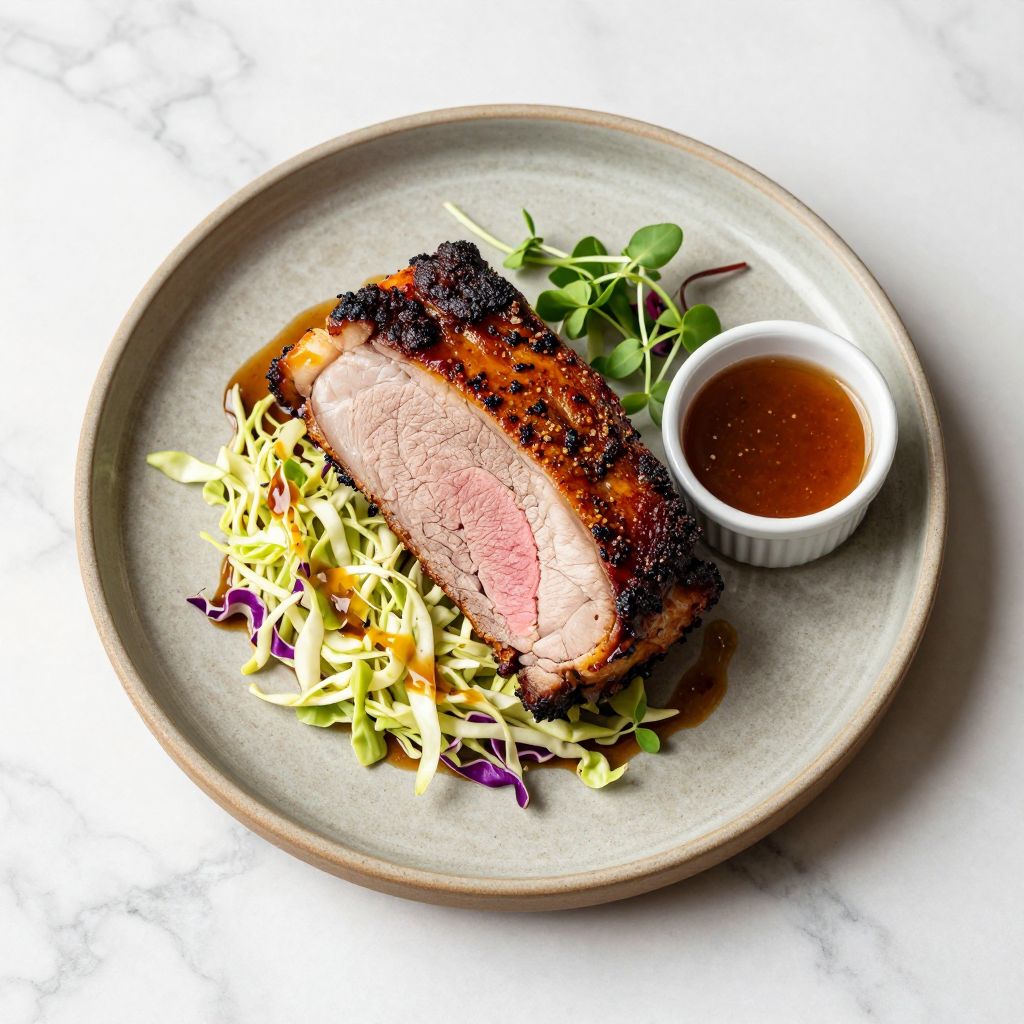
Smoked Pork Loin
Ingredients
Equipment
Method
- Remove the pork loin from the refrigerator and let it sit at room temperature for about 30 minutes.
- Combine brown sugar, paprika, kosher salt, black pepper, garlic powder, onion powder, cayenne, and dry mustard in a small bowl and stir well.
- Pat the pork loin dry with paper towels, then massage the rub all over the meat, covering every surface thoroughly.
- Set up your smoker for indirect heat at 225 to 250 degrees Fahrenheit, and fill the water pan with water or apple juice. Let the smoker reach temperature and stabilize for about 15 minutes.
- If using wood chips, soak them in water for at least 30 minutes.
- Add the drained wood chips to your smoker's firebox or smoking chamber. Once smoke is rolling, place the seasoned pork loin on the grate, fat-side up, positioning it away from direct heat.
- Insert your meat thermometer into the thickest part of the loin without touching bone, then leave the smoker alone for at least 1 to 1.5 hours.
- Every 45 minutes, add a handful of fresh soaked wood chips to maintain consistent smoke throughout the cook.
- After 3 to 4 hours, the pork loin should reach an internal temperature of 145 degrees Fahrenheit at its thickest point.
- Transfer the pork loin to a cutting board and tent loosely with aluminum foil, then let it rest for 10 to 15 minutes.
- Once rested, slice the pork loin against the grain into half-inch thick slices using a sharp knife and serve warm.