
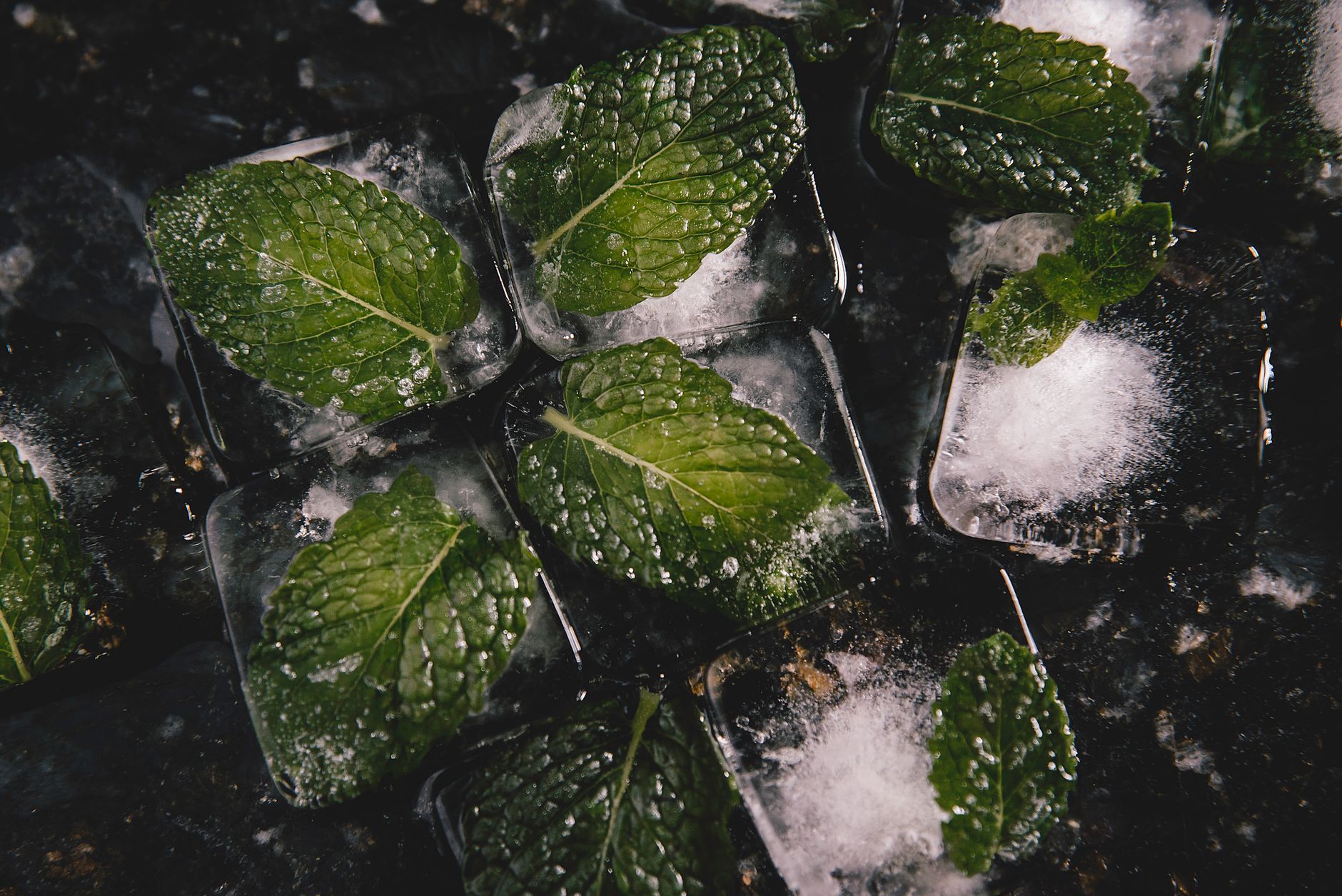
Many home cooks find fresh herbs essential for adding flavor to dishes, but what happens when you have an abundance? Freezing is an excellent preservation method that allows you to capture the essence of these herbs even when they are out of season. This article explores the considerations for freezing fresh herbs, effective storage techniques, and thawing tips to ensure you enjoy their flavors year-round.
Here, we’ll delve into which herbs freeze well, how to prepare them for freezing, and tips for using them in your cooking. Whether you’re looking to extend the life of your fresh herbs or want to stock up for future recipes, this guide will equip you with all the knowledge you need.
Can You Freeze Fresh Herbs?
Yes, you can freeze fresh herbs. Freezing retains their flavor and aroma, making them useful even months after being harvested. However, some herbs freeze better than others, and proper preparation is crucial to maintain their quality. Learn more about which herbs to freeze and how to do it effectively.
Which Fresh Herbs Freeze Well?
Most fresh herbs can be frozen, but some retain their flavor and texture better than others. Here’s a list of popular herbs that freeze well:
- Basil: Great for pesto and sauces.
- Cilantro: Perfect for salsas and soups.
- Parsley: Versatile for garnishes and stocks.
- Chives: Great for soups, salads, and eggs.
- Thyme: Perfect for stews and roasted dishes.
- Oregano: Excellent for Italian dishes and marinades.
- Dill: Perfect for pickles and seafood dishes.
Herbs like rosemary and sage can also be frozen, but their texture may change slightly upon thawing. On the contrary, herbs with high water content, such as mint and tarragon, may not yield desirable results after freezing.
Preparing Fresh Herbs for Freezing
Proper preparation is key to freezing herbs effectively. Follow these steps to ensure optimal flavor preservation:
- Wash the Herbs: Rinse the fresh herbs under cold water to remove any dirt and residues. Pat them dry with a clean kitchen towel or paper towels.
- Remove Leaves from Stems: For most herbs, separating the leaves from the stems is beneficial. The leaves freeze better than the stems, although some cooks may freeze smaller stems of more robust herbs.
- Chop or Leave Whole: Decide on how you want to use the herbs later. Some prefer chopping them for easy incorporation into recipes, while others may freeze them whole.
- Blanching (Optional): Some herbs benefit from blanching for a brief period. This process helps to preserve their color and flavor. Blanch herbs like basil or spinach for about 2-3 minutes, then plunge them into ice water to stop the cooking process. Pat them dry afterward.
Best Freezing Methods for Herbs
Once your herbs are prepared, you have a couple of effective freezing options:
Freezing in Bags
This method is straightforward and suitable for most herbs.
- Portion the Herbs: Place the chopped or whole herbs in a zip-top freezer bag. Be sure to remove as much air as possible to prevent freezer burn.
- Label and Date: Write the name of the herb and the date you froze it on the bag. This helps you keep track of freshness.
- Freeze Flat: Lay the bag flat in the freezer for efficient storage and easy stacking. This method also makes it easier to break off portions later.
Freezing in Ice Cubes
Freezing herbs in ice cube trays allows for convenient portion sizes, especially if you often use small amounts in cooking.
- Add Herbs to Ice Trays: Place chopped herbs in the compartments of an ice cube tray, filling them about halfway.
- Cover with Liquid: Fill the compartments with water or oil until full. Oil provides a richer flavor and can be used directly in cooking.
- Freeze: Place the tray in the freezer and leave it until fully frozen, usually overnight.
- Transfer to Freezer Bags: Once frozen, pop out the herb cubes and transfer them to a zip-top freezer bag. Label it and return it to the freezer.
Thawing and Using Frozen Herbs
When you are ready to use your frozen herbs, the method of thawing can impact their texture and use. Here are some tips:
Thawing Methods
- Directly from the Freezer: If you’re adding the herbs to a hot dish, you can simply add them frozen. They will thaw quickly and blend well into soups, sauces, and stews.
- Refrigerator Thawing: For dishes that require fresh herbs, thaw them in the refrigerator for a few hours before using. This method preserves more of their flavor and aroma.
- Quick Thaw: For immediate use, you can place the frozen herbs in a bowl of warm water for a few minutes.
Using Frozen Herbs
Frozen herbs maintain their flavor but may lose some texture. Here are some ideas for incorporating them into your dishes:
- Add frozen basil cubes to pasta sauces for a burst of flavor.
- Mix frozen cilantro into salsa or guacamole right before serving.
- Stir frozen dill into fish dishes and soups for an added punch.
Frozen herbs also work wonderfully when blended into smoothies or used in salad dressings.
Common Mistakes to Avoid When Freezing Herbs
While freezing herbs is relatively simple, there are common pitfalls to avoid:
- Not Drying Herbs Properly: Excess moisture can lead to freezer burn. Always pat the herbs dry before freezing.
- Freezing Delicate Herbs Whole: Delicate herbs like basil and mint can become mushy if frozen whole. Chop them before freezing.
- Ignoring Proper Storage: Make sure to use freezer-safe bags or containers to prevent contamination from other foods.
Frequently Asked Questions About Freezing Fresh Herbs
How long can you keep frozen herbs?
Frozen herbs can typically be stored for up to six months without significant loss of flavor. However, for the best quality, use them within three to four months.
Can dried herbs be frozen?
Dried herbs do not need to be frozen and generally maintain their potency when stored in a cool, dark place in an airtight container. Freezing dried herbs can alter their flavor profile negatively.
What’s the best way to use frozen herbs in cooking?
To make the most of frozen herbs, add them directly to hot dishes or thaw them in the refrigerator for salads or garnishes. Also, consider using them in marinades and sauces where they can integrate fully.
Creative Uses for Frozen Herbs
Beyond simply adding them to dishes, frozen herbs can be creatively incorporated into a variety of culinary applications:
- Herb-infused Oils: Blend frozen herbs with olive oil to create flavorful herb oils, perfect for drizzling over meats or vegetables.
- Herb Ice Cubes for Cocktails: Make flavored ice cubes for refreshing beverages by freezing ice cube trays filled with fresh herbs and water.
- Homemade Dressings: Blend frozen herbs into vinaigrettes or creamy dressings for extra flavor.
Final Tips for Freezing Fresh Herbs Successfully
To ensure you get the most out of frozen herbs, consider these final tips:
- Always label your herbs with the date to keep track of freshness.
- For best results, freeze herbs at their peak freshness.
- Consider flavor pairings for freezing; combining related herbs (like basil and oregano) can create an exciting mix.
- Use high-quality freezer bags or airtight containers to prevent freezer burn.
Selecting the right herbs and preparing them thoughtfully can elevate your cooking experience throughout the year. Freezing fresh herbs is a practical solution to enjoying maximum flavor with minimal waste.
Now that you have a deeper understanding of how to freeze fresh herbs, it’s time to put that knowledge into practice. Stock up on your favorite herbs and ensure you have them at your fingertips for your next dish. Explore more cooking techniques and tips like freezing cooked chicken or freezing pumpkin pie to enhance your meal prep strategies!