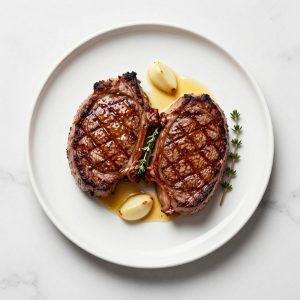
There’s something about the sizzle of a chuck eye steak hitting a hot skillet that makes everything else fade away. This underrated cut delivers rich, beefy flavor and impressive marbling at a fraction of the cost of a ribeye, making it the smart choice for anyone who refuses to compromise on taste.
Chuck eye steak is my go-to when I want restaurant-quality results without the restaurant bill. The meat’s natural tenderness and fat content mean you can nail it with simple seasoning and basic technique, yet it still feels special enough for company.
Why You’ll Love This Recipe
This recipe delivers a perfectly seared, juicy steak with a golden crust and a buttery interior. It requires minimal ingredients and comes together in under 20 minutes, making it ideal for weeknight dinners or impromptu entertaining.
- Budget-friendly alternative to premium steaks with superior flavor and tenderness
- Restaurant-quality sear with a simple cast-iron or stainless steel skillet method
- Minimal prep and hands-on time, ready in less than 20 minutes start to finish
- Naturally marbled and forgiving, nearly impossible to dry out when cooked correctly
- Pairs beautifully with simple sides or elegant sauces for any occasion
My Experience Making This Recipe
I first fell in love with chuck eye steaks at a small butcher shop that practically guaranteed I’d become a regular. The butcher explained that this cut comes from the shoulder but has the same tenderness and marbling as a ribeye, just marketed at half the price.
My first attempt at home was revelatory. The meat developed this incredible golden crust while staying impossibly tender inside, and the rendered fat created its own sauce that made butter feel optional.
I’ve made this recipe dozens of times now, and I’ve learned that timing and heat are everything. The steak doesn’t need fussing or complicated techniques, just respect for the cut and attention to the pan temperature.
Recipe Overview
- Recipe Name: Chuck Eye Steak with Pan Sear
- Servings: 2
- Prep Time: 5 minutes
- Cook Time: 12 minutes
- Total Time: 17 minutes
- Course: Main Course
- Cuisine: American
- Calories per Serving: 450
Equipment You Will Need
- Cast-iron skillet or heavy-bottomed stainless steel skillet
- Meat thermometer for accurate doneness
- Paper towels for drying the steaks
- Tongs for flipping and turning
- Cutting board for resting the steaks
- Small bowl for mixing seasonings
Ingredients for Chuck Eye Steak
- Two chuck eye steaks, 1 1/4 inches thick (about 10 to 12 ounces each)
- Kosher salt, 1 teaspoon
- Black pepper, 1/2 teaspoon, freshly ground
- Butter, 2 tablespoons
- Garlic cloves, 3, smashed
- Fresh thyme, 2 sprigs (or 1/2 teaspoon dried thyme)
- Avocado oil or vegetable oil, 1 tablespoon, for the skillet
Ingredient Notes and Substitutions
- Chuck eye steaks: This cut comes from the shoulder and offers incredible marbling and tenderness. If unavailable, ribeye steaks work perfectly but will cost more, or use shoulder steaks if your butcher has them.
- Kosher salt: Its larger crystals dissolve slowly and season evenly without over-salting. Table salt works but use about three-quarters of the amount since it’s finer and denser.
- Fresh thyme: It adds an earthy note that complements beef beautifully. Rosemary, oregano, or a mix of Italian herbs deliver different but equally delicious results.
- Butter: It creates a rich basting liquid for the final moments of cooking. Ghee or herb-infused oil work well if you’re avoiding dairy.
- Avocado oil: Its high smoke point makes it ideal for searing without burning. Use grapeseed oil, vegetable oil, or refined coconut oil as alternatives.
How to Make Chuck Eye Steak
Step 1: Remove Steaks from the Refrigerator
Take your chuck eye steaks out of the fridge 20 minutes before cooking. Bringing them to room temperature ensures even cooking throughout, preventing a cold center while the exterior sears.
Step 2: Pat the Steaks Completely Dry
Use paper towels to pat each steak dry on all sides, including the edges. Moisture on the surface prevents browning, so spending 30 seconds here makes the difference between a mediocre sear and a golden crust.
Step 3: Season the Steaks Generously
Sprinkle kosher salt and freshly ground black pepper on both sides of each steak, pressing gently so the seasoning adheres. Season just before cooking rather than far in advance, as salt can draw out moisture if it sits too long.
Step 4: Heat the Skillet Until Smoking
Place your cast-iron or stainless steel skillet over high heat and let it warm for 2 to 3 minutes until a drop of water immediately sizzles and evaporates. A properly heated pan creates the Maillard reaction that develops that incredible golden crust.
Step 5: Add Oil to the Hot Skillet
Drizzle the avocado oil into the hot skillet, tilting to coat evenly. You’ll see it shimmer and just barely smoke, which signals the pan is ready for the steaks.
Step 6: Sear the First Side
Carefully place the steaks into the skillet and resist the urge to move them for 4 to 5 minutes. Letting them sit undisturbed allows a proper crust to develop; moving them too early breaks the sear and ruins the texture.
Step 7: Flip and Sear the Second Side
Using tongs, flip the steaks and immediately add the smashed garlic cloves and thyme sprigs around them. Continue cooking for another 4 minutes for medium-rare, or adjust based on your preferred doneness and steak thickness.
Step 8: Baste with Butter
Add the butter to the skillet and tilt it toward the steaks so the melting butter pools beneath them. Spoon this buttery pan juice over the top of each steak for 1 to 2 minutes, which adds richness and ensures the top cooks evenly.
Step 9: Check Doneness with a Thermometer
Insert your meat thermometer into the center of each steak without touching bone. Remove the steaks at 130 to 135 degrees for medium-rare, which is the sweet spot for chuck eye steak where the meat stays tender and juicy.
Step 10: Rest Before Serving
Transfer the steaks to a cutting board and let them rest for 5 minutes without cutting into them. Resting allows the juices to redistribute throughout the meat, keeping every bite moist instead of bleeding liquid onto the plate.
Pro Tip: A meat thermometer removes all guesswork from doneness, but if you don’t have one, the touch method works: medium-rare feels like the fleshy area below your thumb when your hand is relaxed.
Tips for the Best Chuck Eye Steak
- Buy steaks that are at least 1 1/4 inches thick so they develop a crust before the interior overcooks. Thinner steaks cook too fast and tend to dry out.
- Ask your butcher to cut the steaks fresh on the day you plan to cook them for maximum freshness and quality. Pre-packaged steaks work fine, but fresh-cut show noticeably better marbling.
- Don’t move the steaks around the pan while they sear; let them sit undisturbed for 4 to 5 minutes per side for a proper golden crust.
- Use a cast-iron skillet if possible because it retains heat better than other pans and creates superior browning. Stainless steel works well too, but avoid non-stick for high-heat searing.
- Season just before cooking rather than hours ahead, as salt draws out moisture and can affect browning if it sits on the raw meat for too long.
- Let the meat rest after cooking; those 5 minutes make the difference between a dry, disappointing steak and one that’s juicy and tender throughout.
Common Mistakes to Avoid
- Cooking from a cold start: Room temperature meat cooks evenly; cold meat from the fridge develops a thick gray band of overcooked meat surrounding a rare center.
- Skipping the dry step: Moisture on the surface prevents proper browning, so always pat the steaks dry before they touch the hot skillet.
- Moving the steaks too much: Constant flipping and fussing prevents crust formation and extends cooking time unnecessarily.
- Overcooking past medium-rare: Chuck eye steak has enough marbling to handle medium, but beyond that it loses its signature juiciness and tender texture.
- Skipping the rest: Cutting into the steak immediately releases all the flavorful juices onto the cutting board instead of keeping them in the meat.
Serving Suggestions
Chuck eye steak pairs beautifully with simple sides that let the beef shine or elegant accompaniments for special occasions. A perfectly seared steak needs nothing more than good bread to soak up the pan juices, but here are some ideas that work wonderfully.
- Creamed spinach or sauteed mushrooms to add richness and earthiness
- Loaded baked potatoes with butter, sour cream, and fresh chives
- Crispy roasted asparagus with garlic and parmesan cheese
- A simple arugula salad with lemon vinaigrette to cut through the richness
- Garlic mashed potatoes with fresh herb finishing salt
Variations to Try
- Peppercorn Crust: Press crushed peppercorns onto the seasoned steaks before searing for a bolder pepper flavor and textured crust with restaurant-quality visual appeal.
- Coffee Rub: Mix ground coffee with salt, pepper, and brown sugar for a complex rub that adds subtle richness without tasting like coffee.
- Garlic and Rosemary Butter: Infuse butter with minced garlic and fresh rosemary for the basting step to deepen savory flavors significantly.
- Blue Cheese Topping: Top the rested steaks with crumbled blue cheese that melts from the residual heat for a luxurious, tangy finish.
- Asian-Inspired: Brush with soy sauce mixed with ginger and garlic during the final minute of cooking for a savory umami-forward flavor profile.
Dietary Adaptations
- Gluten-Free: This recipe is naturally gluten-free with no modifications needed; just verify your salt and seasonings don’t contain additives.
- Dairy-Free: Skip the butter basting or replace it with ghee, avocado oil, or your preferred cooking fat without compromising flavor.
- Vegan/Vegetarian: Substitute thick slices of eggplant or portobello mushrooms and use the same searing technique with vegetable oil for a satisfying plant-based meal.
- Low-Carb/Keto: This recipe fits perfectly into keto eating; pair it with non-starchy vegetables like broccoli or cauliflower instead of potatoes.
Storage and Reheating
Refrigerator
Store leftover steaks in an airtight container for up to 3 days. Let them cool to room temperature before refrigerating to prevent condensation buildup.
- Keep steaks whole rather than slicing them to retain moisture better during storage
- Store pan drippings in a separate container and reheat with the steak for added juiciness
Freezer
Wrap cooled steaks individually in plastic wrap, then place in a freezer bag for up to 3 months. Proper wrapping prevents freezer burn and preserves quality.
- Label the package with the date so you remember how long they’ve been frozen
- Slice frozen steaks thinly for salads or sandwiches without thawing first
Reheating
The best method is low and slow on the stovetop to avoid overcooking. Place the steak in a skillet over medium-low heat with a splash of beef broth or water, covering loosely, until warmed through about 3 to 4 minutes.
- Avoid the microwave, which dries out the meat unevenly
- Slice leftover steak thinly and serve cold on salads or in sandwiches for easier eating
Nutrition Information
| Nutrient | Amount |
|---|---|
| Calories | 450 |
| Total Fat | 32g |
| Saturated Fat | 13g |
| Carbohydrates | 0g |
| Fiber | 0g |
| Sugar | 0g |
| Protein | 52g |
| Sodium | 580mg |
| Cholesterol | 110mg |
This nutrition information is approximate and based on standard USDA data for chuck eye steak and butter. Individual values vary based on exact cut thickness and cooking method.
Frequently Asked Questions
What’s the difference between chuck eye steak and chuck roast?
Chuck eye steak is a thin slice cut from the chuck roast and is tender enough for quick cooking on high heat. Chuck roast is a larger, tougher cut best suited for slow braising and stewing, not searing on the stovetop.
Can I cook chuck eye steak in the oven instead of on the stovetop?
You can start the steak in a skillet on the stovetop to sear it, then transfer to a preheated 400-degree oven for 6 to 8 minutes. This method works well for thicker steaks or when cooking multiple steaks at once.
Why is my chuck eye steak tough even though I followed the recipe?
Overcooking is the most common culprit; use a meat thermometer and pull it at 130 to 135 degrees for medium-rare. Skipping the resting period also causes toughness because the meat fibers haven’t relaxed and juices escape when you cut immediately.
How do I know if my chuck eye steak is past its prime?
Fresh chuck eye steak has a bright red color and a light beefy smell. Discard it if it smells sour, has a dull gray appearance, or feels slimy to the touch.
Is chuck eye steak good for marinating?
It doesn’t need marinating because the cut is already naturally tender and flavorful, but you can marinate it for 4 to 8 hours if you enjoy extra flavor depth. Avoid acidic marinades for longer than 8 hours, as the acid can make the meat mushy.
What’s the best way to season chuck eye steak?
Simple salt and pepper are all you need to let the beef shine, but a steak seasoning recipe adds complex flavor. Garlic, thyme, and rosemary are classic pairings that enhance the meat without overpowering it.
Final Thoughts
Chuck eye steak has converted me into a believer that premium cuts aren’t always necessary for an exceptional meal. This recipe proves that the right technique and genuine respect for the ingredient matter far more than the price tag.
Make this steak tonight and taste the difference that a hot skillet and proper timing deliver. You’ll find yourself reaching for chuck eye again and again, not just for the budget savings, but for the genuine satisfaction it brings to your table.
Explore more delicious beef recipes on the site. Try pairing this steak with our t-bone steak recipe for a comparative tasting, or learn new seasoning techniques to keep your dinner rotation fresh and exciting.
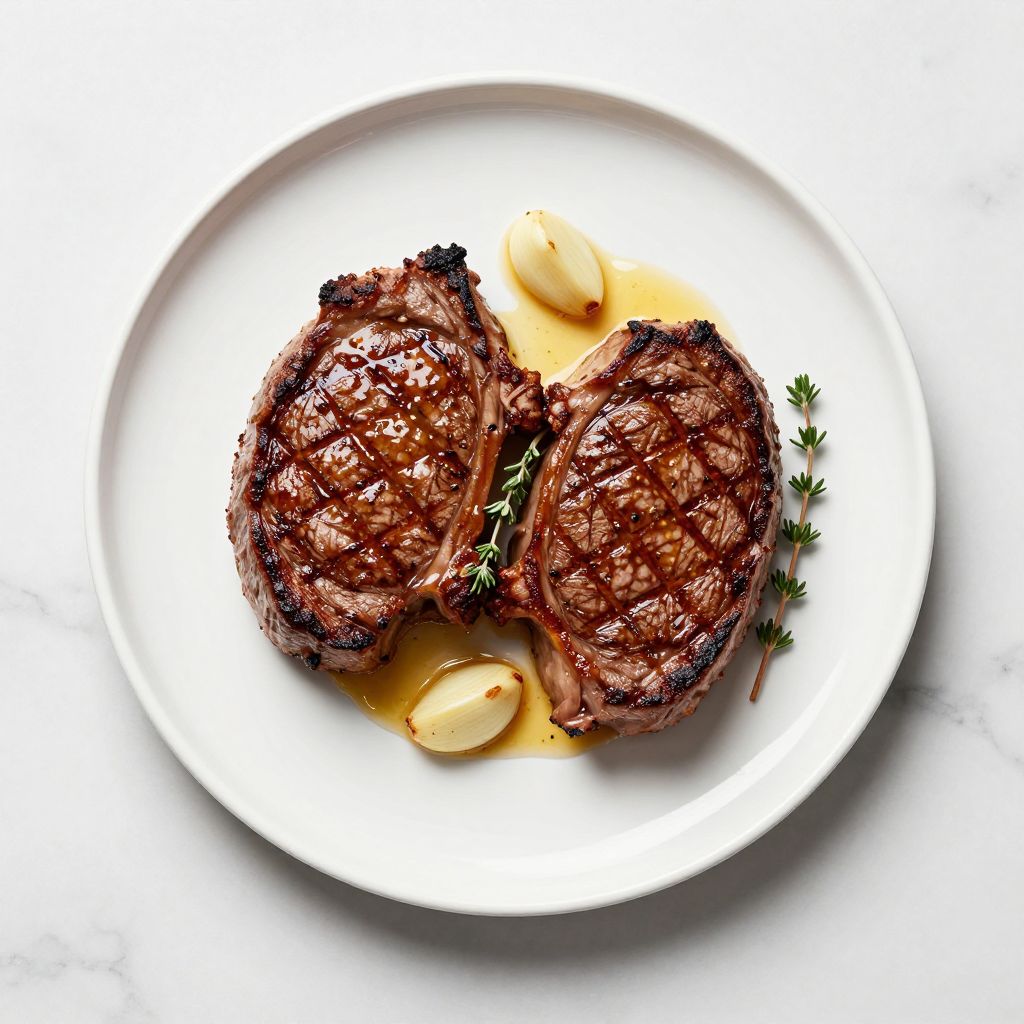
Chuck Eye Steak with Pan Sear
Ingredients
Equipment
Method
- Remove chuck eye steaks from the refrigerator and let stand at room temperature for 20 minutes.
- Pat the steaks completely dry with paper towels, including the edges.
- Season both sides of the steaks with 1 teaspoon kosher salt and 1/2 teaspoon freshly ground black pepper, pressing gently to adhere.
- Heat a cast-iron or stainless steel skillet over high heat for 2 to 3 minutes until smoking.
- Add 1 tablespoon avocado oil to the hot skillet, tilting to coat evenly and heat until shimmering.
- Place the steaks in the skillet and sear the first side undisturbed for 4 to 5 minutes to form a golden crust.
- Flip the steaks, add 3 smashed garlic cloves and 2 sprigs fresh thyme around them, and sear the second side for 4 minutes for medium-rare.
- Add 2 tablespoons butter to the skillet and tilt to pool the melted butter, basting the steaks for 1 to 2 minutes.
- Check the internal temperature with a meat thermometer, removing steaks at 130 to 135°F for medium-rare.
- Transfer the steaks to a cutting board and let rest for 5 minutes before slicing and serving.