
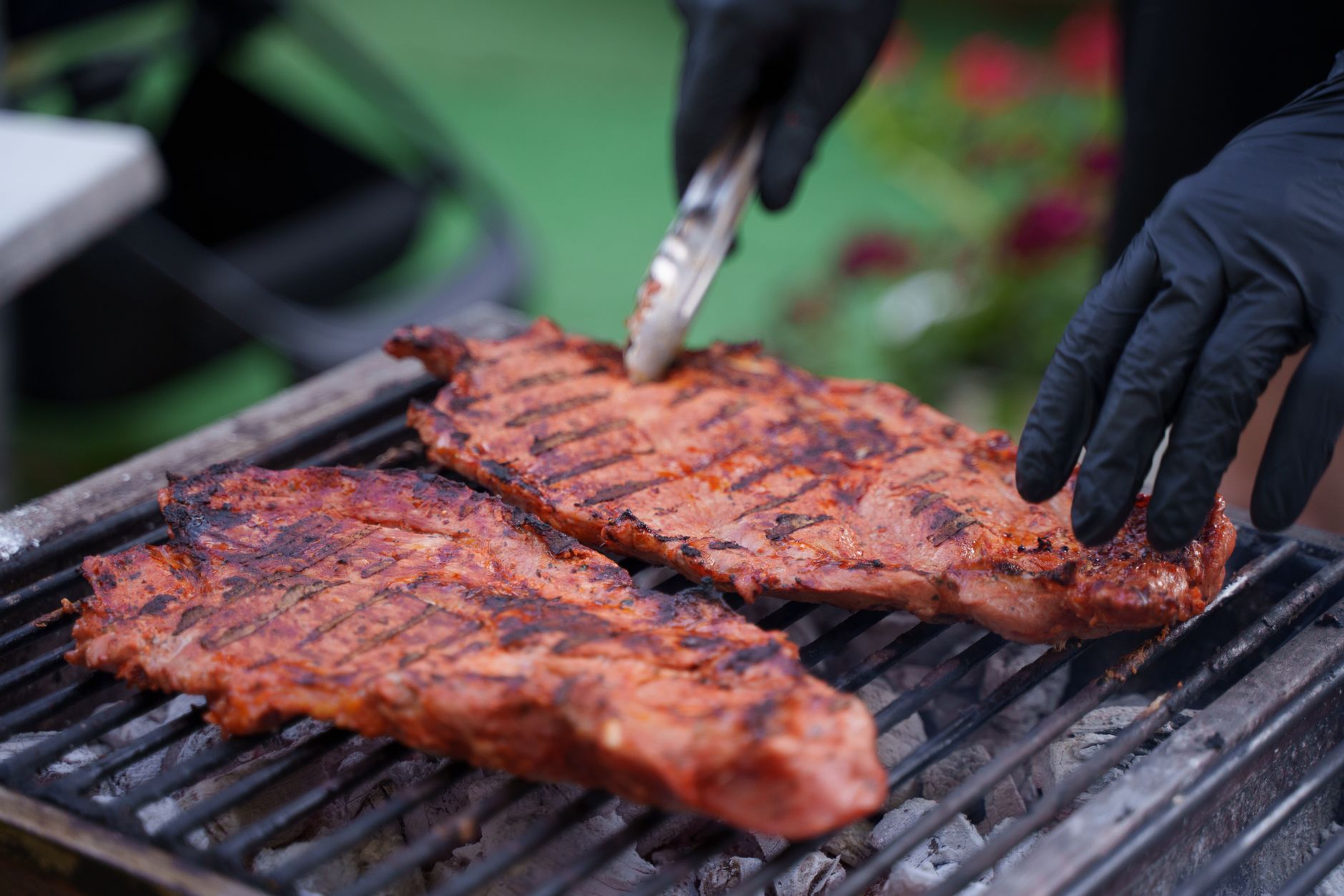
Beef is a popular choice for many meals and a highly valued source of protein. One of the lesser-known benefits of including beef in your diet is its iron content. Iron is essential for blood health and energy levels, making it a crucial mineral in our diets.
This article will explore how much iron is in beef, breaking down various cuts and preparations. We’ll also discuss the importance of iron, nutritional facts, serving sizes, and tips for maximizing iron absorption in your meals.
How Much Iron Is in Beef?
Beef is known to be one of the richest sources of heme iron, which is the more easily absorbed form of iron found in animal products. Typically, 100 grams of cooked beef contains approximately 2.7 mg of iron. However, the iron content can vary based on the cut and cooking method.
The Importance of Iron
Iron is vital for producing hemoglobin, a protein in red blood cells that carries oxygen throughout the body. Adequate iron levels help prevent anemia and fatigue, supporting overall health. Understanding the iron content in beef can be particularly beneficial for individuals at a higher risk of iron deficiency, including vegetarians, pregnant women, and children.
Iron Content in Different Cuts of Beef
Not all cuts of beef are created equal when it comes to iron content. Here’s a breakdown of the iron content in various cuts of cooked beef:
- Ground Beef (85% lean): Approximately 2.2 mg of iron per 100 grams.
- Beef Sirloin: About 2.9 mg of iron per 100 grams.
- Beef Tenderloin: Roughly 2.5 mg of iron per 100 grams.
- Ribeye Steak: Around 3.0 mg of iron per 100 grams.
- Chuck Roast: About 2.7 mg of iron per 100 grams.
- Flank Steak: Approximately 3.4 mg of iron per 100 grams.
- Beef Liver: A powerhouse containing about 6.2 mg of iron per 100 grams.
Nutritional Facts of Beef
In addition to iron, beef is a rich source of various essential nutrients. Here’s a snapshot of the nutritional content in 100 grams of cooked beef from a common cut (e.g., sirloin):
- Calories: Approximately 250
- Protein: About 26 grams
- Fat: Roughly 15 grams
- Sodium: Approximately 70 mg
- Vitamin B12: About 2.5 µg
- Zinc: Approximately 5.4 mg
As you can see, beef not only provides iron but also essential nutrients that contribute to overall health.
Factors That Affect Iron Content
Several factors can influence the iron content in beef, including:
- Cooking Method: Cooking methods like grilling and broiling can lead to some loss of iron, whereas slow cooking retains more nutrients. However, the overall iron content remains significant regardless of the cooking technique.
- Cut of Meat: As previously mentioned, different cuts of beef have varying levels of iron. Lean cuts typically have slightly less fat and may contain different amounts of iron than fatty cuts.
- Animal Diet: The diet of the animal during its life can affect the nutrient profile of the meat, including its iron content.
- Fat Content: Higher fat cuts tend to have slightly lower iron concentrations compared to lean cuts.
How to Maximize Iron Absorption
While beef is an excellent source of iron, it’s beneficial to maximize the absorption of this vital mineral. Here are some tips to enhance iron absorption:
- Pair with Vitamin C: Consuming foods rich in vitamin C, such as citrus fruits, strawberries, or bell peppers, alongside iron-rich foods can enhance absorption significantly.
- Limit Calcium and Coffee During Meals: Both calcium and caffeine can inhibit iron absorption. It’s best to consume dairy and coffee separately from iron-rich meals.
- Cook with Cast Iron Pans: Using cast iron cookware can increase the iron content in foods prepared in them, particularly when cooking acidic foods like tomatoes.
- Consider Heme vs. Non-Heme Iron: Understand that heme iron (from animal sources like beef) is better absorbed than non-heme iron (from plant sources). Combining plant-based iron sources with heme iron can be beneficial.
Iron Needs by Age and Gender
Understanding the recommended dietary allowance (RDA) for iron can help individuals ensure they are consuming adequate amounts. The RDA varies based on age, gender, and life stage. Here’s a general guideline:
| Age Group | Iron RDA (mg/day) |
|---|---|
| Children (1-3 years) | 7 mg |
| Children (4-8 years) | 10 mg |
| Adolescent Boys (9-13 years) | 8 mg |
| Adolescent Girls (9-13 years) | 8 mg |
| Men (14-70 years) | 8 mg |
| Women (14-18 years) | 15 mg |
| Women (19-50 years) | 18 mg |
| Women (51 years and older) | 8 mg |
| Pregnant Women | 27 mg |
By understanding these recommendations, you can better plan meals that meet your iron needs.
Meal Planning with Beef
Incorporating beef into your meal plans can be a delicious way to boost iron intake. Here are some ideas for meals that feature iron-rich beef:
- Beef Stir-Fry: Sauté strips of beef with a colorful mix of vegetables such as bell peppers, broccoli, and snap peas. Serve with brown rice for a complete meal.
- Beef Tacos: Use ground beef seasoned with spices and top with guacamole, salsa, and shredded lettuce, adding in some sliced bell peppers for extra vitamin C.
- Beef Stew: A comforting option for colder months, slow-cooked beef stew with potatoes, carrots, and onions provides a nourishing meal.
- Grilled Beef Skewers: Marinate chunks of beef with lemon juice and herbs, then grill alongside cherry tomatoes and zucchini for a healthy, iron-rich meal.
When planning your meals, consider adding side dishes rich in vitamin C for enhanced iron absorption.
Substitutes for Beef
If you’re looking to reduce your beef consumption or explore alternative protein sources, consider the following high-iron substitutes:
- Lentils: Contain approximately 3.3 mg of non-heme iron per cooked cup.
- Quinoa: Offers around 2.8 mg of iron per cooked cup.
- Tofu: Provides about 3.4 mg of iron per 100 grams.
- Dark Leafy Greens: Spinach has around 6.4 mg of iron per cooked cup.
- Chickpeas: About 4.7 mg of iron per cooked cup.
While these substitutes offer iron, pairing them with sources of vitamin C can enhance absorption, just like with beef.
Understanding Dietary Restrictions
For individuals with dietary restrictions, it’s essential to consider how to maintain adequate iron levels:
- Vegetarians and Vegans: Focus on plant-based sources of iron and pair them with vitamin-C-rich foods to enhance absorption. Fortified cereals can also be beneficial.
- Individuals with Anemia: Consult a healthcare professional for tailored dietary advice and consider incorporating iron supplements if dietary sources are insufficient.
- Gluten-Free Diet: Many gluten-free grains, such as quinoa and brown rice, are good sources of iron. Combine them with legumes for a balanced meal.
Common Mistakes and Troubleshooting
When aiming to increase iron intake through beef, there are common mistakes to avoid:
- Relying Solely on Supplements: Whole food sources of iron, like beef, provide additional nutrients that supplements may lack.
- Avoiding Red Meat Entirely: While moderation is key, completely avoiding red meat may lead to iron deficiency. Balance your diet with a variety of sources.
- Poor Cooking Methods: Overcooking beef can lead to nutrient loss. Opt for methods that retain moisture, such as braising or slow cooking.
Storage and Reheating of Beef
Proper storage and reheating of beef are crucial for food safety and nutrient retention:
- Refrigeration: Cooked beef should be stored in an airtight container and consumed within 3-4 days.
- Freezing: Beef can be frozen for up to 3-4 months. Wrap it tightly to prevent freezer burn.
- Reheating: When reheating, ensure beef reaches an internal temperature of 165°F (74°C) to eliminate any harmful bacteria.
Taking these steps will help maintain the flavor and quality of your beef while ensuring safety.
Conclusion
Incorporating beef into your diet can be an excellent way to meet your iron needs while enjoying a variety of delicious meals. Understanding the iron content in different cuts of beef and maximizing absorption can have a positive impact on your overall health.
Consider meal planning with iron-rich beef meals, exploring alternatives, and maintaining proper storage practices. Whether you’re a seasoned cook or new to meal prep, focusing on iron-rich ingredients can enhance your dining experience and contribute to your wellness journey.
For more information on foods rich in iron, you might find these resources helpful: learn about what has iron and discover how much protein is in ground beef.