
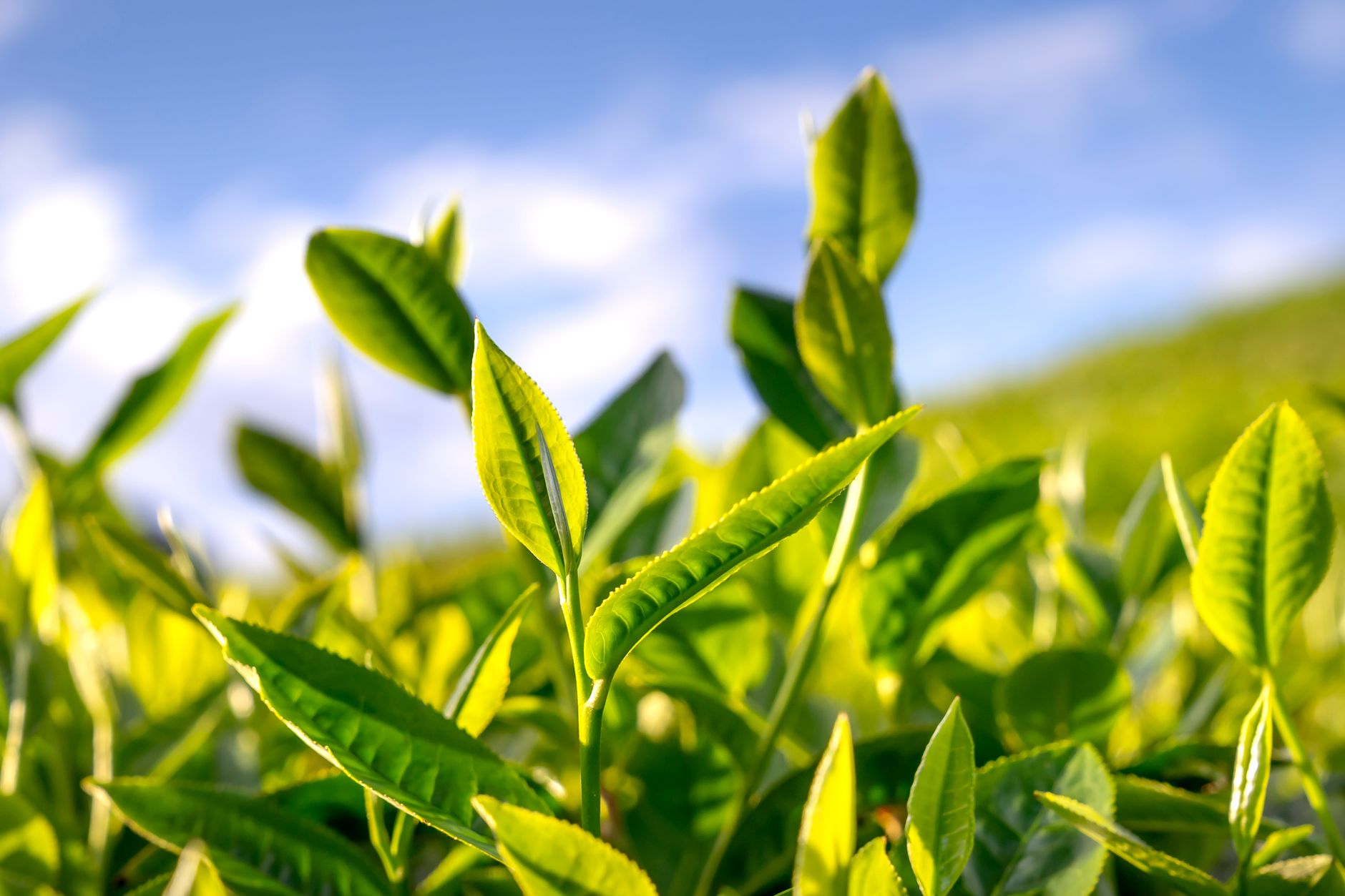
Green tea is often praised for its health benefits and subtle flavor, making it a popular choice among tea enthusiasts. However, for those who are sensitive to caffeine or just curious about their intake, a common question arises: Does green tea have a lot of caffeine? Understanding the caffeine content in green tea can help individuals make informed decisions about their beverage choices.
In this article, we will explore the caffeine levels in green tea compared to other types of tea, delve into its health benefits, and discuss factors that can influence caffeine content. Whether you’re a dedicated tea drinker or a casual sipper, knowing how green tea fits into your overall caffeine consumption can be highly beneficial.
Does Green Tea Have A Lot Of Caffeine?
No, green tea typically contains less caffeine than coffee and even black tea. On average, an 8-ounce cup of green tea has about 30-50 milligrams of caffeine, while the same amount of brewed coffee can have around 95 milligrams. However, the caffeine content can vary based on several factors, including the type of green tea and the brewing method used.
Understanding Caffeine in Green Tea
Caffeine is a naturally occurring stimulant found in various plants, including the Camellia sinensis plant, from which all true teas are derived. The caffeine content in green tea can be influenced by various factors, including:
- Tea Type: Different varieties of green tea contain varying amounts of caffeine. For example, matcha, a powdered form of green tea, can have higher concentrations.
- Brewing Time: The longer you steep your tea, the more caffeine is extracted. Typically, steeping for three to five minutes is sufficient for flavorful green tea.
- Water Temperature: Higher water temperatures can also result in increased caffeine extraction. For green tea, a temperature of 160-180°F is generally recommended.
- Tea Leaf Processing: How the leaves are processed affects caffeine levels. Leaves that are less oxidized, like many green teas, often contain less caffeine than fully oxidized teas.
Comparing Caffeine Content: Green Tea Vs. Other Beverages
To better understand the caffeine content in green tea, let’s compare it to other popular beverages:
| Beverage | Average Caffeine Content (per 8 oz) |
|---|---|
| Green Tea | 30-50 mg |
| Black Tea | 40-70 mg |
| Coffee | 95 mg |
| Espresso | 63 mg per 1 oz |
| Herbal Tea | 0 mg |
Health Benefits of Green Tea
Besides its caffeine content, green tea is widely celebrated for its numerous health benefits, which contribute to its popularity:
- Rich in Antioxidants: Green tea is packed with polyphenols and catechins, which are powerful antioxidants that help reduce inflammation and protect against various diseases.
- Improved Brain Function: The caffeine and amino acid L-theanine present in green tea may work together to enhance brain function, including improved mood, memory, and reaction time.
- Weight Management: Some studies suggest that green tea may aid in fat oxidation and improve metabolic rates, assisting in weight management.
- Heart Health: Regular consumption of green tea has been linked to a lower risk of heart disease, as it may improve cholesterol levels and blood pressure.
Factors Affecting Caffeine Content in Green Tea
Understanding the factors that affect caffeine levels can help you enjoy your green tea to its fullest without overdoing caffeine consumption. Here’s a deeper look at which elements to consider:
1. Type of Green Tea
Different green teas come from various regions and processing techniques, affecting their caffeine levels. Here are a few types:
- Matcha: This powdered form of green tea typically contains the highest caffeine levels, around 70 mg per 8 oz serving, due to the whole leaf being consumed.
- Sencha: A popular Japanese green tea, sencha usually has moderate caffeine content, averaging around 30-40 mg.
- Bancha: A lower-grade green tea, bancha typically has less caffeine, often around 20-30 mg per serving.
2. Leaf Surface Area
The surface area of the tea leaves can play a crucial role in caffeine extraction. Finer teas, like matcha, have a greater surface area, leading to more caffeine being released during brewing.
3. Infusion Time and Temperature
The duration and temperature of infusing your green tea can significantly impact caffeine content:
- Longer Steeping: If you steep tea for longer than the recommended time, more caffeine will be extracted.
- Higher Water Temperature: Using hotter water can also increase the caffeine concentration, so pay attention to recommended temperatures for the specific type of green tea you are using.
How to Prepare Green Tea Correctly
To enjoy the full benefits of green tea while managing caffeine levels, properly preparing your tea is essential. Here’s a simple guide:
Ingredients
- 1 teaspoon of green tea leaves or 1 green tea bag
- 8 oz of filtered water
- Optional: Sweetener, lemon, or mint for flavor
Equipment
- Kettle or pot
- Teapot or infuser
- Teacup or mug
Instructions
- Start by boiling the filtered water. Aim for a temperature of around 160-180°F for green tea.
- If using loose leaves, place them in a teapot or infuser. For tea bags, you can directly use them in your cup.
- Pour the hot water over the leaves and allow them to steep for 2-3 minutes. Adjust based on taste preference, but avoid steeping for longer to prevent bitterness.
- Remove the leaves or tea bag. If desired, add sweetener, lemon, or mint for added flavor.
- Enjoy your green tea fresh!
Common Mistakes to Avoid
To ensure your green tea experience is enjoyable and beneficial, here are some common mistakes to avoid:
- Steeping Too Long: Over-steeping can lead to bitterness. Stick to the recommended steeping time.
- Using Water That’s Too Hot: Hot water can scorch the tea, affecting its flavor. Allow your water to cool down slightly before brewing.
- Not Storing Tea Properly: Expose your green tea to air, moisture, or light can lead to loss of flavor and potency. Store tea in an airtight container away from direct light.
Decaffeinated Green Tea
If you enjoy green tea but want to avoid caffeine, decaffeinated green tea is widely available. The decaffeination process reduces caffeine levels significantly, typically to about 2-5 mg per 8 oz cup. This is a great option for those sensitive to caffeine but still want to enjoy the benefits of green tea.
Conclusion
Green tea is a delightful beverage that offers a range of health benefits and contains moderate levels of caffeine. While it does not have as much caffeine as coffee or black tea, understanding the factors affecting its caffeine content can enhance your drinking experience. Whether you prefer traditional green tea or matcha, being aware of your brewing techniques and tea selection will help you enjoy this versatile drink to its fullest.
If you want to expand your knowledge of different tea types, you can explore black tea and see which tea has the most caffeine for your next brew. Happy sipping!