
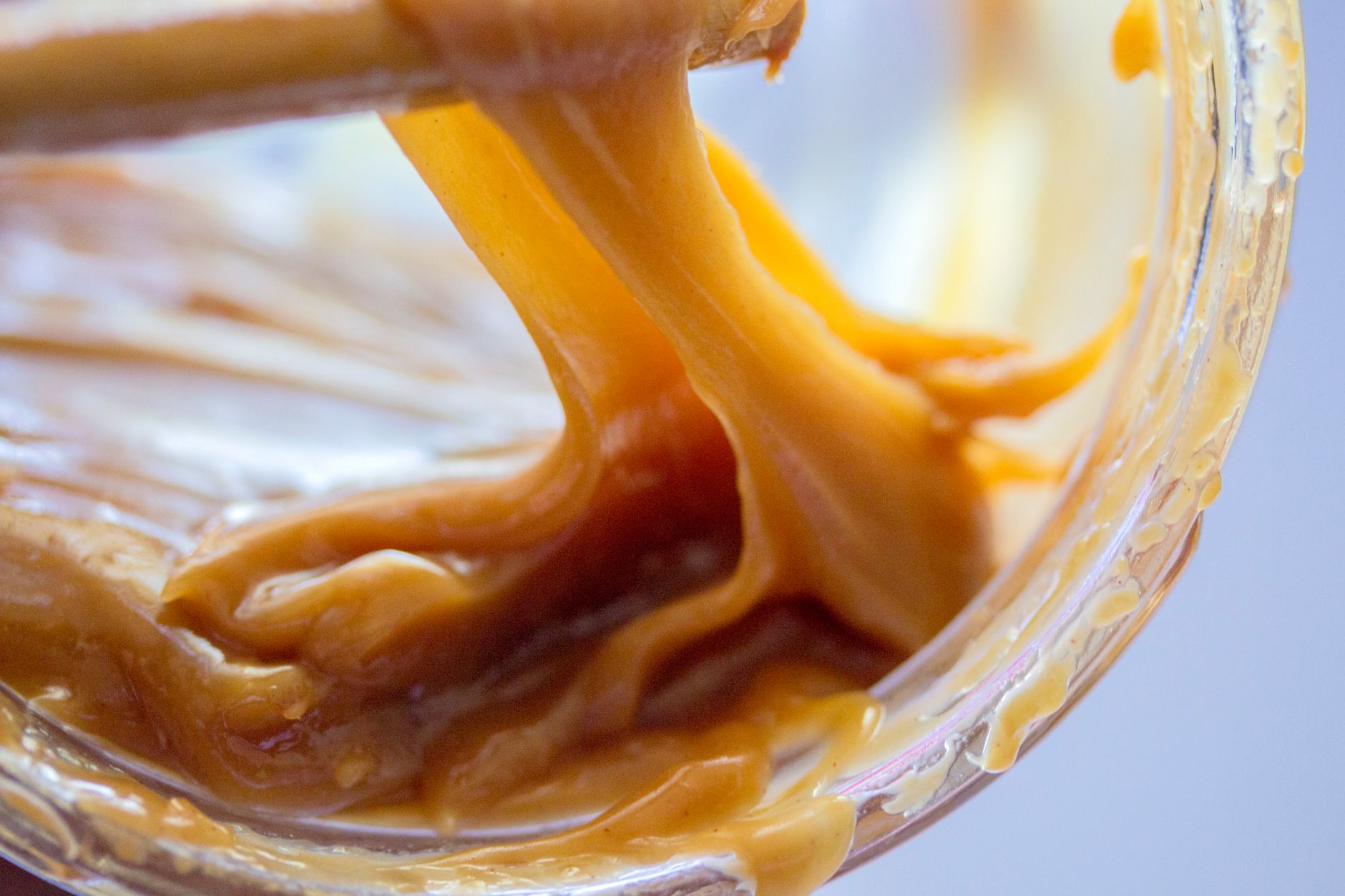
Caramel is a rich, sweet confection that can elevate desserts, enhance beverages, and serve as a delightful ingredient in various recipes. Understanding how long it takes to make caramel is essential for both novice and experienced cooks, as timing can greatly impact the texture and flavor. In this article, we will explore the process of making caramel from scratch, including preparation time, cooking time, and some tips to ensure your caramel turns out beautifully.
With its deep amber color and complex profile ranging from sweet to slightly bitter, homemade caramel can transform any dish. Follow this comprehensive guide to learn the necessary steps, alternatives, and the expected timeframes for making caramel.
How Long Does It Take to Make Caramel?
The time it takes to make caramel can vary depending on the method you choose and the specific type of caramel you want to create. Typically, the entire process takes about 10 to 15 minutes for traditional caramel made with sugar, butter, and cream. Despite the seemingly quick time frame, careful attention is needed to prevent burning and achieve the desired flavor and texture.
Types of Caramel
There are various types of caramel, including:
- Traditional Caramel: Made with sugar, water, and sometimes butter and cream. This is the most common style used in candies, sauces, and desserts.
- Caramel Sauce: Similar to traditional caramel, but typically contains additional cream or butter to create a pourable consistency.
- Salted Caramel: A popular variation where salt is added to balance the sweetness and enhance flavor.
- Caramel Candy: A firmer, chewier version often shaped into squares or used as fillings for chocolates.
Ingredients for Homemade Caramel
To make basic caramel, you will need the following ingredients:
- Granulated Sugar: 1 cup (200g)
- Water: 1/4 cup (60ml)
- Unsalted Butter: 1/2 cup (115g), cut into pieces
- Heavy Cream: 1/2 cup (120ml), at room temperature
- Salt: 1/4 teaspoon (optional, for salted caramel)
Essential Equipment
To make caramel, gather the following tools:
- Heavy-bottomed saucepan
- Heat-resistant spatula or wooden spoon
- Candy thermometer (optional, but helpful)
- Measuring cups and spoons
- Heatproof container for storage
Step-by-Step Method for Making Caramel
Now that you’ve gathered your ingredients and equipment, follow these steps to make caramel:
- Combine Sugar and Water: In a heavy-bottomed saucepan, combine the granulated sugar and water. Stir gently to dissolve the sugar without introducing too much agitation.
- Heat the Mixture: Place the saucepan over medium heat and allow it to come to a simmer. Do not stir the mixture once it starts to heat, as this can cause crystallization.
- Monitor the Color: As the sugar syrup heats, it will begin to bubble and change color. Watch closely as it transitions from clear to light amber, then to a darker amber. This usually takes about 8 to 10 minutes.
- Remove from Heat: When the mixture reaches a deep amber color (around 340°F / 170°C), quickly remove the pan from the heat. This is crucial, as caramel can burn quickly at this stage.
- Add Butter: Immediately whisk in the butter until fully melted and combined. The mixture will bubble and steam, so be cautious.
- Incorporate Cream: Gently pour the heavy cream into the mixture, whisking continuously. It will bubble vigorously, so be careful of splatters.
- Mix Until Smooth: Continue stirring until the caramel is smooth and well combined. If you are making salted caramel, add the salt at this stage.
- Cool and Store: Allow the caramel to cool for a few minutes before transferring it to a heatproof container. It will thicken as it cools.
Visual and Texture Cues
Pay close attention to the color and aroma of the caramel as it cooks. A proper caramel should have a rich, deep amber color and an enticing, slightly nutty aroma. Always remove the caramel from the heat before it gets too dark to prevent burning.
Common Mistakes and Troubleshooting
Even experienced cooks can have issues while making caramel. Here are some common mistakes and how to troubleshoot them:
- Crystallization: If crystals form in the sugar mixture, it can lead to a grainy texture. To prevent this, do not stir the sugar once it starts to dissolve. If crystallization occurs, wet a pastry brush with water and gently brush down the sides of the pan.
- Burnt Caramel: If your caramel develops a burnt smell and taste, it likely cooked too long. Start over, as burnt caramel cannot be salvaged.
- Too Thick or Runny: If your caramel is too thin, continue to cook it over low heat for a few more minutes until thickened. If too thick, you can adjust the texture by adding a little warm cream.
Variations and Substitutions
Here are some variations and substitutions you can consider when making caramel:
- Brown Sugar: You can replace granulated sugar with light or dark brown sugar, which will lend a richer flavor.
- Alternative Sweeteners: For a different flavor profile, consider using honey, maple syrup, or agave syrup, but be cautious, as their cooking temperatures may vary.
- Flavor Additions: Vanilla extract or espresso can add depth to your caramel. Add these once the caramel is off the heat to prevent them from evaporating.
Serving Suggestions
Caramel can be enjoyed in numerous ways:
- Drizzle warm caramel sauce over ice cream or brownies.
- Use it as a filling for cupcakes or pastries.
- Add a dollop to coffee or hot chocolate for a sweet kick.
- Stir into yogurt or oatmeal for a sweeter breakfast option.
Storage and Shelf Life
To store your homemade caramel, follow these guidelines:
- Cool the caramel completely before transferring it to an airtight container.
- Homemade caramel can be stored in the refrigerator for up to two weeks.
- If stored at room temperature, it is best consumed within a few days and kept in a cool, dry place.
- To reheat, warm gently in the microwave or on the stovetop over low heat until it becomes pourable again.
Using Caramel in Recipes
Incorporating caramel into various recipes can enhance flavors and textures. Here are ideas for using your homemade caramel:
- Caramel Icing: For a rich frosting or icing, simply mix powdered sugar into cooled caramel until you reach your desired consistency. Use it on cakes or cupcakes.
- Caramel Rolls: Drizzle caramel over cinnamon rolls for a decadent breakfast treat. The warm rolls will soak up the sweetness, making for a delightful experience.
Final Thoughts on Making Caramel
Making caramel requires precision, practice, and a watchful eye. Following these guidelines will shorten your learning curve as you master this delightful confection. Whether you incorporate caramel into desserts, cookies, or beverages, understanding the process will help you achieve delicious results every time.
Explore more delicious caramel recipes, such as caramel icing or caramel rolls, to satisfy your sweet cravings and expand your culinary repertoire.