
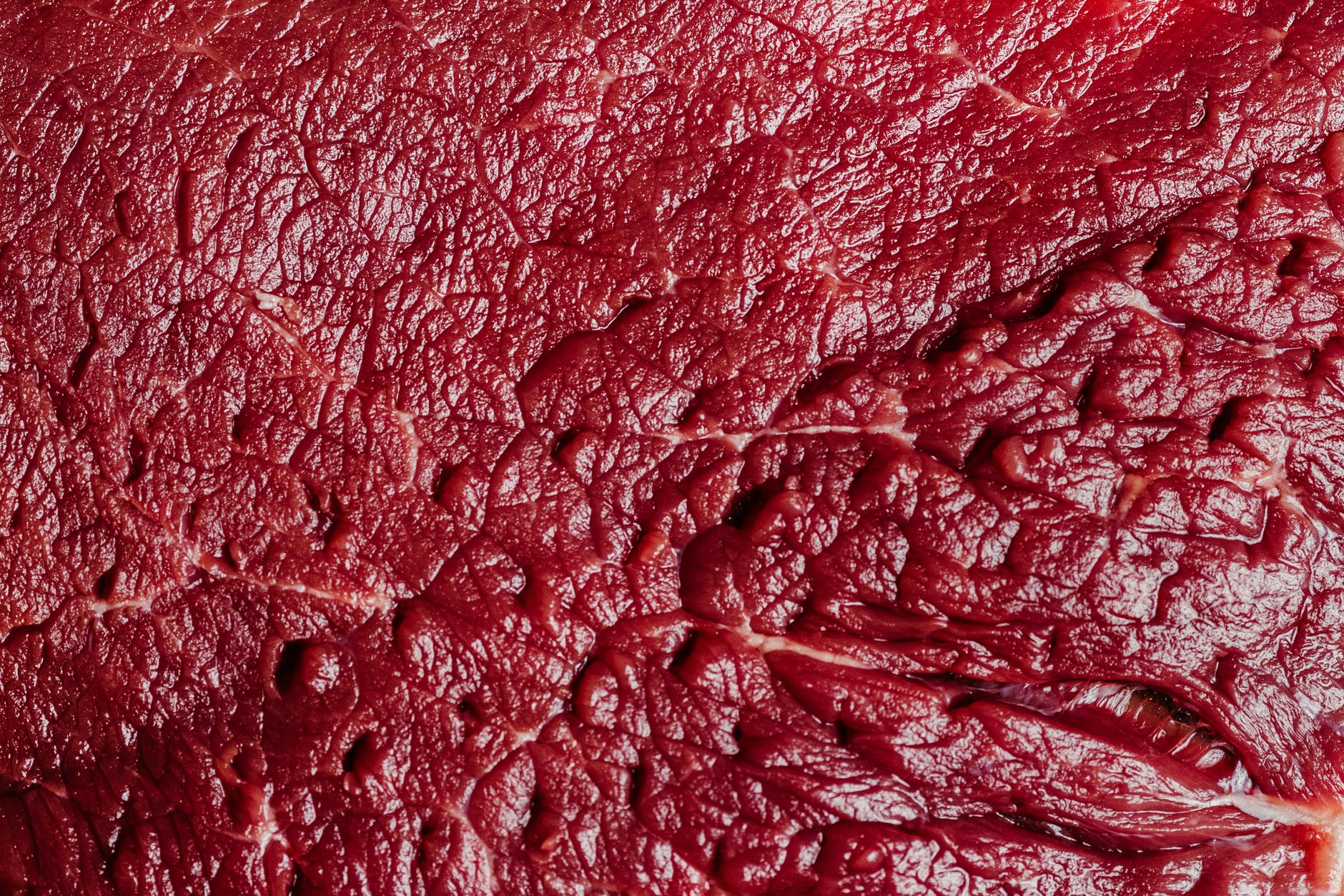
Understanding how long beef can be safely stored in the fridge is crucial for both food safety and maximizing the quality of your meals. Beef can be a staple in many diets, but improper storage can lead to spoilage and potentially harmful bacteria growth.
This guide will answer the question of how long you can leave beef in the fridge, covering different cuts of beef, storage tips, and safety practices to ensure the best culinary experience.
How Long Can You Leave Beef in the Fridge?
You can safely store raw beef in the fridge for 3 to 5 days, while cooked beef can last about 3 to 4 days. Always check for changes in color, smell, or texture to determine freshness.
Understanding the Different Cuts of Beef
Beef comes in various cuts, each having different storage times based on their type. Understanding these cuts can help you manage your fridge efficiently.
Raw Beef Cuts
- Ground Beef: Lasts 1 to 2 days.
- Steaks (e.g., sirloin, ribeye): Lasts 3 to 5 days.
- Roasts: Lasts 3 to 5 days.
- Beef Ribs: Lasts 3 to 5 days.
Cooked Beef
Once cooked, beef has a shorter shelf life:
- Cooked Ground Beef: Lasts 3 to 4 days.
- Cooked Steaks: Lasts 3 to 4 days.
- Beef Roasts: Lasts 3 to 4 days.
Factors Affecting Beef Storage Duration
Several factors can affect how long beef lasts in the fridge, including:
- Temperature: Keep your fridge at 32°F to 40°F (0°C to 4°C) to maintain freshness.
- Packaging: Properly sealed beef lasts longer. Use airtight containers or vacuum-sealed bags.
- Quality: Freshly bought beef will last longer compared to those past their sell-by date.
Storage Tips for Raw Beef
Follow these practical tips to extend the life of raw beef in your fridge:
- Keep it Cold: Place beef at the back of the fridge where temperatures are more stable.
- Original Packaging: If possible, store in the original packaging until needed.
- Cover: Use plastic wrap or foil if you want to extend storage; be sure it’s airtight.
- Label and Date: Mark packages with the purchase date to track freshness effectively.
Storage Tips for Cooked Beef
When storing cooked beef, keep these guidelines in mind:
- Cool Promptly: Refrigerate leftover cooked beef within two hours of cooking.
- Airtight Containers: Use airtight containers to prevent moisture loss and contamination.
- Portion Control: Divide large quantities into smaller portions to make reheating easier.
- Skip the Garnishes: Avoid including garnishes that may spoil quickly during storage.
Common Signs of Spoilage
Knowing how to identify spoiled beef is crucial for food safety. Look for these signs:
- Color Changes: Fresh beef is bright red; if it turns gray or brown, it might be spoiled.
- Off Smells: A sour or rancid odor is a definite warning sign.
- Texture Changes: If beef feels sticky or slimy, it’s no longer safe to eat.
Safe Reheating Practices
When reheating cooked beef, ensure it’s done safely to prevent foodborne illnesses. Follow these practices:
- Heat Thoroughly: Ensure the interior temperature reaches at least 165°F (74°C).
- Use a Food Thermometer: This ensures accuracy and safety.
- Reheat Once: Avoid reheating multiple times, as this can degrade quality and safety.
- Keep it Covered: Cover beef while reheating to retain moisture and heat evenly.
How to Freeze Beef for Longer Storage
If you need to store beef for extended periods, freezing is an excellent option. Here’s how to properly freeze beef:
- Wrap Tightly: Use plastic wrap or aluminum foil to wrap the beef tightly before placing it in a freezer bag.
- Label and Date: Mark each package with the contents and the date of freezing.
- Avoid Freezer Burn: Make sure to remove as much air as possible before sealing.
Freezing Duration
Beef can be stored in the freezer for the following durations:
- Ground Beef: 3 to 4 months.
- Steaks and Roasts: 6 to 12 months.
- Beef Ribs: 4 to 6 months.
Thawing Beef Safely
When you’re ready to use frozen beef, always thaw it safely to prevent bacteria growth:
- Refrigerator Thawing: This is the safest method. Place beef in the fridge for several hours or overnight, depending on the size.
- Cold Water Thawing: Submerge the beef in cold water, change the water every 30 minutes.
- Microwave Thawing: If using a microwave, cook the beef immediately after thawing.
- Avoid Room Temperature: Never thaw beef at room temperature, as this encourages bacterial growth.
Frequently Asked Questions
Below are some common questions regarding beef storage:
Can I eat beef after the expiration date?
It depends on how the beef has been stored. If it looks and smells good, it may still be safe, but err on the side of caution and consider food safety guidelines.
Can I leave leftover beef out overnight?
Leftover beef should not be left out for more than two hours to avoid the growth of harmful bacteria.
Can I refreeze thawed beef?
If beef has thawed in the refrigerator, it can be refrozen, but beef that has thawed using other methods should be cooked before freezing again.
Conclusion
Knowing how long you can store beef in the fridge and implementing proper storage techniques will not only enhance your cooking experience but also ensure food safety. By understanding the different types of beef, following best storage practices, and recognizing signs of spoilage, you can enjoy delicious beef dishes without concerns about safety.
For more specific information, check out our guides on how long ground beef is good for and how long cooked ground beef is safe to store.