
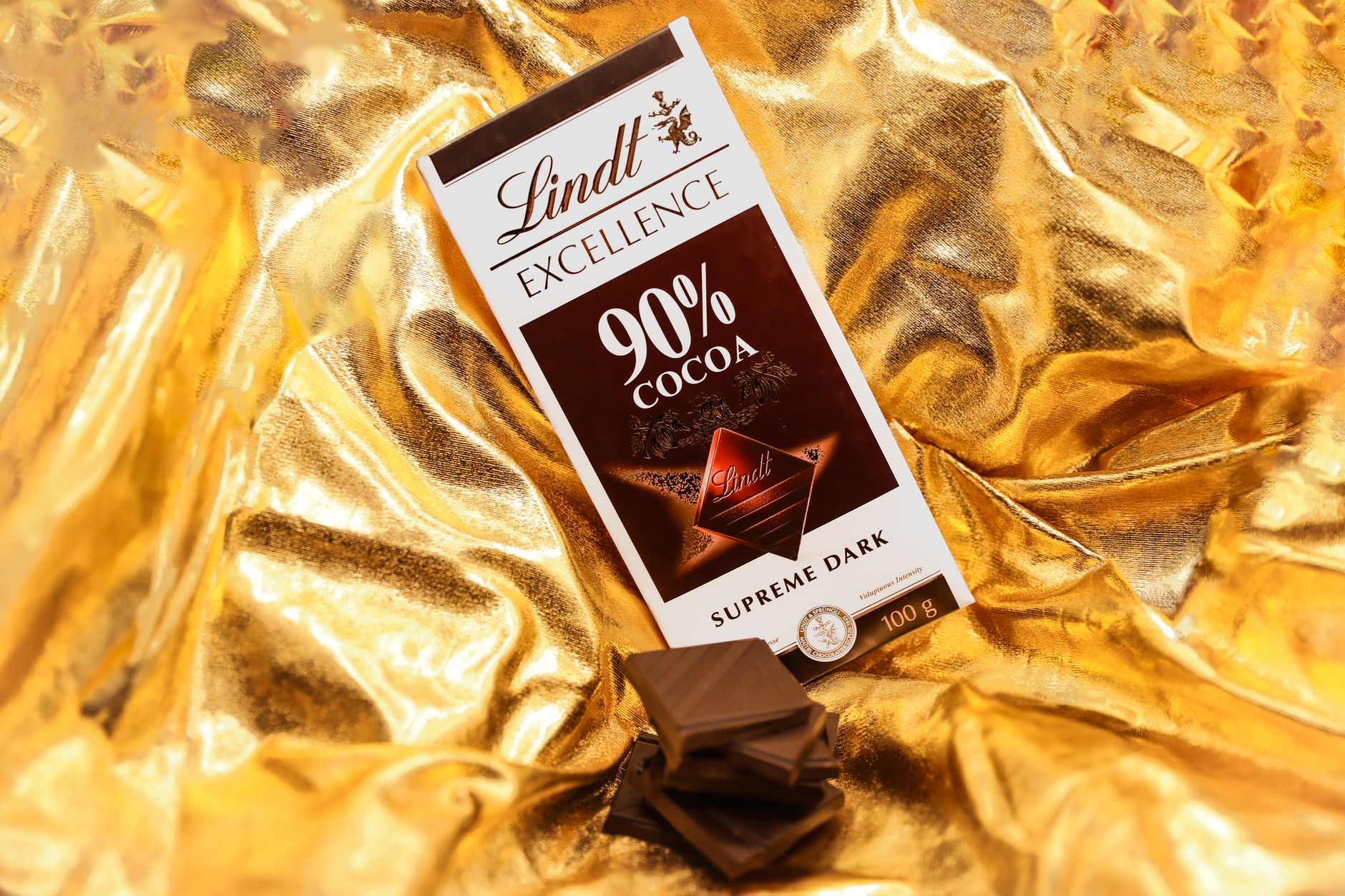
When it comes to enjoying chocolate, Lindt is a beloved name renowned for its rich flavors and smooth textures. However, for those following a halal diet, the question arises: Is Lindt chocolate halal? Understanding the halal status of a product is crucial for ensuring that your dietary choices align with your beliefs. This guide will delve into Lindt chocolate ingredients, clarify its halal status, and suggest plant-based swaps for individuals seeking alternatives.
Whether you are a chocolate connoisseur or simply enjoy a sweet treat occasionally, knowing which products fit within a halal diet can enhance your enjoyment and peace of mind. In this article, we will explore the ingredients found in various Lindt chocolate products, the practices surrounding halal certification, and alternative options if you are looking for plant-based chocolate.
Is Lindt Chocolate Halal?
The halal status of Lindt chocolate primarily depends on the specific product and its ingredients. Generally, Lindt offers a variety of chocolates, some of which are halal-certified, while others may not be. The key to ensuring that a particular Lindt chocolate is halal is to check for certification and read the ingredient list carefully.
Understanding Halal Certification
Halal certification refers to the permissibility of food as per Islamic law. Foods that are halal abide by specific preparation and handling requirements, including the type of ingredients used. To be considered halal, a product must not contain any prohibited substances, such as pork derivatives or alcohol, and must be processed using tools and methods that are also halal. Halal products are usually marked with a halal logo on packaging to help consumers easily identify them.
Ingredients in Lindt Chocolate
Various Lindt products may contain different ingredients, including milk, gluten, and nuts. Below, we will break down the common ingredients found in their popular chocolate ranges:
- Cocoa Mass: The primary ingredient in chocolate, made from ground cocoa beans.
- Cocoa Butter: A fat extracted from cocoa beans, adding smoothness and richness.
- Sugar: Commonly used for sweetness.
- Milk Powder: Found in milk chocolates, contributing to creaminess.
- Vanilla: Often added for flavor enhancement.
- Lecithin: An emulsifier used to improve texture, typically sourced from soy or sunflower.
Common Lindt Chocolate Products and Their Halal Status
Here is a closer look at some popular Lindt products and whether they are generally considered halal:
Lindt Milk Chocolate
Lindt Milk Chocolate typically contains milk powder and is made from natural ingredients. However, some varieties may not have halal certification explicitly stated. Always check the packaging for a halal label.
Lindt Dark Chocolate
Most Lindt Dark Chocolates, particularly varieties with higher cocoa content (70% or more), have fewer ingredients and are often halal. Still, it is advisable to verify the packaging.
Lindt White Chocolate
Lindt White Chocolate usually contains milk and sugar, and while it can be delectable, it rarely has a halal certification. Again, checking the label is essential.
Lindt Seasonal Products
During holidays, Lindt produces special edition chocolates, which may contain additional ingredients or flavorings. Often, these products do not have clear halal certification, making it crucial to read the labels carefully.
Where to Find Halal Certified Lindt Chocolate
To simplify the process of finding halal Lindt chocolate, you can follow these tips:
- Look for Halal Certification: Always check for a halal symbol on the packaging.
- Visit Halal Stores: Specialty grocery stores often carry halal-certified chocolates.
- Online Retailers: Many e-commerce platforms allow you to filter products by halal certification.
- Contact Lindt: If in doubt, reaching out to Lindt directly for information on specific products can be helpful.
Plant-Based Swaps for Lindt Chocolate
If you’re looking for alternatives to Lindt chocolate that are both halal and plant-based, consider the following options:
Dark Chocolate Alternatives
Numerous brands offer high-quality dark chocolate that is vegan and halal certified. Brands like Enjoy Life, Hu Chocolate, and Endangered Species Chocolate are excellent choices. Ensure to read their ingredient lists and relevant certifications.
Cocoa Alternatives
Cocoa powder can serve as a versatile alternative for baking or making hot chocolate. Look for organic cocoa powder without added ingredients. Brands like Navitas and Hershey’s have options that fit halal standards.
Plant-Based Chocolate Bars
Several companies specialize in plant-based chocolate bars that cater to both vegan diets and halal requirements. These bars are often made with almond, coconut, or oat milk. Brands such as Eat Piquant and No Whey are excellent choices.
Common Mistakes to Avoid When Choosing Chocolate
When selecting chocolates, it’s essential to avoid the following pitfalls:
- Ignoring Labels: Always read the ingredient list and look for a halal certification to avoid any surprises.
- Assuming All Dark Chocolate is Halal: Many think dark chocolate is automatically halal, but not all varieties are. Always verify.
- Overlooking Seasonal Products: Special editions can include non-halal ingredients, so check carefully.
Unique Flavors and Culinary Uses of Halal Chocolate
Halal-certified chocolate can be enjoyed in various ways, enhancing many culinary creations. Here are a few suggestions on how to utilize it:
Baking with Chocolate
Incorporate halal chocolate into your baking endeavors. Use it for:
- Brownies: Use chopped chocolate or cocoa powder as a base for these rich confections.
- Chocolate Chips: Add halal chocolate chips to cookies for a delightful treat.
- Cakes: Integrate chocolate into sponge cakes, ganache, or frostings for added richness.
Homemade Hot Chocolate
For a warming drink, create your own hot chocolate using halal cocoa powder or dark chocolate. Mix with plant-based milk for a creamy alternative.
Chocolate Dips and Fondue
Use halal chocolate for fondue or chocolate dipping. Pair with fruits, marshmallows, or biscuits for an indulgent snack.
Storing Chocolate for Freshness
Proper storage can significantly impact the flavor and texture of your chocolate. Follow these guidelines:
- Keep It Cool: Store chocolate in a cool, dry place away from direct sunlight to prevent it from melting or blooming.
- Airtight Containers: Use airtight containers to keep out moisture and unwanted odors.
- Check Expiration Dates: Always keep track of when your chocolate was purchased, as chocolates do have a shelf life.
Conclusion
Lindt chocolate can be halal, but it is essential to check each product for specific halal certification and ingredients. By understanding the ingredients and exploring plant-based alternatives, chocolate lovers can make informed decisions that align with their dietary needs. Always read labels and do your research to ensure your sweet treats reflect your values.
For further exploration, consider checking out our recipes for halal white sauce or learn more about what chocolates are vegan at is chocolate vegan.