
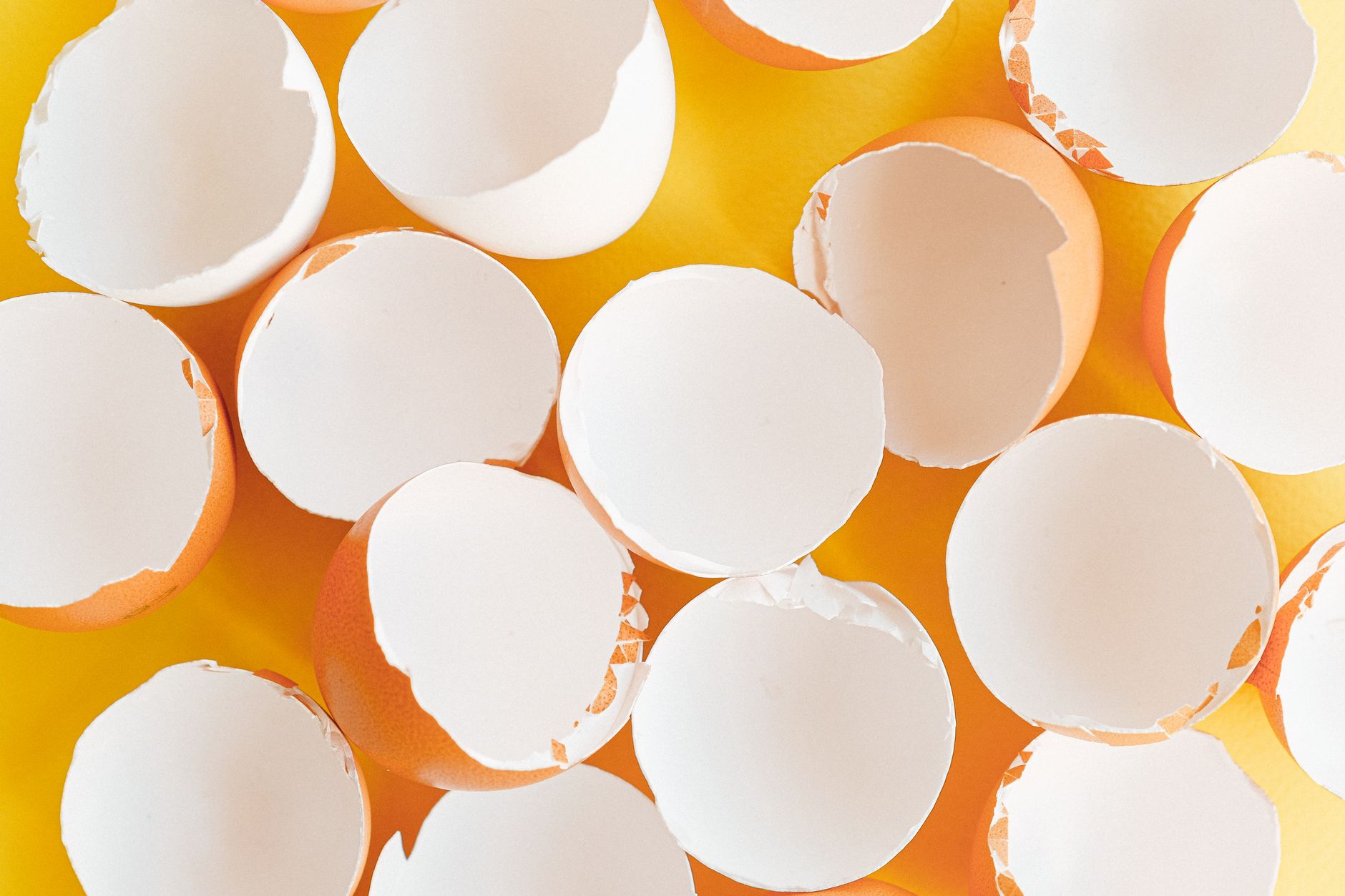
Egg shells are often dismissed as waste, but they are gaining attention for their potential benefits and culinary uses. This article explores the nutritional value of egg shells, their safety for consumption, and practical tips for incorporating them into your diet.
With rising interest in sustainable cooking and minimizing food waste, understanding whether it is bad to eat egg shells is more relevant than ever. Let’s delve into the details of this topic and discover the best practices for utilizing egg shells effectively.
Is It Bad to Eat Egg Shells?
Eating egg shells is not inherently bad, but it requires proper preparation to ensure safety and maximize nutritional benefits. Egg shells are primarily composed of calcium carbonate, which can be a good source of calcium when prepared correctly. However, proper cleaning and cooking techniques are essential to avoid potential health risks.
The Nutritional Value of Egg Shells
Egg shells are mostly made up of calcium carbonate, with about 95% of their composition dedicated to this mineral. This makes them a highly concentrated source of elemental calcium, which is crucial for bone health, muscle function, and nerve signaling.
In addition to calcium, egg shells contain trace amounts of other minerals such as magnesium, phosphorus, and iron. While these elements are present in smaller quantities, they contribute to the overall nutritional profile. Egg shells also contain proteins and collagen, although the amounts are minimal when compared to other food sources.
Potential Health Benefits
Consuming egg shells could offer several potential health benefits due to their calcium content. For individuals who do not consume enough dairy products, incorporating ground egg shells into their diet may help meet daily calcium needs. Some benefits include:
- Bone Health: Adequate calcium intake supports bone density and reduces the risk of osteoporosis.
- Teeth Strength: Calcium is essential for healthy teeth and may help prevent tooth decay.
- Muscle Function: Calcium plays a key role in muscle contractions, which is vital for overall bodily movement.
Risks and Precautions
While there are benefits to consuming egg shells, there are also risks to be aware of:
- Salmonella Risk: Raw egg shells can be contaminated with Salmonella, a harmful bacteria that can cause food poisoning. Proper cooking and handling are necessary to minimize this risk.
- Indigestibility: Whole egg shells are hard and can be challenging to digest. They must be ground into a fine powder for safe consumption.
Preparing Egg Shells for Consumption
Proper preparation is vital to safely consume egg shells. Here’s a step-by-step guide on how to prepare them:
Step 1: Cleaning the Shells
- Start by rinsing the egg shells under warm water to remove any visible dirt or residues.
- Use a scrub brush to gently clean the surface of the shells.
- Soak the cleaned shells in a mixture of water and vinegar for about 10 minutes. This helps kill any bacteria and further cleans the shells.
Step 2: Boiling (Optional but Recommended)
Boiling the egg shells can eliminate any remaining bacteria:
- Place the cleaned shells in a pot of boiling water.
- Let them boil for about 10 minutes to ensure they are safe to consume.
- Remove the shells and let them cool.
Step 3: Drying and Grinding
- Spread the boiled egg shells on a baking sheet and place them in the oven at 200°F (93°C) for about 30 minutes, or until completely dry.
- Once cooled, use a blender or food processor to grind the dried shells into a fine powder.
- Store the powdered egg shell in an airtight container in a cool, dry place.
Ways to Incorporate Egg Shells into Your Diet
Now that you have prepared the egg shells, here are several creative and practical ways to incorporate them into your meals:
Egg Shell Powder in Smoothies
Add a teaspoon of egg shell powder to your smoothies for a calcium boost without significant changes in flavor. The powder blends seamlessly with fruits and yogurt, enhancing nutritional value.
Baking with Egg Shell Powder
In baking, consider incorporating ground egg shell powder into your recipes. You can replace up to 1-2 tablespoons of flour with egg shell powder without affecting the texture significantly. This works well in muffins, pancakes, or quick breads.
In Soups and Stews
Sprinkle a small amount of egg shell powder into soups and stews during cooking. The powder will dissolve and add valuable nutrients without altering the taste of the dish.
In Breakfast Dishes
Mix egg shell powder into scrambled eggs or omelets. This is an easy way to boost calcium intake without compromising the dish’s flavor or texture.
Homemade Calcium Supplements
Many people choose to consume egg shell powder as a natural calcium supplement. One teaspoon of powdered egg shell can provide a significant amount of your daily calcium needs. When taking egg shells as a supplement, consult with a healthcare professional for recommended dosages.
Common Mistakes to Avoid
When consuming egg shells, it is essential to avoid common pitfalls. Here are some mistakes to be mindful of:
- Skipping the Cleaning Process: Not washing and sanitizing the shells can lead to foodborne illnesses.
- Using Whole Shells: Eating whole shells can lead to possible choking hazards and indigestibility. Always grind them to a fine powder.
- Ingesting Too Much: Just because egg shells are nutrient-dense does not mean they should be consumed in excess. Moderation is key.
Storage and Shelf Life of Egg Shell Powder
To ensure the longevity of your prepared egg shell powder, follow these guidelines:
- Store egg shell powder in an airtight container to prevent moisture and contamination.
- Keep it in a cool, dark place, away from direct sunlight.
- Use the powder within six months for optimal freshness, although it can last longer if stored properly.
Exploring Alternatives to Egg Shells
If you’re looking for other sources of calcium without the preparation involved with egg shells, consider these alternatives:
- Dairy Products: Milk, yogurt, and cheese are rich sources of calcium and relatively easy to incorporate into various meals.
- Vegetables: Leafy greens such as kale, bok choy, and broccoli are excellent non-dairy sources of calcium.
- Nuts and Seeds: Almonds and sesame seeds offer a healthy source of calcium along with additional nutrients and healthy fats.
- Fortified Foods: Many plant-based milk and breakfast cereals are fortified with calcium, making them excellent alternatives for individuals lactose intolerant or vegan.
Addressing Dietary Restrictions
Consider the following points if you have dietary restrictions:
- If you have an allergy to eggs, it is best to avoid consuming egg shells entirely due to the potential for allergic reactions.
- For those who are vegan, egg shells would not fit into your diet. Focus on plant-based sources of calcium instead.
Conclusion
Eating egg shells can be safe and beneficial when properly prepared and consumed in moderation. Their high calcium content makes them a valuable addition to your diet, especially if you are looking for sustainable ways to minimize food waste. By following the recommended preparation steps and incorporating egg shell powder creatively into your meals, you can reap the nutritional benefits while maintaining a safe and enjoyable culinary experience.
Explore related recipes and tips to enhance your culinary journey, such as how to extend the shelf life of your eggs, or methods for a delicious breakfast. Learn more about how long eggs can be kept in your refrigerator or how to utilize breakfast efficiency in daily cooking with our other guides.