
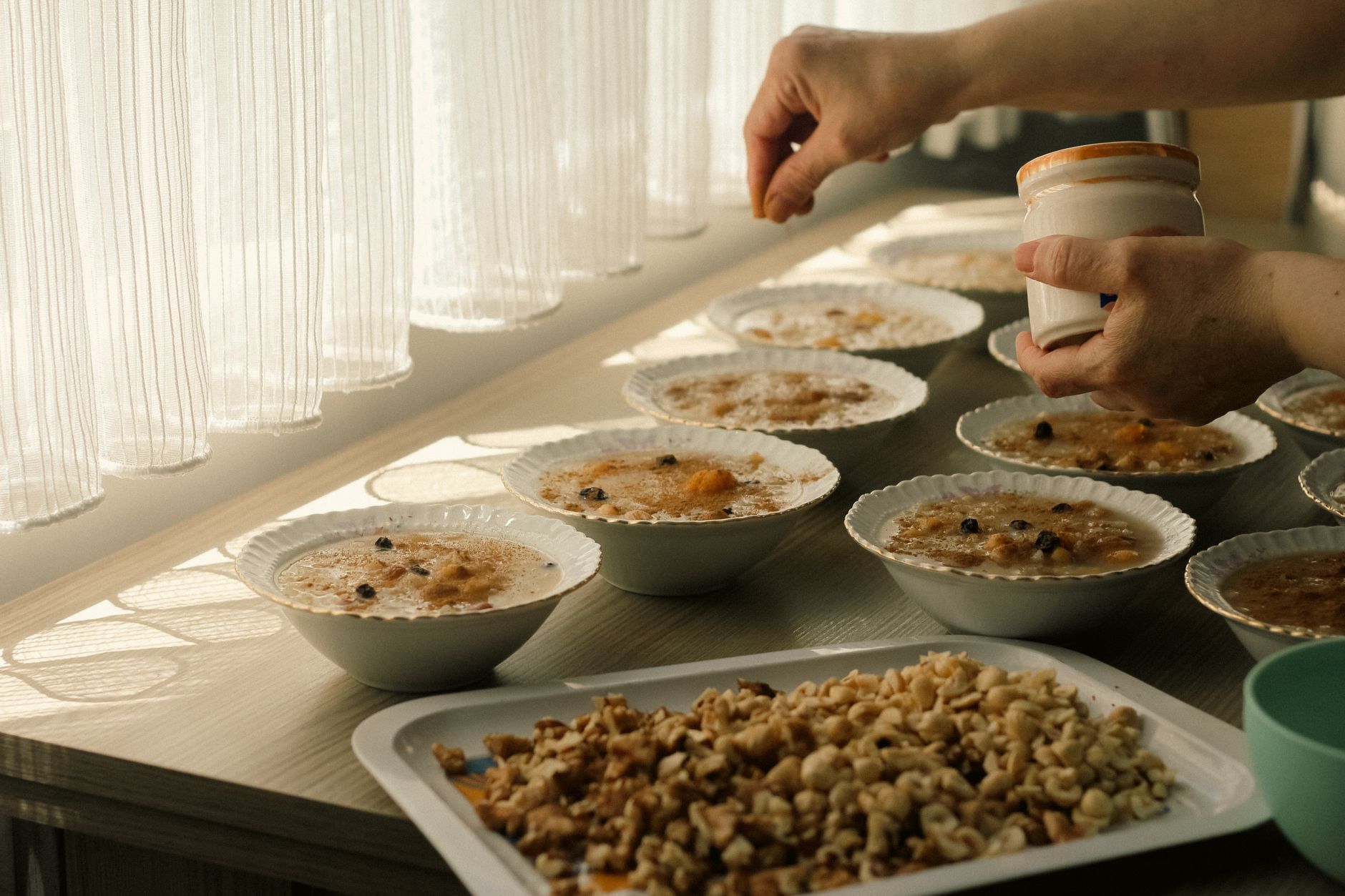
Oatmeal is a popular breakfast staple known for its heartiness and health benefits. For those sensitive to gluten or following a gluten-free diet, understanding whether oatmeal is gluten free is crucial. While oats themselves do not contain gluten, cross-contamination during processing can be a concern for many.
This detailed guide explores the gluten status of oatmeal, how to read labels effectively, and tips for selecting safe options. By the end, you’ll be confident in choosing oatmeal that suits your dietary needs.
Is Oatmeal Gluten Free?
Yes, pure oatmeal is gluten free as oats are naturally devoid of gluten. However, many oatmeal products are processed in facilities that also handle wheat, leading to potential cross-contamination. Thus, it is vital to choose certified gluten-free oats to ensure safety for those with celiac disease or gluten intolerance.
Understanding Oats and Gluten
Oats are derived from the Avena sativa plant and are often enjoyed in multiple forms, such as rolled oats, steel-cut oats, and instant oats. While oats are safe for most people, they do contain a protein called avenin, which can trigger gluten reactions in a small percentage of individuals sensitive to gluten. For the majority, oats are a nutritious and gluten-free grain option.
Why Cross-Contamination Occurs
Cross-contamination is a significant factor to consider when consuming oats. Because oats are frequently processed in facilities that also handle gluten-containing grains like wheat, barley, and rye, even tiny amounts of gluten can contaminate the oats.
This contamination risk is why it is essential to look for oatmeal labeled as gluten free. These oats are grown, harvested, and processed in controlled environments to avoid any interaction with gluten-containing grains.
How to Choose Gluten-Free Oatmeal
Selecting the right oatmeal involves understanding labels and certifications. Here’s a breakdown of what to look for:
- Certified Gluten Free: Look for products with a gluten-free certification from reputable organizations indicating they meet the necessary safety standards.
- Ingredient List: Always check the ingredient list to ensure oats are the only component. Avoid oatmeal products with additives that may contain gluten.
- Brand Reputation: Purchase oats from brands known for offering gluten-free products, like Bob’s Red Mill, Quaker, or GF Harvest.
Reading Labels for Gluten-Free Assurance
Label reading is an essential skill for anyone following a gluten-free diet. Here’s how to effectively read labels to ensure oatmeal is safe:
- Gluten-Free Label: This label must comply with FDA regulations, meaning it contains fewer than 20 ppm (parts per million) of gluten.
- Ingredient Transparency: Reputable brands will disclose sourcing and processing practices. If this information is unclear, contact the company for details.
- Common Gluten Ingredients: Familiarize yourself with other ingredient names that indicate gluten, such as malt, barley, spelt, and wheat.
Types of Gluten-Free Oatmeal
There are various forms of oatmeal that you can choose from, depending on your recipe or serving preference:
1. Rolled Oats
Rolled oats are steamed and then flattened to create flakes, making them easy to cook and pretty versatile. They have a chewy texture and cook in about 10-15 minutes.
2. Steel-Cut Oats
Steel-cut oats are whole oat groats that are chopped into pieces. They take longer to cook (about 20-30 minutes) and have a nuttier flavor and chewier texture. They are an excellent option for a hearty breakfast.
3. Instant Oats
Instant oats are pre-cooked and then dried. They are quick and convenient, requiring only hot water or a brief microwave time. However, they may contain additives, so ensure they are labeled gluten free.
4. Oat Flour
Oat flour is made from ground oats and can be used in gluten-free baking. Ensure it comes from certified gluten-free oats to avoid contamination.
Practical Tips for Cooking with Gluten-Free Oatmeal
Cooking gluten-free oatmeal can be straightforward, yet there are some tips to keep in mind:
- Use Separate Utensils: If you’re preparing oatmeal in a household that also cooks gluten-containing foods, use separate utensils and cooking pans to avoid cross-contamination.
- Rinse Before Cooking: Rinsing rolled and steel-cut oats under running water can help remove any residual dust. Be sure to drain well.
- Experiment with Cooking Times: Experiment with cooking times based on your desired texture, as different forms of oatmeal have varying cooking durations.
How to Store Oatmeal
Proper storage can prolong the quality of oatmeal:
- Sealed Containers: Keep oatmeal in airtight containers to protect against moisture and pests.
- Cool, Dry Location: Store oatmeal in a cool, dry pantry away from direct sunlight.
- Refrigeration: While not necessary for dry oats, once prepared oatmeal should be stored in the refrigerator and consumed within four days.
Potential Health Benefits of Oatmeal
While the focus is on gluten content, oatmeal also offers numerous health benefits:
- High in Fiber: Oatmeal is high in soluble fiber, which may help lower cholesterol levels and improve heart health.
- Rich in Nutrients: Oats contain essential vitamins and minerals, such as vitamin B1, magnesium, and iron.
- Promotes Satiety: The fiber content also aids in keeping you feeling full, which can be beneficial for weight management.
Common Mistakes When Choosing Oatmeal
Here are some frequent pitfalls to avoid when selecting or preparing oatmeal:
- Ignoring Cross-Contamination Risks: Always consider the potential for cross-contamination, especially if consuming oats outside your home.
- Choosing Generic Brands: Generic or store brands may not always follow gluten-free practices, so always check the labels carefully.
- Mistaking Oatmeal Mixes for Pure Oats: Instant oatmeal packets often contain additives like flavoring agents, which may contain gluten.
Delicious Ways to Enjoy Oatmeal
Oatmeal can be a versatile dish that can be transformed in many delightful ways. Here are some popular serving ideas:
- Sweet Oatmeal: Top with fresh fruits, honey, maple syrup, or nut butter for added flavor and nutrition.
- Savory Oatmeal: Prepare oatmeal with broth instead of water and top with avocado, poached eggs, or sautéed vegetables for a filling meal.
- Overnight Oats: Combine oats with your choice of milk and let them soak overnight for a quick and nutritious breakfast.
Incorporating Oatmeal into Your Meal Planning
When planning meals, oatmeal can be a fantastic addition. Here’s how to incorporate it effectively:
- Batch Cooking: Prepare a large batch of oatmeal at the beginning of the week for quick breakfasts.
- Diverse Uses: Use oatmeal in smoothies, baking, granola bars, or even as a topping for yogurt.
- Flavor Rotation: Keep breakfast interesting by rotating flavors weekly, such as seasonal fruits or spices like cinnamon and nutmeg.
Conclusion
Understanding whether oatmeal is gluten-free is essential for maintaining a safe and enjoyable diet. By selecting certified gluten-free options, reading labels carefully, and avoiding cross-contamination, individuals can confidently incorporate oatmeal into their meals.
Ready to start planning your oatmeal meals? Explore related recipes and cooking tips to make the most out of your gluten-free oatmeal experience. Check out gluten-free gnocchi recipe and gluten-free cupcake recipe for more delicious ideas.