
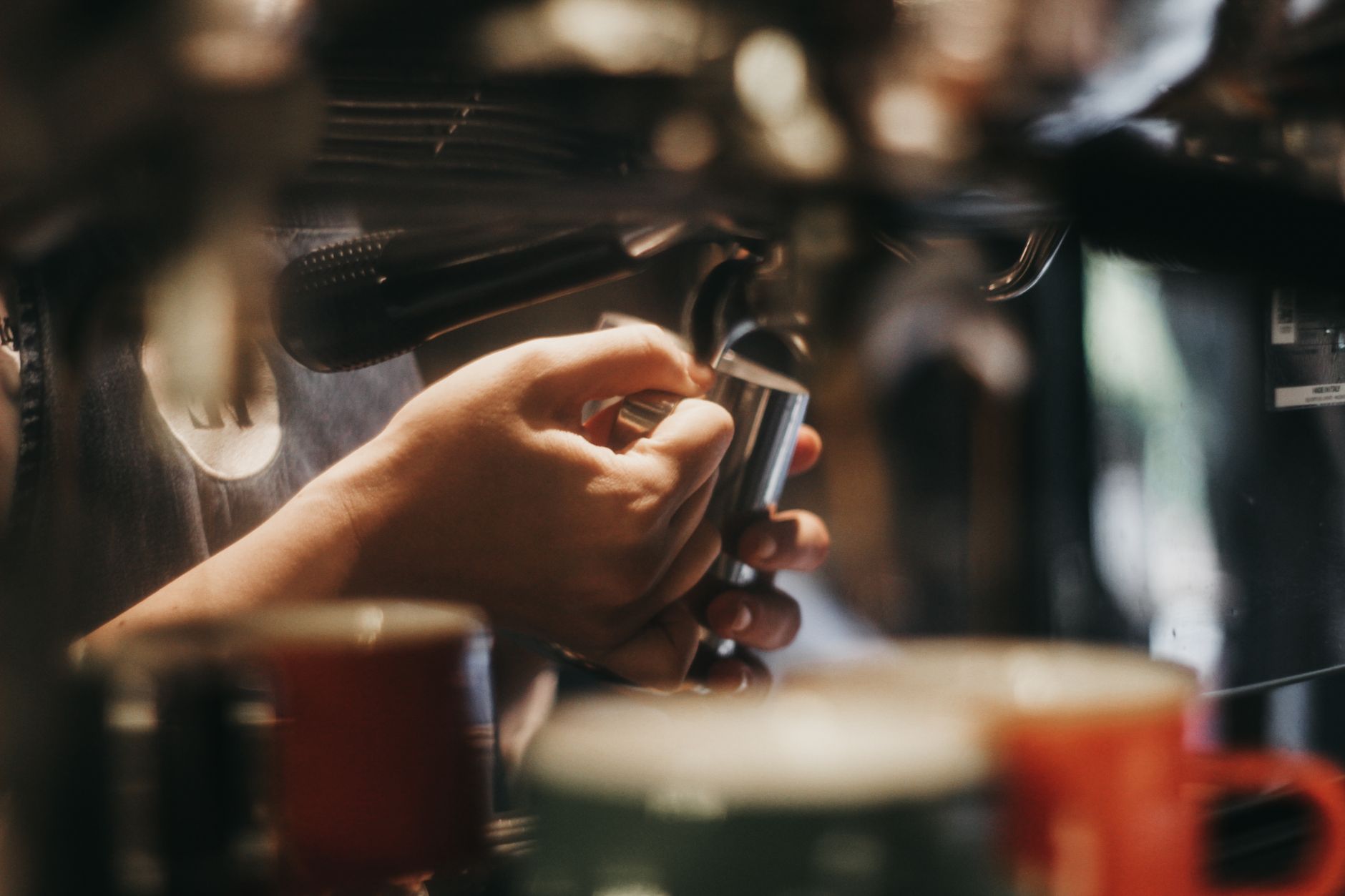
Coffee is more than just a morning ritual for many; it is a complex beverage that captures the essence of energy and flavor. Understanding how coffee works—from its chemical composition to its brewing methods—can enhance your coffee experience and transform how you enjoy this beloved drink.
This article explores the workings of coffee, including its key components, various brewing methods, and practical serving ideas to elevate your coffee game.
How Does Coffee Work?
Coffee works through a combination of its chemical components and the brewing process used to extract those elements. The primary active ingredient in coffee is caffeine, which stimulates the central nervous system, improving alertness and reducing fatigue. Additionally, various flavors and aromas are created during brewing, contributing to the overall sensory experience of drinking coffee.
The Chemistry of Coffee
Understanding the chemistry behind coffee can help you appreciate its complexity. Coffee contains more than 1,000 different compounds, resulting in its unique flavor profile.
Caffeine
Caffeine is the most well-known compound in coffee. It acts as a stimulant that enhances cognitive function and improves mood. An average cup of coffee contains about 95 mg of caffeine, although this can vary by brew method and coffee bean type. Caffeine blocks adenosine receptors in the brain, preventing drowsiness and promoting wakefulness.
Acids
Coffee is also rich in various acids that contribute to its flavor and aroma. The main acids found in coffee include chlorogenic acid, citric acid, and malic acid. These acids add brightness and can enhance the overall flavor experience. However, they can also make coffee taste sour if over-extracted during brewing.
Oils and Lipids
Various oils and lipids present in coffee beans contribute to the mouthfeel and aroma of the beverage. These oils can emulsify with water and create a rich coffee crema, which intensifies flavor and texture. The oil content can vary depending on the bean type and the roast level, impacting the final cup’s richness.
Sugars and Carbohydrates
Coffee beans contain natural sugars and carbohydrates. These compounds caramelize during roasting, contributing to the flavor complexity of the coffee. The sweetness in coffee can balance out acidity and bitterness, resulting in a more rounded flavor profile.
Brewing Methods and Their Effects
The way coffee is brewed affects its flavor and caffeine extraction. Here are some popular brewing methods and how they work.
1. Drip Brewing
Drip brewing, or filter brewing, involves pouring hot water over coffee grounds contained in a filter. The water extracts flavors and caffeine, which then drip into a carafe. This method produces a clean cup with balanced acidity and sweetness. The ratio of water to coffee grounds is crucial; a common guideline is 1:16.
2. French Press
The French press, also known as a press pot, steeps coffee grounds in hot water for several minutes before pressing down a metal or plastic plunger. This method allows oils and fine particles to remain in the coffee, resulting in a richer, fuller-bodied flavor. A typical brew time is about 4 minutes, using a coffee-to-water ratio of 1:15.
3. Espresso
Espresso is a concentrated coffee brewed by forcing a small amount of nearly boiling water through finely-ground coffee. This method creates a strong, rich flavor with a thicker texture due to the emulsification of oils. Espresso typically has a brew time of 25 to 30 seconds with a coffee-to-water ratio of 1:2.
4. Cold Brew
Cold brew involves steeping coarsely ground coffee in cold water for an extended period, usually 12 to 24 hours. This slow extraction method results in a less acidic, sweeter coffee concentrate. Cold brew can be diluted with water or milk before serving, offering a refreshing alternative, especially in warmer months.
Practical Serving Ideas
Now that you understand how coffee works and its various brewing methods, let’s explore some creative serving ideas to elevate your coffee experience.
Flavored Coffee
Enhancing coffee flavor can be as simple as adding a dash of vanilla, cinnamon, or nutmeg. For a more indulgent option, consider making flavored syrups or infusions with robust flavors like hazelnut, caramel, or chocolate.
Iced Coffee Variations
During warmer months, iced coffee can be a refreshing choice. Create a visually appealing iced latte by layering espresso and frothed milk over ice. For a fruity twist, try a coffee smoothie blending cold brew, milk, and frozen berries.
Coffee Cocktails
Coffee can serve as a delightful base for cocktails. A popular choice is the Espresso Martini, which combines espresso, vodka, and coffee liqueur. For a more adventurous option, try a coffee-infused whiskey or rum with bitters and simple syrup.
Cooking with Coffee
Coffee can be used in cooking as a flavor enhancer in both savory and sweet dishes. For instance, add brewed coffee to chili or barbecue sauces for depth or use coffee in baking recipes like brownies and cakes to intensify chocolate flavors.
Common Mistakes and Troubleshooting
When preparing coffee, several pitfalls can lead to suboptimal results. Here are some common mistakes and how to troubleshoot them.
Using Incorrect Grind Size
The grind size of coffee beans significantly affects extraction. Too coarse a grind may lead to weak coffee, while too fine a grind can result in bitterness. Experimenting with grind size based on your brewing method can improve flavor balance.
Over-Extracting Coffee
Over-extraction occurs when coffee is brewed for too long or water temperature is too high, leading to unpleasant bitterness. Pay attention to brew times and temperatures to ensure optimal extraction and a pleasant flavor profile.
Ignoring Water Quality
Water quality directly influences the taste of your coffee. Hard water can impart off-flavors, while distilled water lacks the minerals that enhance coffee’s taste. Use filtered water for optimal flavor extraction.
Storage Tips for Coffee
Proper storage of coffee is crucial to maintain its freshness and flavor. Here are some expert tips on how to store coffee effectively:
Choose an Airtight Container
Store coffee in an airtight container to minimize exposure to air, moisture, and light. Glass, ceramic, or stainless steel containers are excellent choices for preserving freshness.
Keep it Cool and Dark
Store coffee in a cool, dark place, away from heat sources and direct sunlight. A pantry or cupboard is typically ideal. Avoid storing coffee in the fridge or freezer, as excess moisture can negatively impact flavor.
Buy Whole Beans
Whole coffee beans retain their freshness longer than pre-ground coffee. Grind beans just before brewing to capture the most flavor and aroma. If you purchase ground coffee, use it within two weeks of opening for the best taste.
Final Thoughts
Understanding how coffee works—from its complex chemistry to methods of preparation—allows you to tailor your coffee experience to your tastes. Whether you prefer a simple drip brew or an elaborate coffee cocktail, the possibilities are endless. Experiment with different beans, brewing methods, and flavorings to discover your perfect cup.
Ready to try something new? Consider making a protein coffee by incorporating protein powder with your brew or explore the rich flavors of Mexican hot chocolate for a cozy twist. You can find the protein coffee recipe here and the Mexican hot chocolate recipe here for delicious serving ideas!