
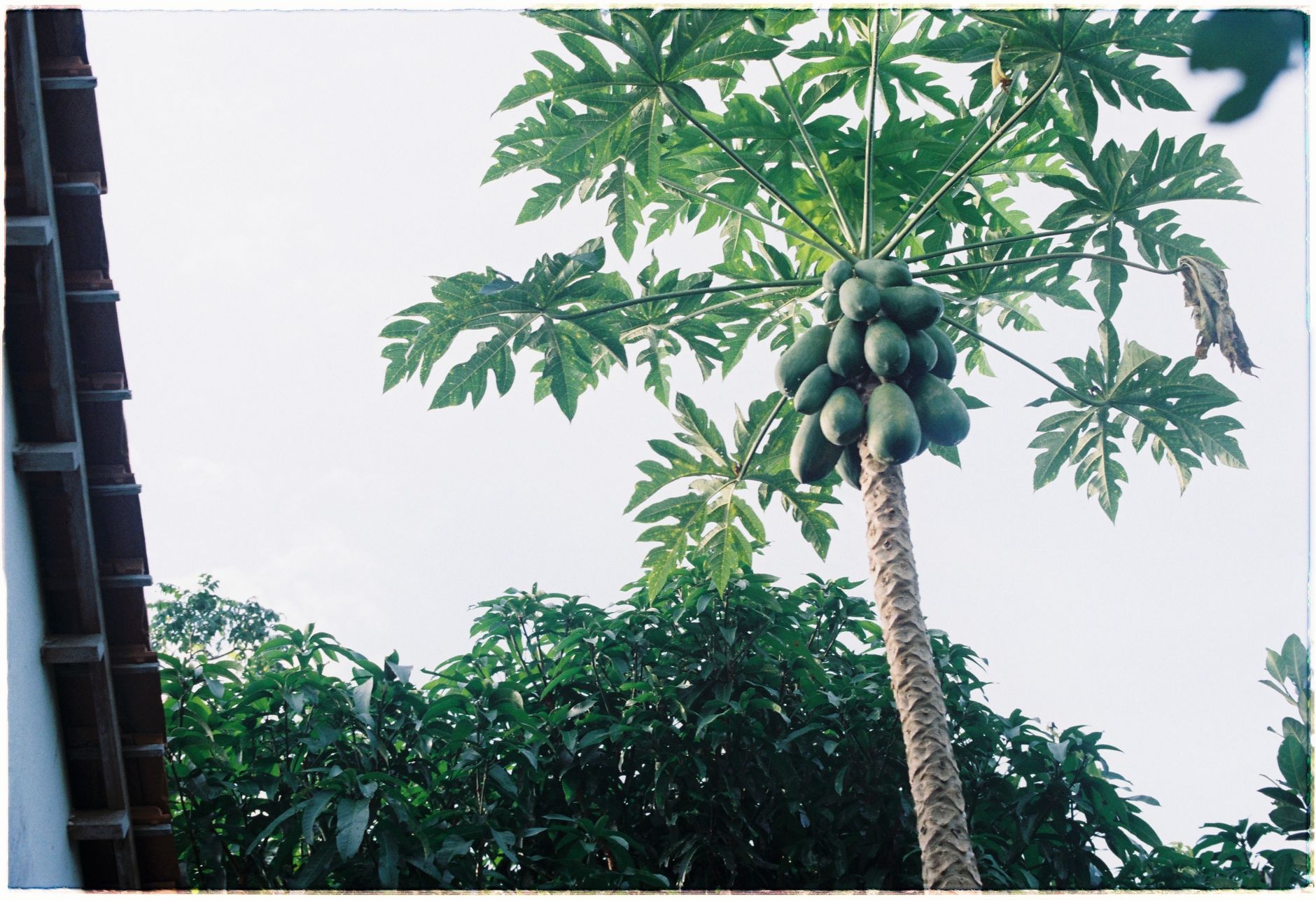
The world of fruit is vast and varied, but one question often piques curiosity: what is the largest fruit? This article delves into the largest fruits available worldwide, emphasizing their unique characteristics, taste, texture, and practical kitchen uses.
From the giant pumpkin to the impressive jackfruit, knowing about the largest fruits can inspire culinary creativity and broaden your palate. In this guide, we’ll explore each fruit’s qualities, uses in cooking, and tips for selecting and storing these remarkable specimens.
What Is the Largest Fruit?
The largest fruit in the world is the pumpkin, specifically the Cucurbita maxima variety, which can grow to astonishing sizes, sometimes exceeding 2,000 pounds. Other contenders for the title include the jackfruit and the giant watermelons. Each of these fruits brings something unique to the table, from versatility in the kitchen to fascinating flavors and textures.
The Pumpkin: Size and Culinary Uses
Pumpkins have a long history, primarily associated with harvest and Halloween. Beyond their festive iconography, they boast a wide variety of culinary uses.
Taste and Texture
The flesh of a pumpkin is dense and moist. Its flavor is mildly sweet, especially when cooked or roasted. The texture can range from creamy when pureed to chunky when cube-cut, depending on the preparation method.
Kitchen Uses
- Soups: Pumpkin soup is a seasonal favorite, often spiced with nutmeg and cinnamon.
- Pies: The classic pumpkin pie is a staple dessert for Thanksgiving in many countries.
- Roasting: Cube and roast pumpkin as a tasty addition to salads or grain bowls.
- Pumpkin Puree: Can be utilized in various baked goods, including muffins and breads.
Selecting and Storing Pumpkins
When selecting a pumpkin, look for one that is firm with a consistent color and no blemishes. Store it in a cool, dry place. A whole pumpkin can last for several months, while cut pieces should be refrigerated and consumed within a week.
The Jackfruit: A Tropical Giant
The jackfruit (Artocarpus heterophyllus) is the largest tree fruit in the world, weighing up to 80 pounds. Known for its fibrous texture and unique flavor, it has gained popularity as a meat substitute in vegan and vegetarian dishes.
Taste and Texture
When ripe, jackfruit has a sweet, fruity flavor reminiscent of bananas and pineapples. Unripe, it has a texture similar to pulled pork, making it ideal for savory dishes.
Kitchen Uses
- Curries: Unripe jackfruit is commonly used in curries, especially in South Asian cuisines.
- Sandwiches: The cooked “meat” of the fruit can be shredded and used in sandwiches as a meat substitute.
- Desserts: Ripe jackfruit is perfect for desserts or smoothies, offering a natural sweetness.
Selecting and Storing Jackfruit
Choose jackfruit that feels heavy for its size. A ripe jackfruit should emit a sweet aroma. Store it in a cool place; once cut, wrap the flesh in plastic and refrigerate it for up to a week.
The Giant Watermelon: A Summer Favorite
Giant watermelons, particularly the cultivar known as “world record watermelons,” can weigh over 300 pounds. Their refreshing flavor and high-water content make them a beloved summer fruit.
Taste and Texture
Watermelon has a crisp, juicy texture with a sweet and mildly floral taste. The flesh is typically bright pink or red, but there are also yellow and orange varieties.
Kitchen Uses
- Salads: Watermelon can be cubed and added to salads for a refreshing twist.
- Smoothies: Blending watermelon with other fruits creates a hydrating smoothie.
- Grills: Grilling watermelon adds a smoky flavor that enhances its sweetness.
Selecting and Storing Watermelon
For the best flavor, choose watermelons that are heavy for their size with a uniform shape. Store whole watermelons at room temperature; once cut, they should be kept in the refrigerator and consumed within a few days.
Other Notable Large Fruits
While pumpkins, jackfruits, and watermelons take the spotlight, several other large fruits are worth mentioning:
Coconut
Coconuts, particularly the green varieties, can be quite large. They provide refreshing water and a creamy flesh that is used in numerous culinary applications.
- Water: The water is a healthy, hydrating drink.
- Milk: The flesh can be blended to make coconut milk, adding creaminess to curries and desserts.
Pawpaw
Pawpaw is native to North America and can grow to a size similar to mangoes or small melons. Its flavor is often compared to a mix of banana, mango, and melon.
- Smoothies: The creamy pulp is perfect for smoothies and desserts.
- Baking: Pawpaw can be used in baked goods, much like pumpkins, for a unique flavor twist.
Durian
Known as the “king of fruits,” the durian is infamous for its distinctive smell and large size. It offers a unique flavor that many describe as custardy with hints of almond.
- Desserts: Often used in ice creams and pastries in Southeast Asia.
- Savory Dishes: In some cultures, it is incorporated into savory dishes or eaten fresh.
Practical Tips for Cooking with Large Fruits
When cooking with the largest fruits, understanding their unique characteristics can enhance your culinary experience. Here are some practical tips to consider:
Preparation Techniques
Many large fruits require specific preparation techniques due to their size and texture. Here are some common methods:
- Peeling: Fruits like jackfruit and pumpkin require sturdy knives to peel and cut properly.
- Roasting: Roasting is an excellent way to enhance the flavors of many large fruits, like pumpkin. Cut them into wedges, drizzle with oil, and season before roasting until tender.
- Puréeing: Create smooth purées for soups or desserts. Slice the fruit into pieces, steam or roast, and blend until smooth.
Common Mistakes to Avoid
When handling large fruits, several pitfalls can diminish the outcome:
- Inadequate Tools: Ensuring you have sharp knives and cutting boards is crucial; dull tools can make the process tedious and dangerous.
- Ignoring Ripeness: Always check for ripeness, as using unripe fruit can lead to undesirable flavors.
- Neglecting Storage: Proper storage is vital to prevent spoilage. Understanding the right conditions can prolong their edibility.
Serving Suggestions
Large fruits can serve as the centerpiece for many dishes. Consider these serving ideas:
- Fruit Salads: Combine various fruits, including cubes of pumpkin and watermelon, for a colorful and refreshing dish.
- Grilled Fruit Skewers: Alternate pieces of jackfruit and watermelon on skewers, grill, and serve as a summer appetizer.
- Garnish: Use roasted pumpkin seeds as a garnish for soups to add a delightful crunch.
Conclusion
The largest fruit varies from pumpkins to jackfruits, giant watermelons, and more. Each fruit brings unique flavors, textures, and culinary potential to your kitchen. Embracing these fruits can significantly diversify your cooking repertoire and enhance your meals.
For those looking to incorporate daring fruits into their cooking, consider exploring resources on freezing watermelon and cutting a dragon fruit effectively. The secrets of these fruits can help you create stunning dishes and impress your guests.
Explore the possibilities of cooking with large fruits, and don’t hesitate to experiment with new recipes to celebrate these remarkable ingredients in fresh and exciting ways. Discover more about freezing watermelon and learn how to cut a dragon fruit effectively for your next culinary adventure!