
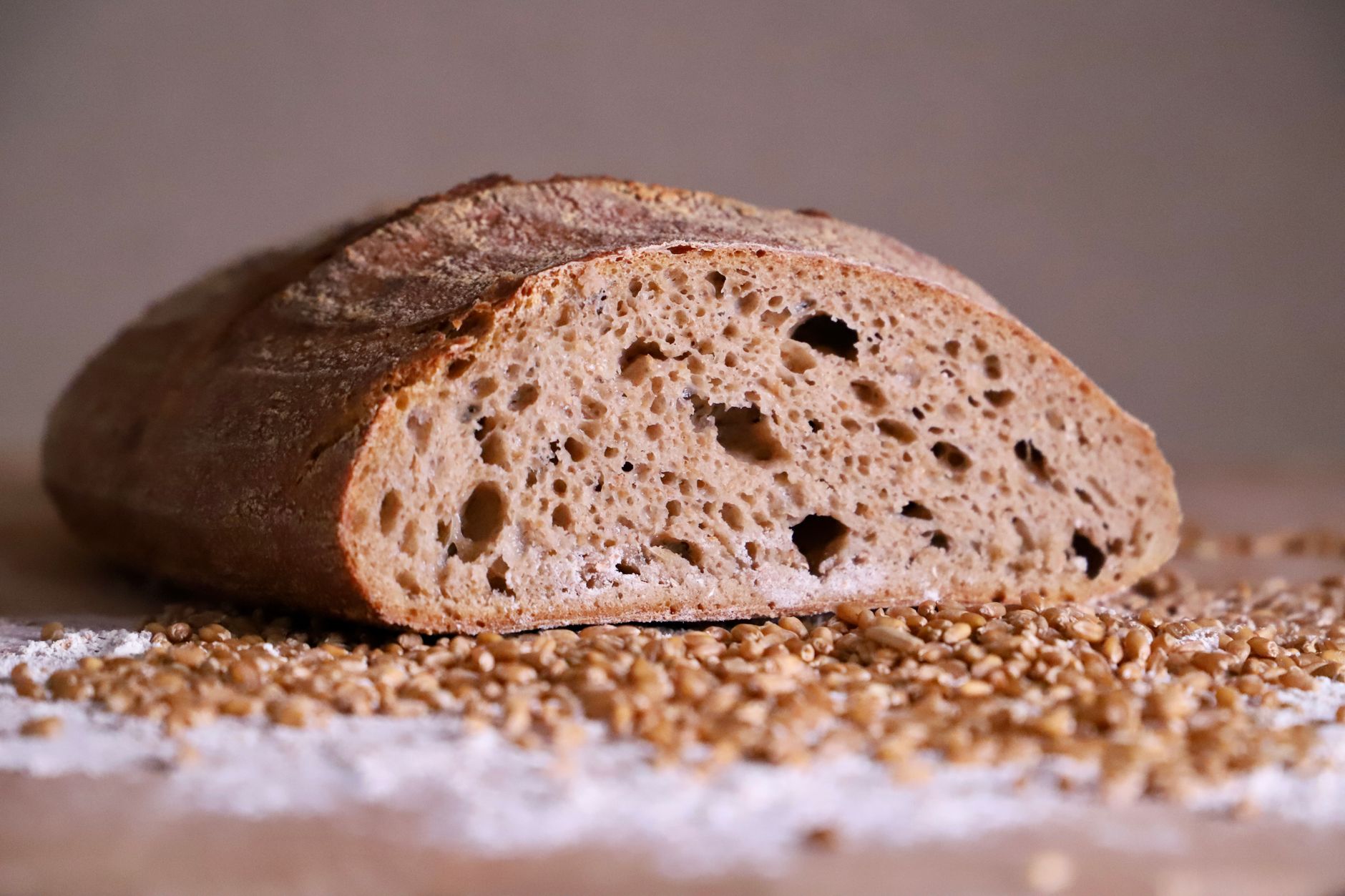
When it comes to homemade sourdough, many people wonder if this beloved bread can fit into a gluten-free diet. Sourdough bread, traditionally made from wheat flour, is not gluten-free by nature. However, there are alternative approaches and ingredients that can lead to gluten-free versions of sourdough.
This guide will explore the properties of sourdough, how gluten-free recipes can be adapted, and provide essential tips for those looking to create a gluten-free sourdough at home.
Is Homemade Sourdough Gluten Free?
No, traditional homemade sourdough made from wheat flour is not gluten-free. However, gluten-free sourdough options can be created using gluten-free flours and other techniques to cultivate the sourdough process without gluten.
Understanding Gluten in Sourdough
Gluten is a protein found in wheat, barley, and rye, responsible for the elasticity and chewiness in many baked goods. In traditional sourdough, wild yeast and lactobacilli bacteria from a sourdough starter ferment the flour, allowing for flavor development and leavening.
For those with celiac disease or gluten sensitivity, consuming gluten can lead to serious health issues. As such, understanding the sources of gluten in sourdough is crucial for safe dietary choices.
What Is Gluten-Free Sourdough?
Gluten-free sourdough is made with gluten-free flours, allowing those who cannot tolerate gluten to enjoy bread with sourdough’s unique flavor profile. The fermentation process in gluten-free sourdough mimics that of traditional sourdough, albeit with some adjustments in technique and ingredients.
Choosing Gluten-Free Flours
Several gluten-free flours can be used to create a gluten-free sourdough starter and bread. Here is a list of popular options:
- Brown Rice Flour – Provides a mild flavor and is a popular choice for gluten-free baking.
- Almond Flour – Adds moisture and a nutty flavor but can yield dense bread if used alone.
- Coconut Flour – Absorbs a lot of moisture; often requires additional liquid in recipes.
- Gluten-Free All-Purpose Flour – Often a blend of various gluten-free flours and starches, this is versatile for many recipes.
- Sorghum Flour – Adds a slight sweetness and works best in combination with other flours.
Creating a Gluten-Free Sourdough Starter
To make gluten-free sourdough, start with a gluten-free sourdough starter. Here’s a simple way to create one:
- Day 1: In a clean jar, mix 1/2 cup brown rice flour with 1/2 cup water. Stir to combine and cover loosely with a lid or cloth.
- Days 2-3: Feed the starter with the same amount of flour and water each day. You should start to see bubbles forming.
- Days 4-7: Continue feeding daily until the starter is bubbly and doubling in size within 4-6 hours of feeding. This indicates it’s ready to use.
Ingredients for Gluten-Free Sourdough Bread
Once you’ve established a gluten-free sourdough starter, you can begin making gluten-free sourdough bread. Here’s a basic ingredient list:
- 1 cup active gluten-free sourdough starter
- 2 cups gluten-free all-purpose flour (or a combination of gluten-free flours)
- 1 cup warm water (about 110°F or 43°C)
- 1 teaspoon salt
- Optional: 2 tablespoons honey or sugar for added sweetness
Steps to Make Gluten-Free Sourdough Bread
Follow these steps to create a gluten-free sourdough bread using your starter:
- In a large mixing bowl, combine the active gluten-free sourdough starter, warm water, and optional sweetener if using. Stir well to combine.
- Add the gluten-free flour and salt to the mixture. Mix until a sticky dough forms. Gluten-free dough will be thicker and denser compared to traditional dough.
- Cover the bowl with a damp cloth and let it rest for 4-6 hours at room temperature, allowing it to rise slightly.
- Once the dough has risen, preheat the oven to 425°F (220°C). Line a baking pan with parchment paper.
- Transfer the dough to the prepared pan and shape it into a loaf. Optionally, score the top of the loaf with a sharp knife.
- Let the loaf rise for an additional 30 minutes while the oven heats up.
- Bake the bread for 30-40 minutes, or until the top is golden brown and sounds hollow when tapped.
- Remove the bread from the oven and let it cool on a rack before slicing.
Adjustments in Gluten-Free Sourdough Baking
There are several adjustments to keep in mind when baking gluten-free sourdough:
- Hydration Levels: Gluten-free flour absorbs different amounts of moisture. Start with the suggested water amount, and adjust as needed for consistency.
- Rising Time: Gluten-free dough may take longer to rise. You may need to experiment to find the optimal rising time for your starter and flour combination.
- Texture: Gluten-free breads often have a denser texture. Including starches, such as tapioca or potato starch, can improve lightness.
Common Mistakes and Troubleshooting
When making gluten-free sourdough, there may be pitfalls along the way. Here are some common issues and how to address them:
- Flat Bread: This can occur if the starter is not active or if there’s not enough moisture. Ensure your starter is bubbly and reach the right hydration consistency.
- Dense Texture: Using only one type of gluten-free flour may lead to a heavy loaf. Combining different flours can help improve the texture.
- Quick Spoilage: Gluten-free breads can spoil faster than traditional bread, so store in a cool, dry place or refrigerate to prolong freshness.
Serving Suggestions for Gluten-Free Sourdough
Enjoy your gluten-free sourdough with a variety of toppings and accompaniments. Here are some suggestions:
- Spreadable Toppings: Use nut butters, cream cheese, or hummus for savory options.
- Sandwiches: Fill gluten-free sourdough with your favorite sandwich fillings for a hearty lunch.
- Toast: Top with avocado, poached eggs, or your favorite jam for a delicious breakfast treat.
Storage and Reheating Guidance
Proper storage is key to maintaining the quality of gluten-free sourdough bread:
- Wrap slices in plastic wrap and store at room temperature for 2-3 days.
- For longer storage, freeze the bread. Slice before freezing for easy access.
- To reheat, toast slices for a few minutes or warm in an oven preheated to 350°F (175°C) for 10 minutes.
Exploring Further Alternatives
If you’re looking for additional gluten-free bread recipes that capture unique flavors and textures, consider exploring options like einkorn sourdough. Einkorn is an ancient grain that contains gluten, but many people with gluten sensitivity tolerate it better than modern wheat.
For general baking and cooking ideas, don’t hesitate to experiment with gluten-free gnocchi. This versatile pasta can provide a hearty alternative to traditional dishes.
Conclusion
While traditional homemade sourdough is not gluten-free due to its wheat flour content, it is entirely possible to make a delicious, gluten-free version using alternative flours and techniques. With the right ingredients, patience, and practice, you can enjoy all the tangy, chewy attributes of sourdough bread without gluten.
If you are interested in further gluten-free recipes, ideas, or cooking tips, explore gluten-free gnocchi for a unique pasta dish and try learning about einkorn sourdough bread for alternatives that still offer a delicious bread experience. Happy baking!