
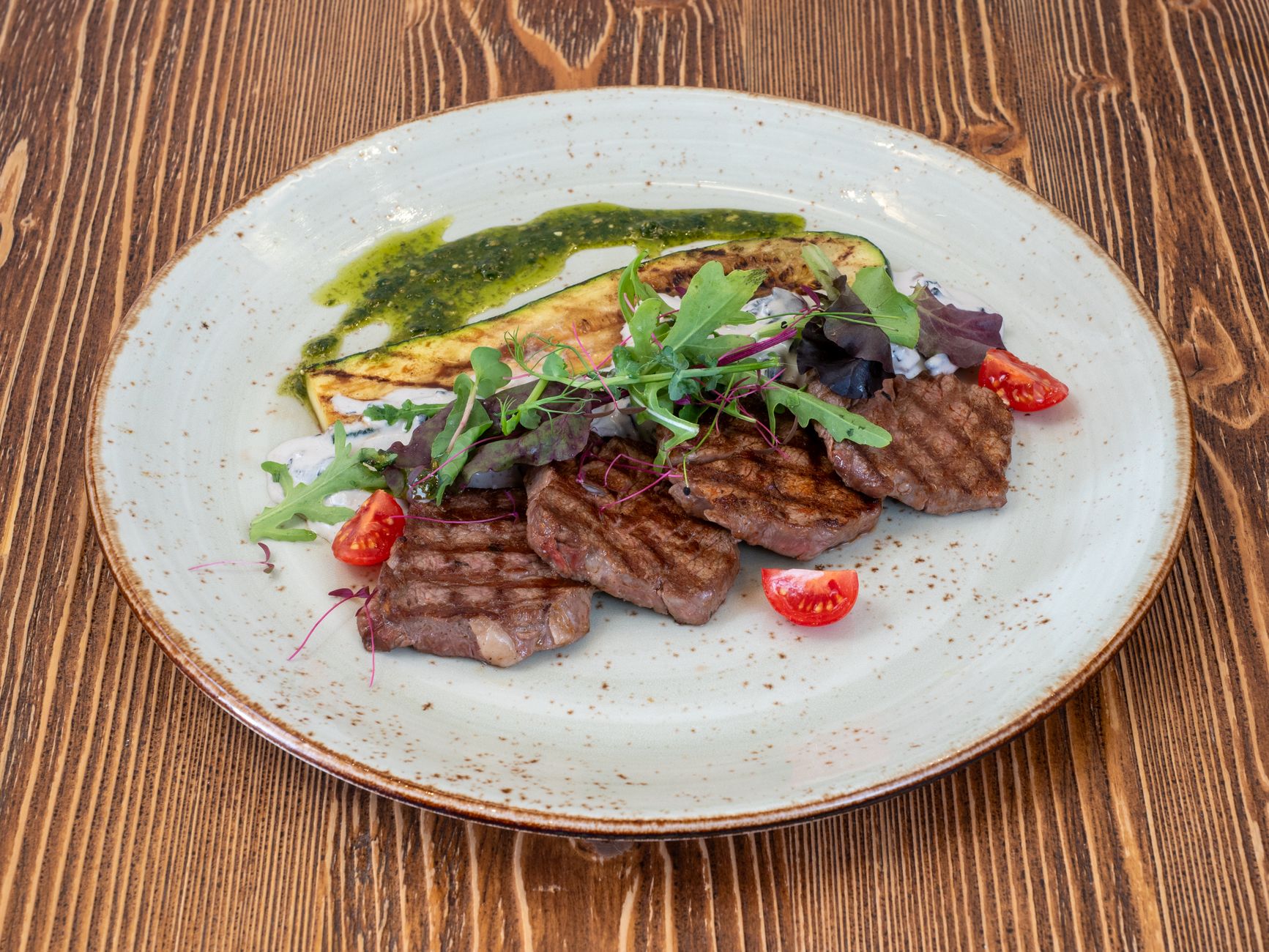
Cooking steak to the right level of doneness can be intimidating for many home cooks. Not only does timing vary based on the steak cut, thickness, and cooking method, but personal preference for doneness adds another layer of complexity. This comprehensive guide aims to provide clarity on cooking steak, covering timing, temperatures, tips, and techniques.
Whether you’re preparing a classic ribeye, a lean tenderloin, or a succulent T-bone, knowing how long to cook steak ensures a delicious meal every time. Let’s explore the essential factors you need to consider for perfect steak, from the grill to the stovetop.
How Long Do I Cook Steak For?
The cooking time for steak largely depends on its thickness, the cut of meat, cooking method, and desired doneness. As a general guideline, steaks are typically cooked for about 4 to 5 minutes per side for medium-rare on high heat, but various factors can influence this timing.
Understanding Doneness Levels
Steak doneness is measured by internal temperatures. Here’s a quick overview:
- Rare: 125°F (51°C) – Cool red center.
- Medium Rare: 135°F (57°C) – Warm red center, very juicy.
- Medium: 145°F (63°C) – Warm pink center, slightly less juicy.
- Medium Well: 150°F (66°C) – Slightly pink center, firmer.
- Well Done: 160°F (71°C and above) – No pink, firm texture.
Factors Influencing Cooking Time
1. Thickness of the Steak
Thicker steaks require longer cooking times. A general rule is that 1-inch steaks take about 10 minutes total for medium-rare (5 minutes per side), whereas 2-inch steaks might take 20 minutes or more.
2. Type of Steak
Different cuts also influence the cooking times:
- Ribeye: Marbled with fat, great for grilling or pan-searing.
- T-Bone: A combination of strip and tenderloin, cooks well at high heat.
- Filet Mignon: Thick and tender, cooks relatively quickly.
- Skirt Steak: Thin and flavorful, requires high heat for a short time.
3. Cooking Method
There are several methods to cook steak, including grilling, pan-searing, broiling, and sous vide. Each method affects cooking time:
- Grilling: High heat; 4-5 minutes per side for medium-rare.
- Pan-Sealing: Similar to grilling, about 5 minutes on each side.
- Broiling: Cooked under high heat, similar timing as grilling.
- Sous Vide: Uses precise temperature control for an extended period; typically 1-4 hours at desired doneness temperature.
Cooking Steak: Step-by-Step Guide
Here’s a method to cook a steak perfectly on the stovetop for medium-rare doneness.
Essential Equipment
- A heavy skillet (preferably cast iron)
- Tongs for flipping
- Instant-read meat thermometer
- Sharp knife
- Cutting board
Ingredients
- 1 ribeye, T-bone, or filet mignon steak (1-1.5 inches thick)
- Salt (coarse or kosher)
- Black pepper
- 2 tablespoons of vegetable oil or clarified butter
- Optional: garlic, rosemary, or thyme for additional flavor
Cooking Steps
- Remove the steak from the refrigerator and let it rest at room temperature for about 30 minutes before cooking. This helps it cook evenly.
- Preheat your skillet over high heat for about 5 minutes until it is very hot. You can test it by sprinkling a few drops of water; they should sizzle and evaporate immediately.
- While the skillet is heating, generously season both sides of the steak with salt and black pepper.
- Add the oil or clarified butter to the hot skillet, making sure it coats the bottom. Wait until it shimmers.
- Place the steak in the skillet away from you to avoid splatter. Let it cook undisturbed for about 4-5 minutes.
- Once a crust forms, use tongs to flip the steak. Cook for an additional 4-5 minutes on the other side for medium-rare.
- For extra flavor, you can add crushed garlic and herbs to the skillet after flipping the steak, basting it during the last couple of minutes of cooking.
- Use an instant-read thermometer to check the internal temperature, aiming for 135°F (57°C) for medium-rare.
- Once done, transfer the steak to a cutting board and let it rest for about 5-10 minutes before slicing. Resting allows juices to redistribute, enhancing flavor and tenderness.
- Slice against the grain and serve!
Common Mistakes to Avoid
Here are some pitfalls when cooking steak and how to avoid them:
- Cooking cold steak: Always bring your steak to room temperature first.
- Overcrowding the pan: Cook one or two steaks at a time to maintain proper heat.
- Not resting the steak: Skipping the resting period leads to loss of juices.
- Cutting into the steak too early: This can release juices prematurely.
- Neglecting the thermometer: Relying solely on time without checking the internal temperature can lead to overcooked or undercooked steak.
Tips for Different Cooking Methods
Each cooking method has its own nuances. Here are some tailored tips:
Grilling
Preheat the grill and oil the grates to prevent sticking. Sear both sides for about 3-4 minutes, then move to indirect heat to finish cooking to desired doneness. For thicker steaks, use a two-zone method to control temperature.
Broiling
Position the oven rack so the steak is about 3-6 inches from the heating element. Broil for 4-5 minutes on each side, but the exact time depends on the steak’s thickness. Keep a close eye to prevent burning.
Sous Vide
For a perfectly cooked steak, use a sous vide machine set to your desired temperature. Vacuum-seal the steak with seasonings and cook for 1 to 4 hours. Sear the steak in a hot skillet to develop a crust afterward.
Serving Suggestions
Steak can be served in various ways to enhance the meal:
- Serve with a compound butter made with herbs and garlic.
- Accompany with sides like roasted vegetables, mashed potatoes, or a fresh salad.
- Pair with red wine for a classic dining experience.
- Top with chimichurri or a rich steak sauce for added flavor.
Storing and Reheating Steak
If you have leftover steak, it should be refrigerated within two hours of cooking. Store it in an airtight container for up to 3-4 days.
To reheat, use the following methods:
- Stovetop: Slice the steak and quickly warm in a skillet over low heat, adding a bit of broth or water to maintain moisture.
- Oven: Preheat to 250°F (121°C), place the steak on a baking sheet, and heat for 20-30 minutes until warmed through.
Always aim to heat steak slowly to avoid overcooking it further. Using high heat can cause tough meat.
How to Choose the Right Steak for Your Meal
Understanding the different types of steak cuts helps when deciding what to cook:
- Ribeye: Known for its marbling, it’s juicy with a robust flavor.
- Sirloin: Leaner with good flavor, suitable for grilling or stir-frying.
- Filet Mignon: Extremely tender; best suited for quick cooking methods.
- Flank Steak: Flavorful and best marinated; perfect for stir-fries or fajitas.
Choosing the right cut can enhance the flavor and texture of your meal, making it essential to consider your cooking technique and desired outcome.
Practical Substitutions and Variations
Sometimes you may want to tweak your steak preparation. Here are some practical substitutions:
- Salt: Use garlic powder or a spice rub as an alternative, but remember to adjust quantities for similar flavor strength.
- Cooking fat: Olive oil can replace butter, though it will impart a different flavor profile.
- Herbs: Fresh herbs can be replaced with dried; use about one-third of the amount required for fresh herbs.
Conclusion
Cooking steak involves understanding timing and temperature tailored to the steak cut and personal preference. By following these guidelines and utilizing a meat thermometer, you can achieve perfectly cooked steak every time.
Next, explore how to make a delicious minute steak or try out a T-bone steak recipe to further enhance your culinary skills.