
Salt is more than just a seasoning; it plays a crucial role in enhancing flavors and preserving foods. With various types available, each comes with its own unique properties, flavors, and culinary uses. Understanding these differences can help you choose the best salt for your specific needs, whether in cooking, baking, or even as a finishing touch.
This article explores the different types of salt, their flavors, and the best ways to use them in your kitchen. By the end, you’ll have a clearer idea of what salt is right for you and your culinary adventures.
What Salt Is Best for You?
The best salt for you depends on several factors, including flavor preferences, cooking techniques, and dietary needs. Common choices like table salt, sea salt, and specialty salts each have unique characteristics. Understanding these can guide you in making the right choice for your recipes and health.
Types of Salt and Their Characteristics
Salt comes in many varieties, each offering distinct flavors and textures. Here’s a look at the most popular types and their best uses:
1. Table Salt
Table salt is common in kitchens and restaurants. It is finely ground and usually iodized to prevent iodine deficiency.
- Flavor: Salty with a straightforward taste.
- Uses: Ideal for everyday cooking, baking, and seasoning dishes before serving.
2. Sea Salt
Harvested from evaporated seawater, sea salt tends to have larger, coarser grains. It can range from fine to chunky, depending on the harvesting method.
- Flavor: Often has a more complex flavor profile due to minerals absorbed from the ocean.
- Uses: Excellent for finishing dishes and seasoning meats. Its textures add a crunchy element to salads and baked goods.
3. Himalayan Pink Salt
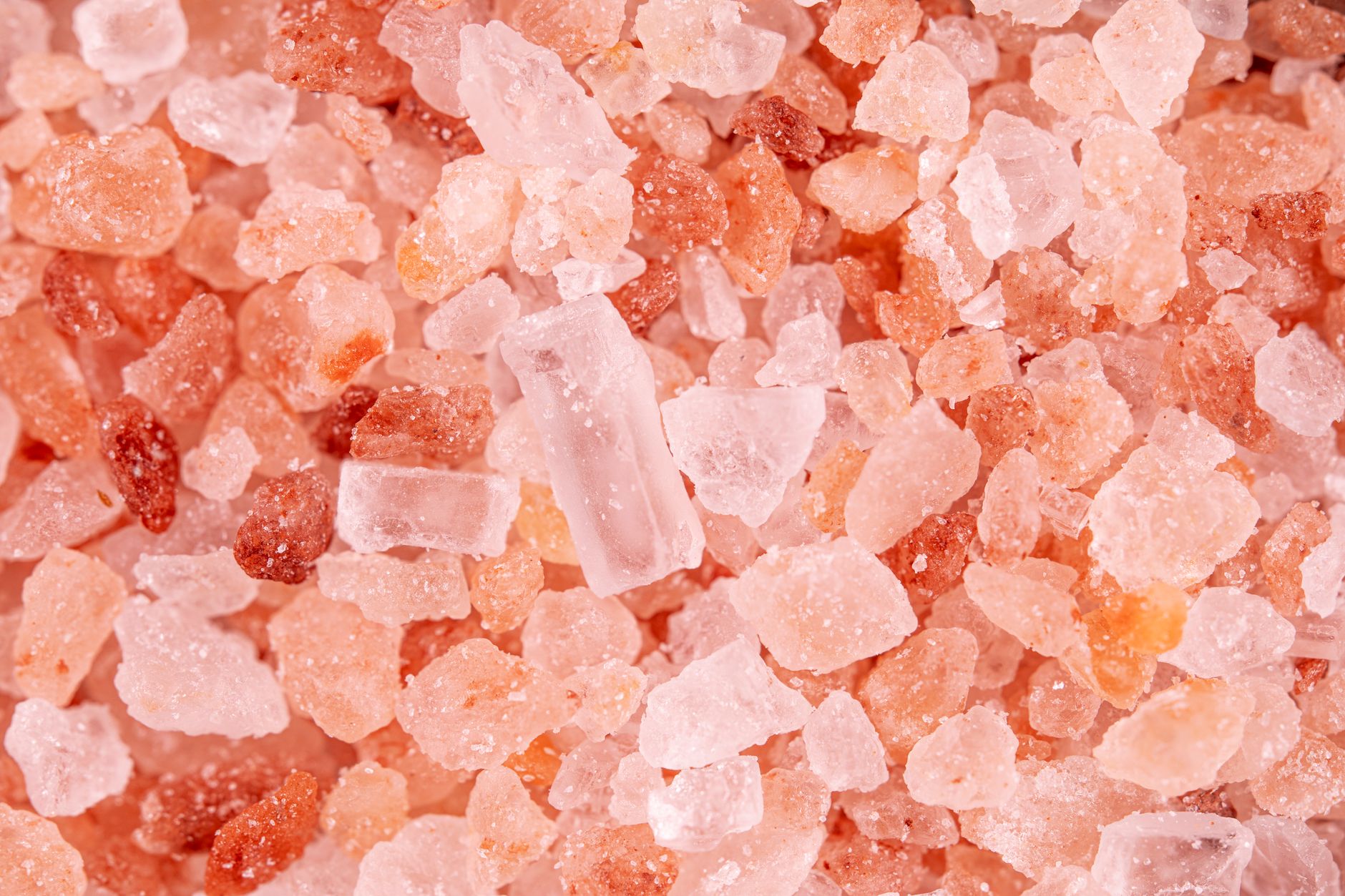
Himalayan pink salt, sourced from mines in Pakistan, is celebrated for its mineral content and beautiful pink hue.
- Flavor: Milder taste with slight undertones from the minerals.
- Uses: Great for cooking and as a finishing salt, it’s also ideal for salt blocks used for grilling or serving.
4. Kosher Salt
Kosher salt is popular among chefs for its coarse texture, which makes it easy to pinch and sprinkle over food.
- Flavor: Mildly salty and less intense than table salt.
- Uses: Perfect for seasoning meat prior to cooking and for general cooking. Its size helps in controlling the distribution of salt over food.
5. Flaky Sea Salt
This salt has a light, flaky texture and is typically used as a finishing touch on dishes.
- Flavor: Clean and bold saltiness.
- Uses: Ideal for sprinkling on top of baked goods, salads, and even chocolates.
6. Fleur de Sel
Fleur de Sel is a hand-harvested French sea salt considered one of the finest salts available.
- Flavor: Delicate and complex with a slight brininess.
- Uses: Best used as a finishing salt due to its unique flavor and texture.
7. Black Salt (Kala Namak)
Also known as black salt, Kala Namak is a type of rock salt with a distinctive color and has a strong, smoky flavor.
- Flavor: Sulfurous taste, similar to hard-boiled eggs.
- Uses: Popular in Indian cuisine, it’s great for seasoning salads, raitas, and some snack foods.
8. Smoked Salt
Smoked salt is made by smoking salt crystals over a wood fire, infusing a rich smoky flavor into the salt.
- Flavor: Intense and savory, with hints of the wood used in the smoking process.
- Uses: Excellent for seasoning meats, grilled vegetables, or adding depth to soups and stews.
Choosing the Right Salt for Specific Uses
The right salt can make a notable difference in your culinary creations. Here are some guidelines for selecting salt based on cooking methods:
Cooking and Baking
In general, table salt or kosher salt is preferred for baking due to their fine granulation, which makes it easier to measure and mix into batters.
- Use table salt for baking when precise measurements are crucial.
- For savory dishes, kosher salt is ideal for its ease of use and balanced flavor.
Grilling and Roasting
During grilling or roasting, coarser salts hold up better against high heat.
- Kosher salt is excellent for seasoning meats before cooking.
- Himalayan salt blocks can add not only flavor but also a unique presentation.
Finishing Touches
For garnishing and adding final flares of flavor, flaky sea salt or fleur de sel elevates dishes beautifully.
- Try using flaky sea salt on meats, baked goods, or even chocolates.
- Fleur de sel can add sophistication and an extra flavor layer to delicate dishes.
Health Considerations
While salt is essential for our bodies in moderation, excessive sodium intake has been linked to various health issues. Here are some points to consider:
Sodium Intake
The typical recommendation for sodium intake is around 2,300 mg per day for most adults. However, people with specific conditions may need to limit their intake further.
Iodized Salt
Iodized table salt is an important source of iodine, which supports thyroid function. If you primarily use non-iodized salts, consider other sources of iodine in your diet.
Choosing Low-Sodium Options
If you’re aiming to reduce sodium, consider using herbs and spices to enhance flavors without extra salt. Low-sodium and salt-free seasoning blends can also provide flavor without the sodium.
Common Mistakes When Using Salt
Even experienced cooks can make missteps with salt. Awareness of common mistakes can help elevate your culinary skills.
Underestimating Salt’s Role
Salt does more than make food taste salty; it enhances flavors and can balance sweetness. Skipping salt, especially in baking, can lead to bland results.
Over-Salting
Using too much salt can overwhelm your dishes. Start small, taste, and adjust accordingly. This is especially critical when using salt varieties like fleur de sel, which can pack a punch.
Not Adjusting for Different Salts
Different salts have varying grain sizes and flavors. For example, coarse kosher salt takes longer to dissolve than fine table salt, affecting salt distribution in the dish.
Storage Tips for Shelf Life
To maintain salt quality and flavor, follow these storage guidelines:
Keep It Dry
Moisture can cause salt to clump or lose flavor. Store salt in a cool, dry place, in airtight containers if possible.
Avoid Odor Absorption
Salt can absorb moisture and odors. To prevent this, store it away from strong-smelling foods and spices.
Time Considerations
While salt itself doesn’t spoil, salt infused with flavors or containing added ingredients may lose potency over time. Always check for changes in aroma and texture.
Practical Substitutions for Salt
Sometimes, you may find yourself out of salt or looking to substitute it for health reasons. Here are a few alternatives:
- Herbs and Spices: Fresh herbs like basil, parsley, or spices like paprika can enhance flavors without added sodium.
- Citrus Juices: Lemon or lime juice can brighten a dish similarly to salt.
- Vinegars: A splash of vinegar can provide acidity and depth without needing salt.
Practical Cooking Tips Using Salt
Here are some practical tips for using salt effectively in your cooking:
- Salting Water: When boiling pasta or vegetables, add salt to the water for enhanced flavor, which will permeate the ingredients.
- Brining: Use salt in a brine solution for meats and veggies to enhance moisture and flavor. Even a simple water-salt solution can yield delicious results.
- Salting Layers: Season food in layers while cooking for maximum flavor development.
Conclusion
Understanding the different types of salt and their unique properties can help you elevate your cooking. Whether you prefer table salt for everyday use, flaky sea salt for finishing, or exploring specialty salts, making an informed choice can enhance flavors and improve your overall culinary experience.
For practical applications, try experimenting with salt in various dishes or explore specific recipes such as Salt Potatoes or add a crunchy touch to your snacks with Saltine Crackers. Discover how the right salt can completely change the way you enjoy cooking and eating!