
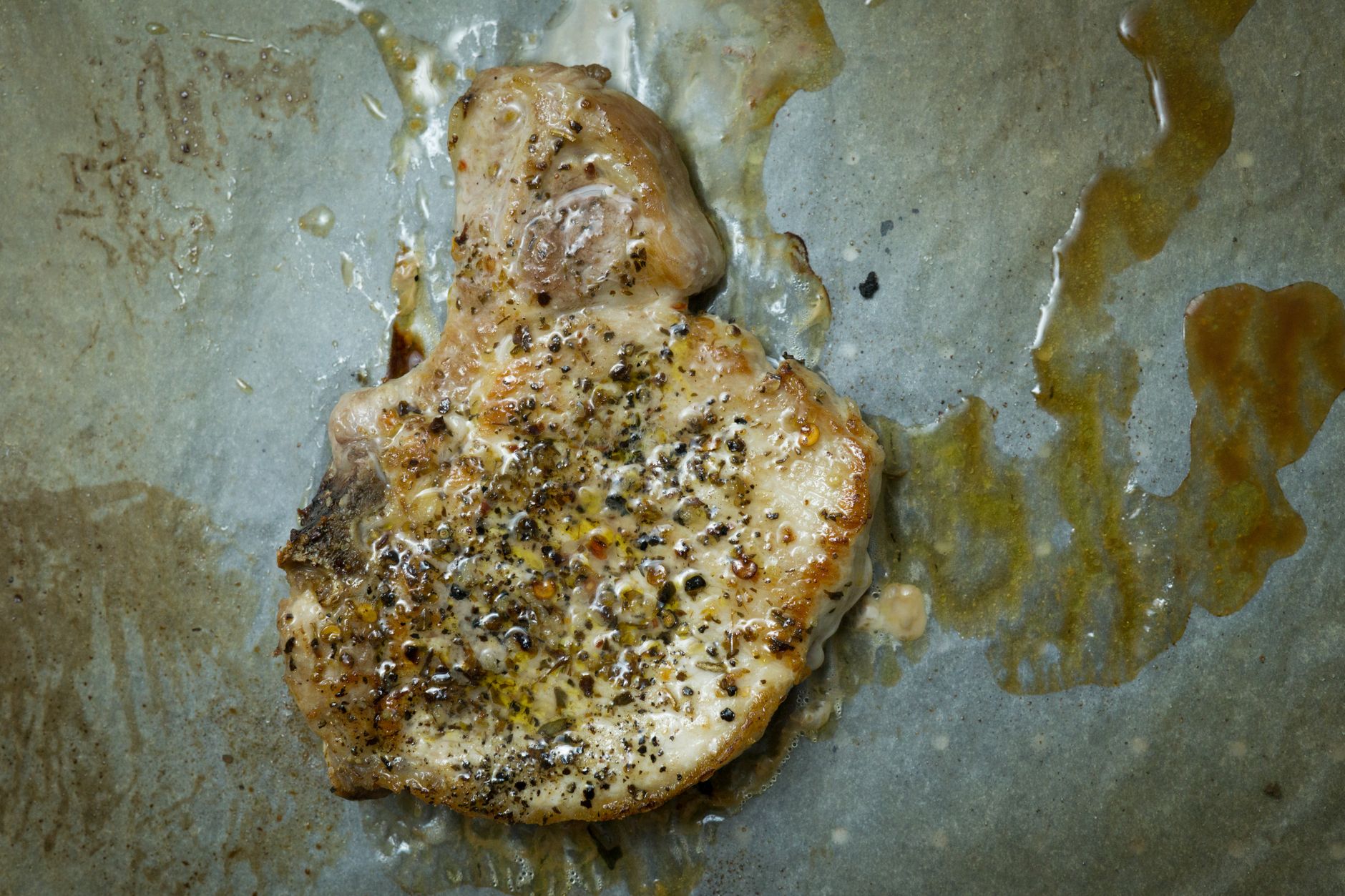
Pork chops are a versatile and flavorful cut of meat that can be prepared in various ways, from grilling to baking to frying. Understanding the proper cooking time for pork chops is essential to achieve the perfect balance of tenderness and juiciness. This guide will help you master the art of cooking pork chops, providing insights on time, techniques, and doneness.
Whether you’re cooking boneless or bone-in chops, the time needed can vary based on several factors, such as thickness and cooking method. Let’s explore how long pork chops should cook and what to look for to ensure they’re safe and delicious.
How Long Should Pork Chops Cook?
The cooking time for pork chops varies primarily based on thickness and the method used. Generally, 1-inch thick pork chops should be cooked for about 6 to 8 minutes per side when grilled or pan-fried. When baking at 375°F (190°C), the total time should be roughly 25 to 30 minutes. Always ensure that pork reaches an internal temperature of 145°F (63°C) for safe consumption.
Types of Pork Chops
Pork chops come in different varieties, each affecting cooking time and flavor:
- Bone-in Pork Chops: These chops have a rib bone and tend to retain moisture better, often resulting in a more flavorful dish.
- Boneless Pork Chops: Without the bone, these are typically leaner and may require slightly less cooking time.
- Thick-Cut Pork Chops: Chops that are more than 1 inch thick need additional cooking time compared to standard cuts.
- Thin-Cut Pork Chops: These are generally about 1/2 inch thick and cook much faster, often in just 3 to 5 minutes per side.
Cooking Methods and Times
Grilling Pork Chops
- Preheat your grill to medium-high heat.
- Season your pork chops as desired. This could include salt, pepper, and your choice of spices or marinades.
- Grill bone-in pork chops for about 6 to 8 minutes per side, and boneless pork chops for 5 to 7 minutes per side.
- Use a meat thermometer to check doneness; aim for an internal temperature of 145°F (63°C).
Pan-Frying Pork Chops
- Heat a skillet over medium heat and add a small amount of oil.
- Season the pork chops and place them in the hot skillet.
- Fry bone-in chops for about 6 to 8 minutes per side, and boneless chops for 4 to 5 minutes per side.
- Again, ensure the internal temperature reaches at least 145°F (63°C).
Baking Pork Chops
- Preheat your oven to 375°F (190°C).
- Season the pork chops and place them in a baking dish. Optionally, you can add a bit of broth or apple juice for extra moisture.
- Bake for approximately 25 to 30 minutes, depending on the thickness of the chops.
- Check the internal temperature; it should reach 145°F (63°C).
Slow Cooking Pork Chops
- Season your pork chops and place them in the slow cooker.
- Add any desired liquids or vegetables.
- Cook on low for 4 to 6 hours or on high for 2 to 3 hours.
- Again, ensure internal temperature reaches at least 145°F (63°C).
Doneness and Temperature Guidelines
Evaluating the doneness of pork chops is crucial for both safety and taste. The USDA recommends cooking all pork to an internal temperature of 145°F (63°C), followed by a three-minute rest period. This ensures that any harmful bacteria are eliminated while keeping the meat tender and juicy.
Temperature Check: How to Use a Meat Thermometer
Using a meat thermometer is the most reliable way to determine doneness. Here’s how to check:
- Insert the thermometer into the thickest part of the chop, avoiding bone.
- Make sure it reads at least 145°F (63°C).
- If the temperature is below this threshold, continue cooking and check again.
Visual and Texture Cues
In addition to temperature, you can look for these signs of doneness:
- The juices should run clear, not pink.
- The meat should appear opaque and firm to the touch.
Common Mistakes When Cooking Pork Chops
A few common errors can lead to overcooked or flavorless pork chops:
- Not letting them rest: Allow at least three minutes for cooked chops to rest. This helps redistribute the juices.
- Cooking at too high heat: While it might seem tempting to sear pork chops at high temperatures, it can lead to burnt outsides and raw insides. Aim for medium heat.
- Overcooking: Pork can dry out quickly. Use a thermometer to avoid this issue.
- Skipping seasoning: A little seasoning goes a long way in enhancing flavor. Consider marinating your pork chops before cooking for added flavor.
Flavor Variations and Serving Suggestions
Pork chops are a blank canvas for a multitude of flavors. Here are some ideas for marinades and spice blends:
- Garlic and Herb Marinade: Combine minced garlic, fresh rosemary, thyme, and olive oil.
- Asian-Inspired: Marinate in soy sauce, ginger, honey, and sesame oil.
- BBQ Style: Use your favorite barbecue sauce for basting while grilling.
When serving, consider accompanying your pork chops with one of the following sides:
- Mashed potatoes with gravy
- Roasted vegetables
- Apple sauce or roasted apples for a sweet contrast
- Steamed broccoli or green beans
Make-Ahead and Storage
If you’re preparing meals in advance, consider these tips:
- Cooked pork chops can be stored in the refrigerator for up to three days.
- To freeze, let chops cool completely, then wrap them tightly and store in an airtight container for up to three months.
- To reheat, use an oven set to 350°F (175°C) until warmed through, or microwave in short intervals.
Conclusion
Cooking pork chops requires attention to time and temperature, but the reward is well worth it. By following the right methods and tips, you can create a delicious meal that showcases the tender and juicy nature of this cut of meat.
For more delicious recipes, check out our guides on how long to bake boneless pork chops and try our baked pork chop recipe for a flavorful dinner option.