
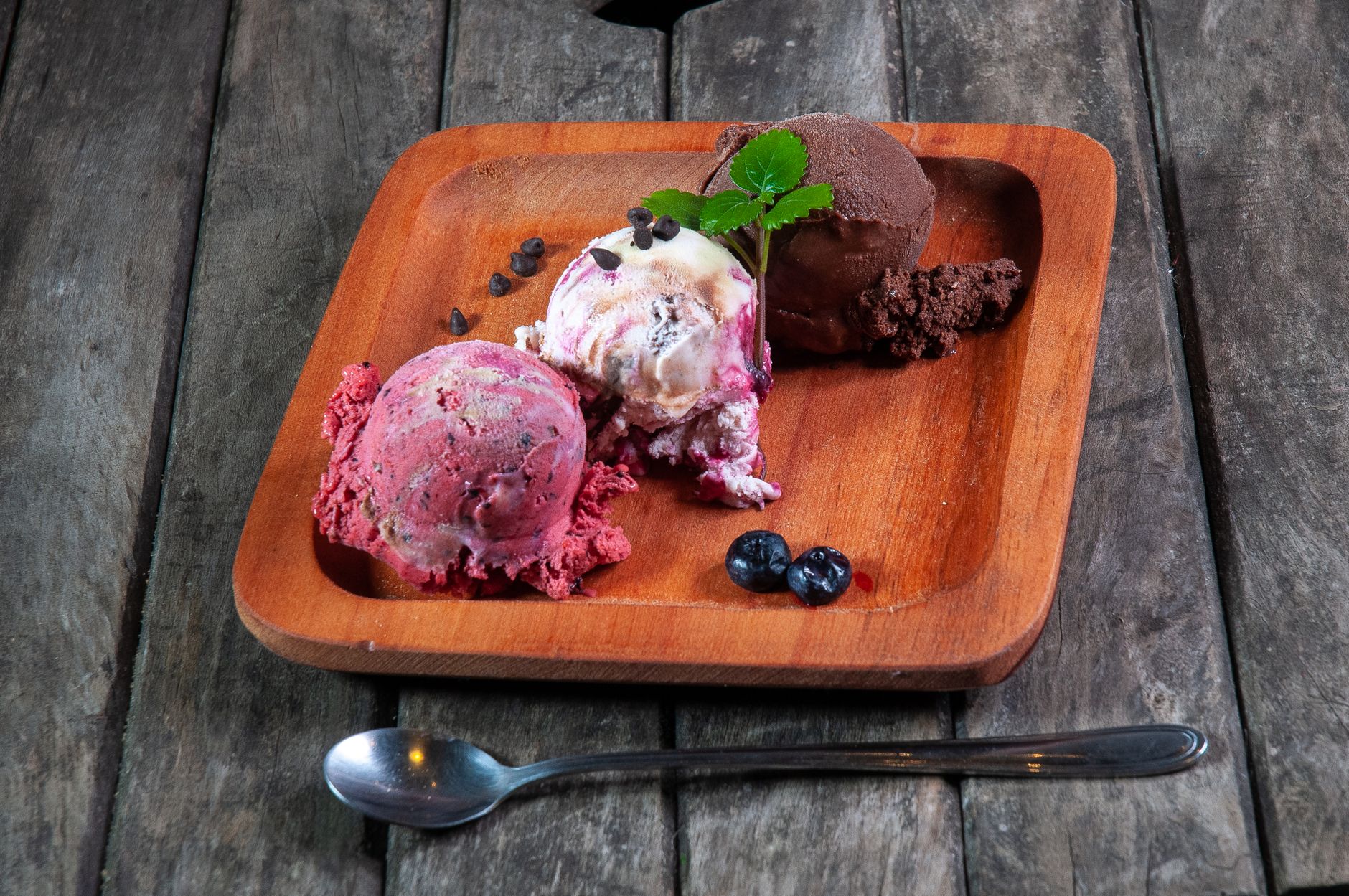
Ice cream is a beloved treat enjoyed by many, boasting a variety of flavors and textures that can satisfy any sweet tooth. When indulging in this creamy dessert, it’s important to understand how many calories are contained in each serving. This knowledge can help you make informed choices whether you are treating yourself, maintaining a healthy diet, or planning meals.
In this article, we will explore the calorie content of ice cream, variations among different flavors and brands, and ways to enjoy this delightful dessert with mindfulness. Let’s dive into the sweet world of ice cream while focusing on its nutrition!
How Many Calories Does Ice Cream Have?
The calorie count for ice cream generally ranges from 150 to 300 calories per half-cup serving, depending largely on the ingredients, flavor, and brand. Traditional ice cream made with milk, cream, sugar, and eggs tends to be higher in calories, while lighter options, such as sorbets or frozen yogurts, may have fewer calories.
Understanding Ice Cream Calorie Count by Type
The type of ice cream you choose plays a significant role in determining its calorie content. Below, we’ll break down the calorie ranges for various kinds of ice cream:
1. Regular Ice Cream
Regular ice cream is usually made from milk, cream, sugar, and stabilizers. This rich dessert is known for its creamy texture and indulgent flavors. A typical half-cup serving can have:
- Vanilla: 207 calories
- Chocolate: 216 calories
- Strawberry: 144 calories
2. Light Ice Cream
Light ice cream is generally lower in fat and calories compared to regular ice cream. These are often made with artificial sweeteners to reduce the calorie count. A half-cup serving typically contains:
- Vanilla: 130 calories
- Chocolate: 140 calories
- Mint Chocolate Chip: 120 calories
3. Frozen Yogurt
Often considered a healthier alternative, frozen yogurt may contain live cultures and is typically lower in fat. However, it can still be high in sugar. A half-cup serving usually has:
- Plain: 110 calories
- Fruit-flavored: 130 calories
- Chocolate: 160 calories
4. Sorbet
Sorbet is dairy-free and often made with fruit puree and sugar, making it lower in calories. A half-cup serving generally contains:
- Fruit-based Sorbet: 120 calories
- Lemon Sorbet: 130 calories
5. Non-Dairy Ice Cream
With the rise of vegan and lactose-free diets, there are numerous non-dairy ice creams made from almond milk, coconut milk, or cashew milk. Caloric content can vary, but you can expect:
- Coconut Milk: 180 calories
- Almond Milk: 100 calories
Factors Affecting Caloric Content
When considering how many calories are in ice cream, various factors come into play. Let’s examine some of the most influential aspects:
1. Ingredients
The main ingredients you use will significantly impact calorie count. For instance:
- Additions like nuts, chocolate chips, or swirls of caramel increase the calorie count.
- Using whole milk vs. low-fat or non-fat milk will also change the caloric density.
2. Serving Size
Understanding portion control is crucial. A standardized serving is half a cup, but many individuals may consume larger portions unknowingly. Caloric intake increases significantly with larger servings: just doubling your serving increases calories accordingly.
3. Brands
Different brands have varying formulations. Premium brands that use more cream and less air during the churning process often have higher calories compared to cheaper, more commercial options.
How to Enjoy Ice Cream Mindfully
While indulging in ice cream can be a delightful experience, maintaining balance is key. Here are some tips to enjoy this treat mindfully:
1. Watch Portion Sizes
Use measuring cups or scoop sizes to ensure standard servings. Instead of diving in straight from the tub, serve yourself a defined amount and return the rest to the freezer.
2. Choose Your Flavor Wisely
Consider which flavor combination you crave the most. Opt for lower-calorie options, like sorbet for a refreshing treat or light ice cream for a rich dessert without as many calories.
3. Pair with Fruits
Add sliced fruits like bananas, strawberries, or berries on top of your ice cream. Not only does it enhance the flavor, but it also adds volume and nutrients without significantly increasing calories.
4. Consider Frozen Yogurt Bars
Frozen yogurt shops often allow you to create your unique blend. Choose healthier toppings like nuts or fruits to accompany your selection.
Common Misconceptions About Ice Cream
There are several misconceptions about ice cream that could lead to overindulgence or misjudgments regarding its health properties:
1. Lower Sugar Equals Lower Calories
Some assume that sugar-free or low-sugar options have fewer calories, but this is not always the case. Many sugar substitutes can add calories back into the product.
2. All Ice Creams Are the Same
Believing that all ice cream products have the same caloric content is misleading. The recipe variations among homemade and store-bought ice creams create different calorie counts.
How to Make Ice Cream at Home
Making ice cream at home can be fun and allows you to control the ingredients and opt for healthier varieties. Below are some basic steps and a simple recipe:
Ingredients
- 2 cups heavy cream
- 1 cup whole milk
- 3/4 cup sugar
- 1 tablespoon pure vanilla extract
Equipment Needed
- Ice cream maker
- Mixing bowls
- Whisk or electric mixer
Process
- In a mixing bowl, whisk together the sugar and milk until the sugar dissolves.
- Add the heavy cream and vanilla extract. Mix until well combined.
- Chill the mixture in the refrigerator for at least 2 hours.
- Pour the chilled mixture into your ice cream maker and churn according to the manufacturer’s instructions.
- Transfer the ice cream to a container and freeze for at least 4 hours before serving.
Substitutions for Healthier Ice Cream
If you’re looking to lighten your homemade ice cream without sacrificing flavor, consider these substitutions:
- Replace heavy cream with half-and-half or whole milk.
- Use natural sweeteners like honey or agave instead of granulated sugar.
- Add pureed fruits or nut butters for flavor instead of chocolate or caramel swirls.
Common Mistakes When Making Ice Cream
Like any recipe, there are common pitfalls when making ice cream. Here are a few tips to help you improve:
- Not chilling the mixture thoroughly can lead to a grainy texture.
- Over-churning can cause the ice cream to become too hard.
- Not allowing enough freezing time after churning can result in a soft product.
Storage Tips for Ice Cream
Proper storage is vital to preserving the quality of your ice cream. Here are ways to extend its shelf life:
- Store ice cream in an airtight container to prevent freezer burn.
- Keep the container away from the fridge’s air vent to maintain a consistent temperature.
- Allow ice cream to soften for a few minutes before scooping to avoid melting and refreezing.
Conclusion
Ice cream is undoubtedly a delightful treat but understanding its calorie content and variations can help you enjoy it in moderation. Whether you choose regular, light, or homemade versions, being aware of how many calories are in each serving empowers you to make better dietary choices. So, the next time you indulge, savor every scoop mindfully!
If you’re interested in more sweet treats, explore our Wendy’s Frosty Recipe or try our KitchenAid Ice Cream Recipe to create your delectable desserts.