
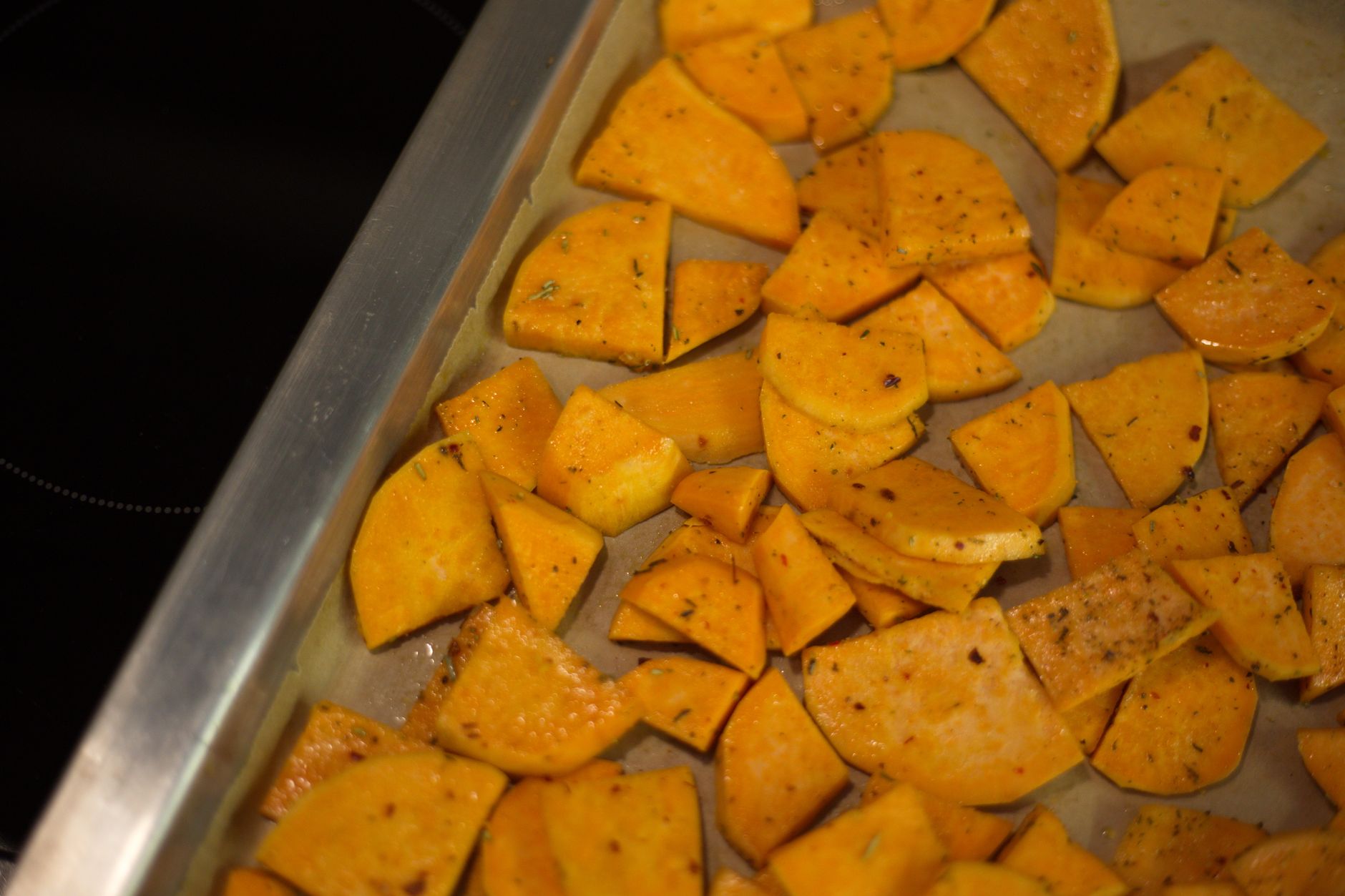
Sweet potatoes are a versatile and nutritious vegetable that can be enjoyed in various ways, but roasting brings out their natural sweetness and enhances their texture. Whether you’re looking to create a comforting side dish, add to salads, or simply snack on some delicious roasted sweet potatoes, this guide will walk you through the process and provide tips for achieving the best flavor and texture.
In this article, you’ll learn how to perfectly roast sweet potatoes, understand the essentials like preparation and cooking times, and discover flavor variations. No matter your culinary skill level, roasting sweet potatoes is a straightforward technique that results in a delicious dish.
How Do You Roast Sweet Potatoes?
Roasting sweet potatoes involves cooking them in the oven until they are tender, caramelized, and flavorful. The process allows the sugars in the potatoes to caramelize at high temperatures, developing a naturally sweet and hearty flavor.
Flavor and Texture of Roasted Sweet Potatoes
Roasted sweet potatoes have a sweet, earthy flavor profile, combined with a slightly crispy exterior and a soft, fluffy interior. Ideal roasting brings out their natural sugars, yielding a delightful sweetness that pairs well with savory spices, herbs, and toppings.
Flavor Variations
While roasted sweet potatoes are delicious on their own, various flavor combinations can elevate their taste:
- Spicy: Add cayenne pepper or chili powder for a kick.
- Sweet: Toss with cinnamon and nutmeg for a warm flavor.
- Savory: Incorporate garlic powder or smoked paprika for depth.
- Herbaceous: Enhance with rosemary or thyme for added freshness.
Choose the Right Sweet Potatoes
To get the best results, it’s essential to choose the right type of sweet potatoes. Here are the two main varieties you may encounter:
- Orange Flesh: Rich in beta-carotene, these are the sweet potatoes most commonly found in grocery stores. They have a moist texture and are perfect for roasting.
- White Flesh: Similar in taste to traditional potatoes, they are drier and starchier, but can also be roasted. They may not caramelize as well as orange-fleshed varieties.
What You’ll Need to Roast Sweet Potatoes
Roasting sweet potatoes is simple and requires minimal equipment. Here’s a quick rundown of what you need:
- Ingredients:
- Sweet potatoes (2-4 medium-sized)
- Olive oil (2-3 tablespoons)
- Salt (to taste)
- Pepper (to taste)
- Your choice of spices or herbs (optional)
- Equipment:
- Oven
- Baking sheet or roasting pan
- Parchment paper (optional for easy cleanup)
- Knife and cutting board
- Mixing bowl
Step-by-Step Guide to Roasting Sweet Potatoes
Preparation Time: 10-15 minutes
Cooking Time: 25-35 minutes
Total Time: 35-50 minutes
- Preheat the Oven: Preheat your oven to 425°F (220°C). A hot oven is essential for achieving crispy edges.
- Prepare the Sweet Potatoes: Wash your sweet potatoes thoroughly to remove any dirt. If you prefer, peel them using a vegetable peeler, although leaving the skin on adds extra nutrients and texture.
- Cut the Sweet Potatoes: Dice the sweet potatoes into even cubes about 1-inch in size. This ensures uniform cooking and promotes even browning.
- Toss with Oil and Seasoning: In a mixing bowl, combine the diced sweet potatoes with olive oil, salt, pepper, and any spices or herbs of your choice. Toss until evenly coated.
- Spread on Baking Sheet: Line your baking sheet with parchment paper for easy cleanup and spread the sweet potatoes in a single layer. Avoid overcrowding to ensure they roast and do not steam.
- Roast: Place the baking sheet in the preheated oven and roast for 25-35 minutes. About halfway through, stir the sweet potatoes to promote even cooking.
- Observe Doneness: They are done when they are tender and easy to pierce with a fork and caramelized on the edges. Aim for a golden-brown color for the best flavor.
- Serve: Once roasted, remove them from the oven and serve immediately, or let them cool before storing or using in other recipes.
Common Mistakes When Roasting Sweet Potatoes
While roasting sweet potatoes is straightforward, there are a few common mistakes that can impact the final outcome:
- Overcrowding the Baking Sheet: This can lead to steaming rather than roasting. Ensure there is enough space between the pieces.
- Incorrect Oven Temperature: Make sure your oven is fully preheated. An oven that’s not hot enough can cause the sweet potatoes to become mushy.
- Cutting Unevenly: Cut sweet potatoes into uniform pieces to ensure consistent cooking. Otherwise, some pieces may be undercooked while others are burnt.
- Not Using Enough Oil: A lack of oil can prevent the sweet potatoes from crisping up. Use enough to ensure they are lightly coated.
Storage and Reheating Tips for Roasted Sweet Potatoes
If you have leftover roasted sweet potatoes, proper storage can help maintain their flavor and texture:
- Storage: Place cooled roasted sweet potatoes in an airtight container. They can be stored in the refrigerator for up to 4-5 days.
- Reheating: Reheat in the oven at 350°F (175°C) for about 10-15 minutes until warmed through. You can also use a microwave, but be aware that this can make them less crispy.
Serving Suggestions
Roasted sweet potatoes can be enjoyed in a variety of ways:
- As a side dish alongside proteins like chicken, beef, or fish.
- In salads, adding roasted sweet potatoes to mixed greens, alongside feta cheese, nuts, or beans.
- In breakfast bowls, topped with yogurt, nuts, and drizzled with honey.
- As a snack, served with dips like hummus or yogurt.
Variations and Substitutions
Roasting sweet potatoes is flexible, and you can adapt the recipe to cater to your preferences:
- Different Cooking Oils: Swap olive oil for avocado oil, coconut oil, or melted butter for different flavor profiles.
- Additions: Consider adding chopped onions or bell peppers to the baking sheet for additional flavor.
- Alternative Spices: Experiment with different spice blends, such as curry powder or garam masala for an Indian twist.
Conclusion
Roasting sweet potatoes is an uncomplicated yet rewarding cooking method that significantly enhances their natural sweetness and texture. With just a few simple steps, you can create a versatile and delicious dish that can stand alone or complement various meals. Remember to experiment with seasoning and enjoy the process of discovering your unique flavor preferences.
Feeling inspired? Explore more delicious recipes available on our blog, like sweet potato cornbread or variations using white sweet potatoes.