
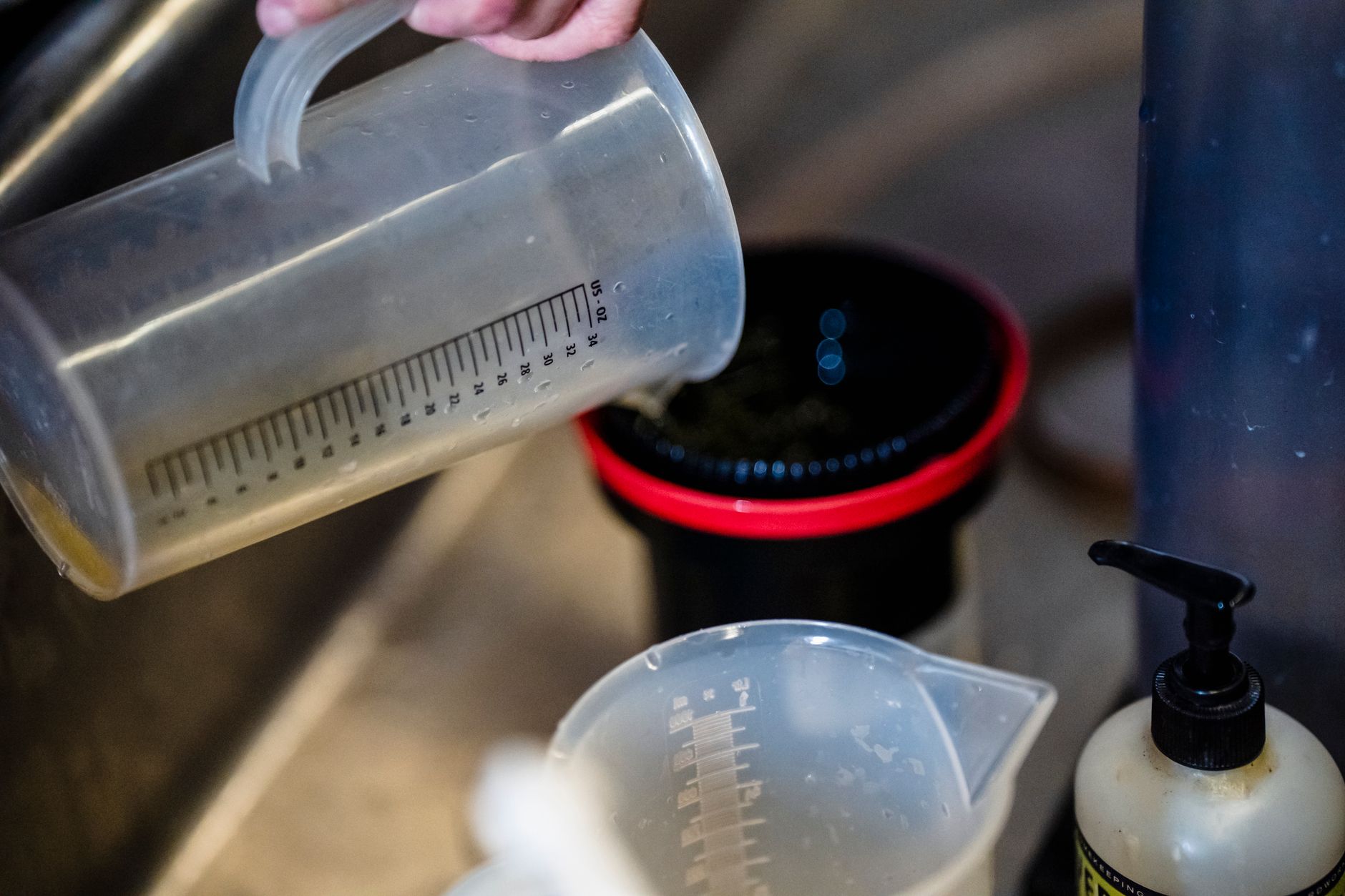
Understanding kitchen measurements is essential for successful cooking and baking. One common question many home cooks ask is, “How many cups are in 1 gallon?” This measurement is particularly useful when preparing large batches of recipes or managing ingredient quantities in meal planning.
In this guide, we will clarify the conversion of gallons to cups, explain its importance in the kitchen, and provide practical tips for measuring, ingredient storage, and more. Let’s dive in!
How Many Cups Are in 1 Gallon?
One gallon equals 16 cups. This straightforward conversion is crucial for scaling recipes and understanding liquid measurements, enhancing your efficiency in the kitchen.
The Importance of Accurate Measurements
Precise measurements are vital in the culinary world, especially for baking and recipes that require exact quantities. Understanding how to effectively measure and convert units can lead to more consistent results in your cooking and baking endeavors.
Why Cups and Gallons Matter
The difference between volume measurements like cups and gallons can greatly impact your dish’s outcome. For instance, if a recipe calls for one quart of liquid but you use a gallon instead, you could end up with a completely different dish.
Common Measurements in Baking and Cooking
In addition to knowing how many cups are in a gallon, it’s also helpful to familiarize yourself with other common cooking measurements. Here are some conversions that might come in handy:
- 1 gallon = 4 quarts
- 1 quart = 4 cups
- 1 cup = 8 fluid ounces
- 1 pint = 2 cups
Practical Applications in the Kitchen
Now that you know the conversion, let’s explore how to apply this knowledge in various cooking scenarios.
Baking With Precision
Baking requires precise measurements since thermodynamics can change the properties of ingredients. When following a recipe, ensure you’re using the right amount of all components. For instance, if your cake recipe requires 3 cups of flour and only 1 gallon of liquid, correctly measuring the liquid out as 12 cups or fewer will be essential to the result.
Meal Planning and Batch Cooking
Understanding volume measurements can significantly enhance your meal planning. When preparing multiple servings or batch cooking, it’s useful to convert gallon measurements. For instance, if a recipe serves 4 and you need enough for 16, you will multiply the ingredients by 4, helping you use a full gallon effectively.
How to Measure Cups Accurately
To achieve great results, accuracy in measurements can’t be overlooked. Here are some key tips for measuring cups correctly:
Measuring Dry Ingredients
- Always use the correct type of measuring cup. For dry ingredients like flour and sugar, use dry measuring cups.
- To measure, spoon the ingredient into the cup and level it off with a knife without packing it down.
- Avoid dipping the cup directly into the ingredient, which can give an inaccurate measurement.
Measuring Liquid Ingredients
- Use a liquid measuring cup, preferably with a spout for easy pouring.
- Fill the cup to the desired measurement, checking at eye level to ensure accuracy.
- Be sure to account for any bubbles when pouring liquid; they can affect the true volume.
Measuring Gallons in the Kitchen
Measuring out a gallon of liquid accurately can be done in various ways, especially if you don’t have a gallon-sized container on hand. Here’s how to do so effectively:
Using a Gallon Size Measuring Cup
When working with larger quantities, using a gallon size measuring cup can simplify the process. If you frequently work with larger recipes, consider investing in one.
Converting Smaller Measurements
If you only have smaller measuring tools, you can convert to gallons using cups. As there are 16 cups in a gallon, simply measure out 16 cups of water or your chosen liquid to make one gallon.
Ingredient Storage and Management
Understanding how much each ingredient weighs or what volume it occupies can improve your kitchen management. For instance, knowing that a gallon of a broth or stock consists of 16 cups allows you to determine how much you have available for meal preparation or soup stock.
Storage Tips
- Keep liquids like stocks or broths stored in airtight containers to maintain freshness.
- Label the containers with the exact volume so you can easily know how much to use when calculating for recipes.
- For dry goods, consider clear containers that allow you to see the amount without having to measure repeatedly.
Common Mistakes to Avoid
While cooking, you might encounter several common pitfalls that can impact your results negatively. Here are some mistakes often made regarding measurements:
Over-Packing Dry Ingredients
When measuring dry ingredients, it is crucial not to pack them down into the measuring cup, which can lead to more than the required amount. Always spoon into the measuring cup before leveling.
Misreading Liquid Measurements
Ensure that you’re looking at the measurements at eye level. If you look from above, it can appear as though there is more liquid than there actually is.
Making Your Own Conversions
If you find yourself needing to convert measurements commonly, you may want to create a simple conversion chart. This chart can be a handy tool for quick references or if you’re working with different recipes.
Sample Conversion Chart
| Measurement | Cups | Gallons |
|---|---|---|
| 1 | 1 | 0.0625 |
| 2 | 2 | 0.125 |
| 4 | 4 | 0.25 |
| 8 | 8 | 0.5 |
| 16 | 16 | 1 |
Conclusion and Next Steps
Understanding how many cups are in a gallon and applying this knowledge effectively can significantly enhance your cooking and baking experiences. Whether you are batching ingredients for meal prep or scaling recipes, accurate measurement is key. Now that you have this guidance, consider creating your own measurement conversion chart or experimenting with larger batch recipes to practice your skills further.
Explore more cooking tips or food guides to enhance your culinary skills. Visit these helpful resources: How Many Cups of Water for 1 Cup of Rice? and How Many Cups Are in a Gallon?.