
Fiber is an essential part of a healthy diet, renowned for its many benefits, including promoting digestion and helping maintain a healthy weight. However, many people don’t know which foods are highest in fiber or how to incorporate them into their meals. In this article, we’ll explore various foods that give you fiber, highlighting their nutritional value, serving sizes, and practical ways to include them in your diet.
Understanding the different types of fiber and their sources can simplify your journey toward better health. We’ll delve into whole grains, fruits, vegetables, legumes, nuts, and seeds—each offering unique fiber content that can enhance your meals and snacks.
What Foods Give You Fiber?
Many foods provide fiber, including whole grains, fruits, vegetables, legumes, nuts, and seeds. Generally, foods high in dietary fiber can improve gut health, regulate blood sugar levels, and help with weight management. Here, we break down the best sources of fiber, their nutrition facts, and recommended serving sizes.
Whole Grains
Whole grains are an excellent source of fiber, as they retain the bran, germ, and endosperm, unlike refined grains. Here are some common whole grains rich in fiber:
- Oats – A 1-cup serving of cooked oats provides approximately 4 grams of fiber.
- Quinoa – This grain offers about 5 grams of fiber per cooked cup.
- Brown Rice – A 1-cup serving of cooked brown rice contains around 4 grams of fiber.
- Barley – One cup of cooked barley provides about 6 grams of fiber.
- Whole Wheat Bread – Two slices typically contain around 4 grams of fiber.
How to Incorporate Whole Grains
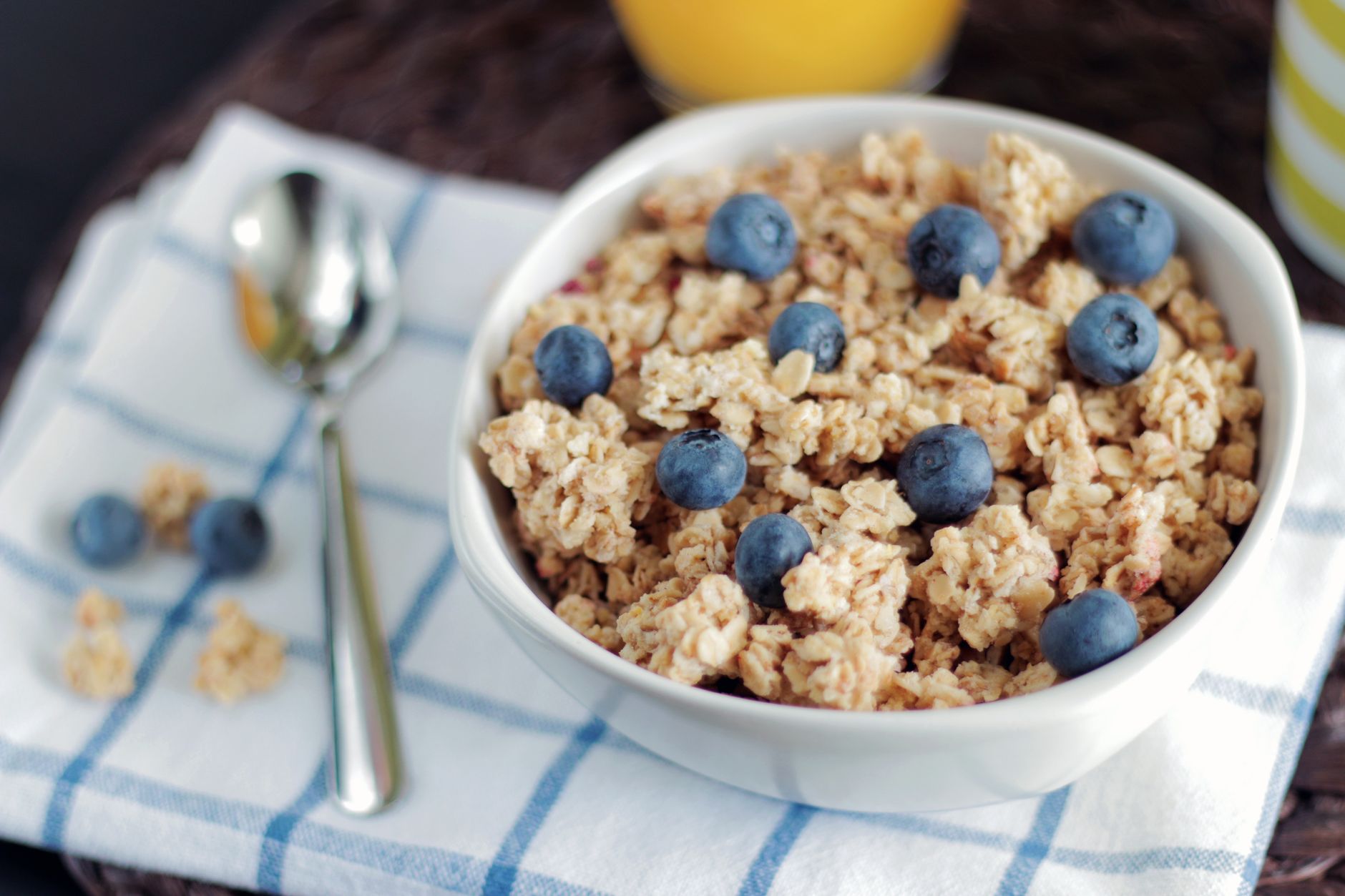
Start your day with a warm bowl of oatmeal topped with fruits and nuts, or swap out white rice for brown rice or quinoa in your meals. Make whole grain bread the base for sandwiches, and consider using barley or farro in salads and soups.
Fruits
Fruits are not only delicious but also packed with fiber. Here are some fruits high in fiber:
- Raspberries – One cup contains about 8 grams of fiber.
- Pears – A medium pear offers around 5 to 6 grams of fiber, especially with the skin on.
- Apples – One medium apple provides about 4 grams of fiber.
- Bananas – Offering about 3 grams of fiber, bananas are a great snack and can be added to smoothies.
- Avocado – Half a medium avocado contains about 5 grams of fiber.
Ways to Enjoy Fiber-Rich Fruits
Enjoy fresh fruits as snacks, add them to yogurt or smoothies, or include them in salads. For a wholesome dessert, consider baking a healthy fruit crisp or topping your favorite desserts with a fruit compote.
Vegetables
Vegetables are another vital source of fiber, particularly when consumed raw or minimally cooked. Here are some fiber-rich vegetables:
- Broccoli – One cup cooked has about 5 grams of fiber.
- Brussels Sprouts – A cup provides about 4 grams of fiber.
- Carrots – One large carrot offers around 2 grams of fiber.
- Sweet Potatoes – One medium sweet potato has about 4 grams of fiber, especially with the skin on.
- Artichokes – One medium artichoke contains about 7 grams of fiber.
Incorporating Vegetables into Meals
Vegetables can be added to stir-fries, salads, soups, and casseroles. Experiment with roasting or steaming to enhance their flavor without losing fiber. Use shredded carrots and leafy greens in wraps or smoothies for an easy fiber boost.
Legumes
Legumes are one of the best sources of fiber and protein. Including these in your diet can help you meet your fiber needs. Some fiber-rich legumes include:
- Black Beans – One cup cooked provides approximately 15 grams of fiber.
- Lentils – A cup of cooked lentils contains about 16 grams of fiber.
- Chickpeas – A cup offers around 12 grams of fiber.
- Kidney Beans – One cup cooked has about 13 grams of fiber.
- Pinto Beans – A cup contains around 7 grams of fiber.
Using Legumes in Everyday Cooking
Legumes can be added to salads, soups, and stews or mashed into spreads like hummus. You can also use them as a meat substitute in tacos or curries, making them a fantastic source of nutrition.
Nuts and Seeds
Nuts and seeds are not only high in healthy fats but are also a good source of fiber. Here are some options:
- Chia Seeds – These tiny seeds offer around 10 grams of fiber per ounce.
- Flaxseeds – One ounce contains about 8 grams of fiber.
- Almonds – A one-ounce serving offers around 3.5 grams of fiber.
- Pistachios – One ounce contains about 3 grams of fiber.
- Walnuts – One ounce provides about 2 grams of fiber.
How to Add Nuts and Seeds
Add nuts and seeds to oatmeal, salads, smoothies, or yogurt. They can also be used in baking to create fiber-rich muffins, breads, or energy balls. A sprinkle of chia or flaxseeds on your meals can enhance both nutrition and texture.
Fiber-Rich Food Combinations
Pairing different fiber-rich foods can amplify your fiber intake. Here are some delicious combinations:
- Oatmeal topped with berries and nuts – This combination provides a hearty dose of fiber.
- Chickpea salad – Including various vegetables and herbs can be a refreshing and fiber-packed meal.
- Veggie stir-fry with quinoa – A fulfilling meal option loaded with fiber.
Tips for Increasing Fiber Intake
Increasing fiber in your diet doesn’t have to be overwhelming. Here are helpful tips to gradually boost your intake:
- Start Slow: Increase fiber intake gradually to avoid digestive discomfort.
- Mix and Match: Combine different fiber sources in your meals for variety.
- Stay Hydrated: Drink plenty of water to help your body process fiber effectively.
- Read Labels: Look for whole grain products or those with added fiber when shopping.
Common Mistakes to Avoid
When trying to increase fiber intake, avoid the following:
- Suddenly overloading on fiber sources, which may lead to digestive issues.
- Neglecting hydration, which can cause bloating or gas.
- Not balancing fiber from fruits and vegetables with grains and legumes.
Meal Planning for High Fiber Diets
Planning your meals with fiber in mind can help you meet your nutritional goals. Here’s how to create a fiber-rich meal plan:
- Choose Whole Grains: Opt for brown rice, quinoa, and whole grain bread as staples.
- Include a Variety of Fruits and Vegetables: Aim to fill half your plate with colorful options at each meal.
- Incorporate Legumes: Plan for several meals a week featuring beans, lentils, or chickpeas.
- Snack Smart: Keep fiber-rich snacks on hand, such as nuts, seeds, or fruits, to satisfy cravings.
- Stay Consistent: Make fiber-rich foods a part of your daily routine for lasting benefits.
Conclusion
Incorporating fiber-rich foods into your diet is essential for maintaining good health and enhancing your nutrition. Emphasize whole grains, fruits, vegetables, legumes, nuts, and seeds to boost your fiber consumption effectively. Remember to gradually increase your intake and stay hydrated for optimal digestive health.
For more insights on fiber in specific foods, check out our articles on how much fiber in banana and does kale have fiber. Exploring these resources can further help you make informed dietary choices.