
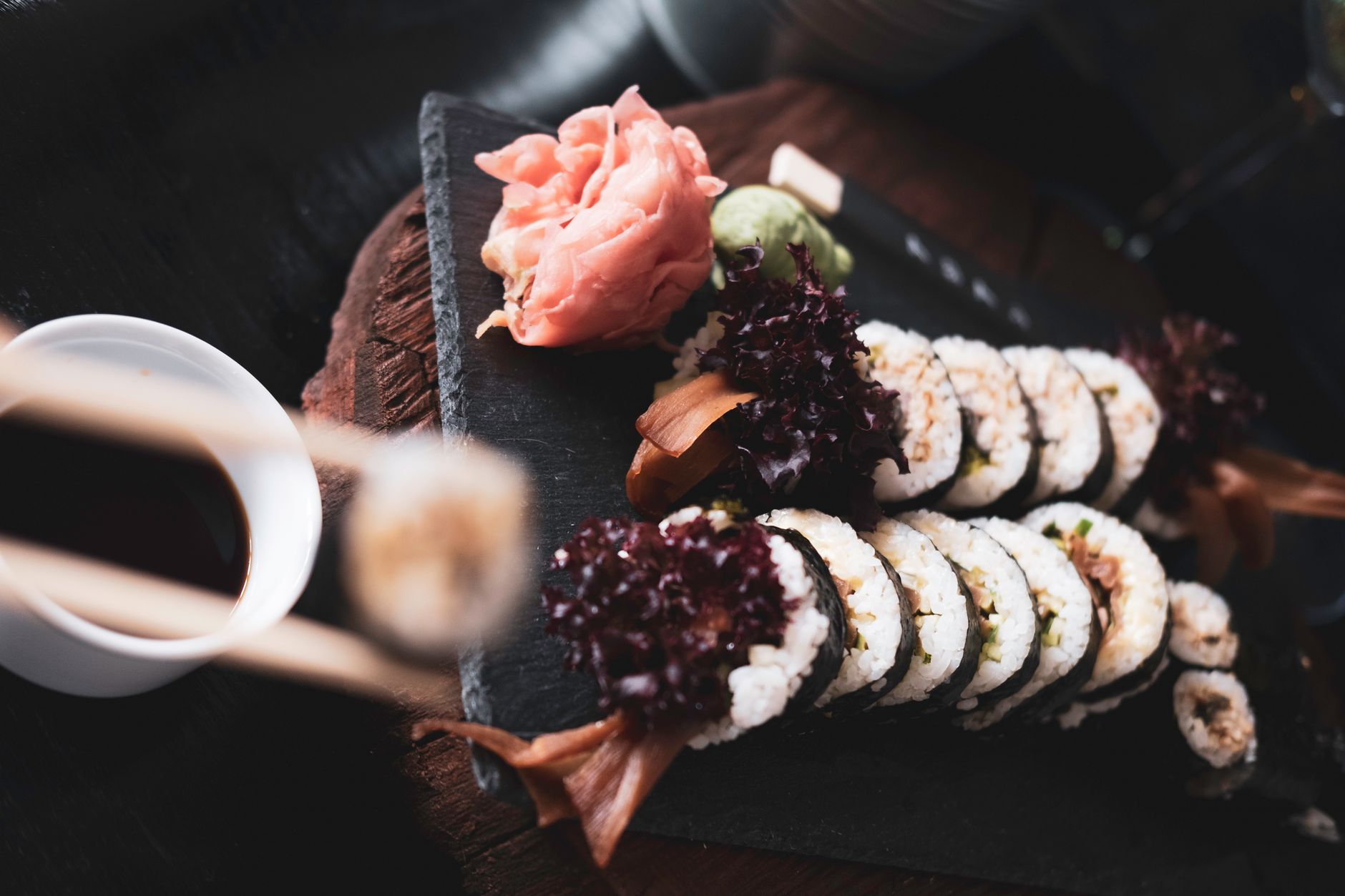
Wasabi is a staple condiment often paired with sushi and sashimi, known for its intense heat that can surprise many. But what exactly makes wasabi spicy? Understanding the components of its spice and flavor profile can enhance your culinary experience and help you utilize it more effectively in your cooking.
In this article, we will explore the science behind wasabi’s spiciness, the unique flavor it brings to dishes, its cooking uses, and some practical tips on proper storage and preparation.
Why Is Wasabi Spicy?
Wasabi’s spiciness primarily comes from compounds called isothiocyanates, which are released when the wasabi rhizome (the underground stem) is grated or otherwise damaged. These compounds trigger a sensation that affects the nasal passages rather than the tongue, resulting in a sharp, pungent heat that can be quite distinctive from other spicy foods.
The Science Behind Wasabi’s Heat
There are several key components to understanding why wasabi is considered spicy. Here are the main scientific factors that contribute to this sensation:
- Isothiocyanates: The primary compounds responsible for wasabi’s heat. When wasabi is freshly grated, it releases these compounds, which can invoke a burning sensation in the nose rather than on the tongue.
- Capsaicin vs. Isothiocyanates: Unlike chili peppers that contain capsaicin, which primarily affects the taste buds and causes a burning feeling in the mouth, isothiocyanates travel up to the sinus cavity. This difference in location is why wasabi can produce a sharp, almost clearing sensation in the sinuses.
- Freshness: The heat level of wasabi diminishes over time. Freshly grated wasabi has much more intense spice, while pre-prepared wasabi in tubes or powders often has a significantly lower heat level due to the aging process.
Understanding Wasabi’s Flavor Profile
Beyond its heat, wasabi has a unique flavor profile that plays an important role in the dishes it complements. It has a fresh, green taste with a hint of bitterness, which balances well with the richness of sushi, sashimi, and grilled meats. Here’s a breakdown of its flavor characteristics:
- Freshness: The flavor is often described as vibrant and herbaceous, similar to horseradish.
- Bitterness: While not overwhelming, wasabi carries a slight bitterness that can enhance dish complexity.
- Heat: The spiciness, as mentioned, is fleeting, peaking quickly and disappearing rather than lingering, making it unique compared to other spicy ingredients.
Cooking Uses for Wasabi
Wasabi can be utilized in various culinary applications beyond sushi. Here are some practical and creative ways to incorporate wasabi into your cooking:
Sauces and Dressings
Wasabi can be blended into sauces and dressings for an exciting, spicy kick.
- Wasabi Mayonnaise: Mix wasabi paste into mayonnaise to create a spicy spread for sandwiches or dipping sauces for vegetables.
- Wasabi Vinaigrette: Whisk together wasabi, soy sauce, vinegar, and olive oil to create a zesty salad dressing.
Marinades
Use wasabi in marinades for fish, chicken, or tofu to infuse dishes with flavor before cooking.
- Wasabi Soy Marinade: Combine soy sauce, wasabi, garlic, and lime juice for a simple yet flavorful marinade.
Soups and Broths
Add a small amount of wasabi to soups, particularly miso or noodle soups, to enhance depth and provide warmth.
- Spicy Miso Soup: Stir in wasabi alongside the paste for an additional layer of flavor.
Condiments
Many enjoy wasabi as a condiment for grilled meats or seafood, enhancing both flavor and aroma.
- Grilled Chicken or Fish: A dab can elevate grilled dishes without overwhelming other flavors.
Creative Pairings
Experimenting with different food pairings can yield delightful results.
- Wasabi Peas: A popular snack that combines the heat of wasabi with the crunch of roasted peas.
- Wasabi in Desserts: Some chefs incorporate wasabi into chocolate desserts for an unexpected yet delightful pairing.
Common Mistakes When Using Wasabi
Using wasabi improperly can lead to unbalanced flavors or overwhelming heat. Here are some common mistakes to avoid:
- Using Old Wasabi: Using aged or processed wasabi often results in diminished flavor and heat. Always opt for freshly grated wasabi when possible.
- Overusing Wasabi: Start with a small amount to avoid overpowering your dish. The heat can be much more intense than anticipated.
- Not Considering Texture: Ensure the texture of what you’re pairing with wasabi is complementary; for instance, avoid pairing it with overly creamy dishes that can dull the flavor.
Storage Tips for Wasabi
Storing wasabi properly is essential to maintain its flavor and spiciness. Consider the following tips:
- Fresh Wasabi: Keep freshly grated wasabi in an airtight container in the refrigerator for up to one week.
- Wasabi Paste: Store opened tubes of wasabi paste in the refrigerator; they can last for several months depending on the brand.
- Powdered Wasabi: Unopened powdered wasabi should be stored in a cool, dry place. Once opened, use it within six months for the best potency.
Alternatives to Wasabi
Sometimes, fresh wasabi may not be available. Here are some alternatives that can deliver similar heat and flavor:
- Horseradish: Often the closest alternative, horseradish offers a similar pungency, though typically without the same flavor nuances.
- Green Chili Paste: This can provide heat but lacks the distinctive flavor of wasabi.
- Wasabi Peas: These can offer the wasabi taste in a snackable form, though the heat level will differ.
Conclusion
Wasabi is not just an accompaniment to sushi; understanding its science, flavor, and uses can elevate your cooking. Utilize fresh wasabi in sauces, marinades, and even creative dishes to explore its unique flavor.
For those interested in spicier flavors, consider checking out our guides on Chinese hot mustard and Gochujang sauce. These ingredients can complement your culinary creations beautifully and introduce new dimensions to your meal planning.