
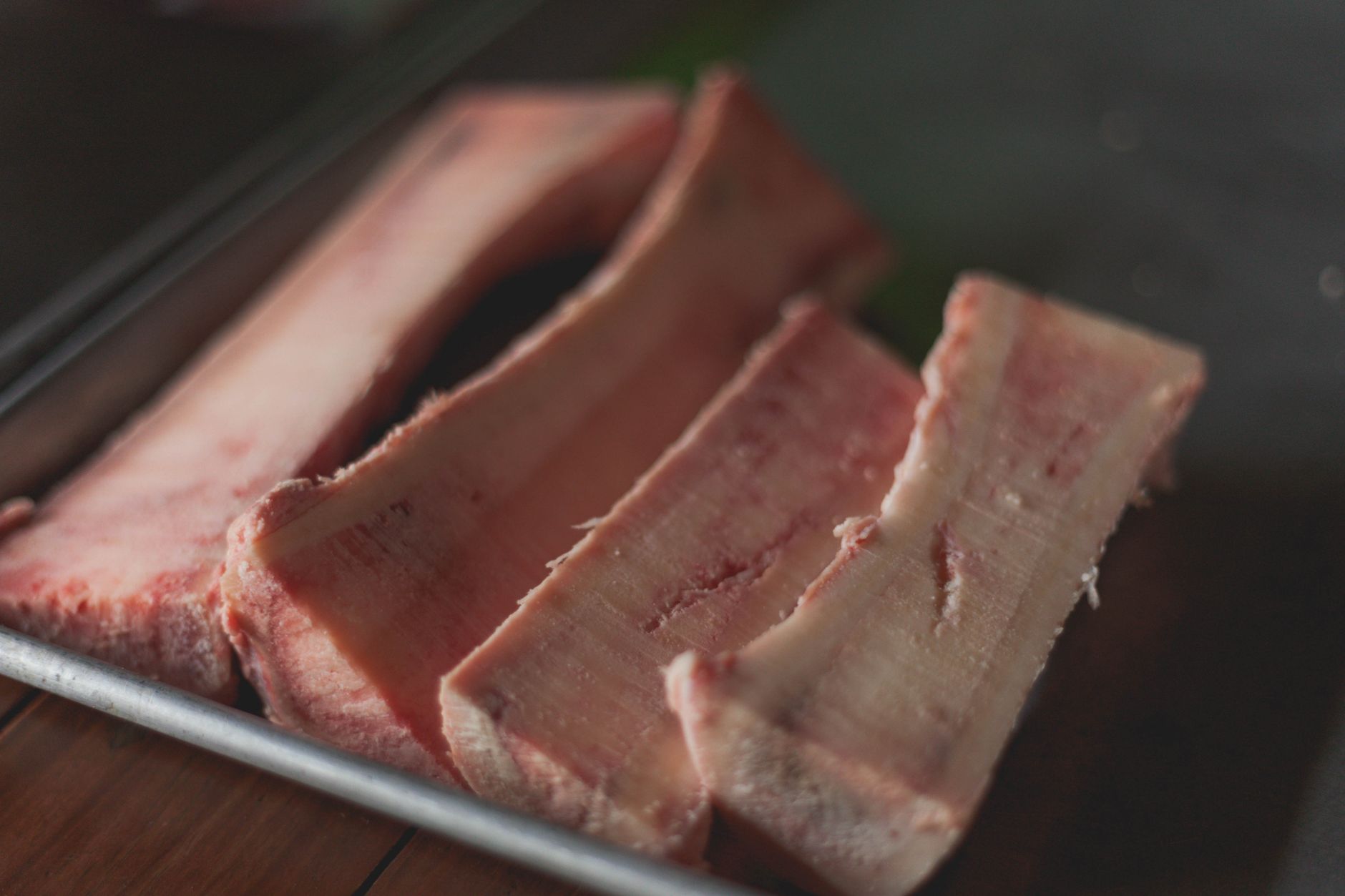
Making beef bone broth is a rewarding culinary endeavor that not only fills your kitchen with inviting aromas but also yields a nutrient-rich base for soups and stews. Roasting beef bones before simmering them for broth enhances the flavor, richness, and health benefits of the final product.
In this guide, we will explore how long to roast beef bones and the temperature needed for perfect roasting. We will also cover essential techniques, tips on selecting the right bones, practical substitutions, and how to store and use your delicious broth.
How Long to Roast Beef Bones for Broth?
To roast beef bones for broth, you should roast them for 30 to 45 minutes at 400°F (200°C). This time frame allows the bones to develop a deep, flavorful crust while avoiding overcooking. Proper roasting is essential for extracting maximum flavor from the bones during the simmering process.
Why Roast Beef Bones?
Roasting beef bones before making broth serves several purposes:
- Flavor Development: Roasting caramelizes the natural sugars in the bones, adding depth and richness.
- Enhanced Nutritional Content: Roasting helps to break down the marrow, which adds nutrients like collagen, amino acids, and vitamins to the broth.
- Aromatic Qualities: The roasting process imparts a wonderful aroma, making the broth more enjoyable to consume.
Types of Bones to Use
Not all bones are created equal when it comes to making broth. The best choices include:
- Marrow Bones: These bones contain rich marrow that adds depth to the flavor.
- Knuckle Bones: These are full of collagen and are excellent for creating a gelatinous broth.
- Short Ribs: They add meaty flavor and richness to the broth.
- Oxtails: These add a unique richness and flavor.
Essential Equipment
Before getting started, make sure you have the following equipment handy:
- Roasting pan or baking sheet
- Large stock pot or slow cooker
- Oven
- Colander or fine mesh strainer
- Container for storing broth
Step-by-Step Guide to Roasting Beef Bones
- Preheat the Oven: Set your oven to 400°F (200°C). This temperature is ideal for roasting bones to create a deep color and flavor.
- Prepare the Bones: Arrange the beef bones in a single layer in your roasting pan. If desired, you can add herbs, vegetables, or spices such as garlic, onions, thyme, or bay leaves to enhance the flavor.
- Roast the Bones: Place the roasting pan in the preheated oven and roast the bones for 30 to 45 minutes. Flip the bones halfway through the roasting time to ensure even browning and caramelization.
- Monitor the Color: You’ll know the bones are ready when they are nicely browned and have a fragrant aroma. Aim for a rich brown color, but avoid burning them for the best flavor.
- Remove from the Oven: Take the bones out of the oven and let them cool slightly before transferring them to your stock pot or slow cooker.
Simmering the Broth
Once the bones are roasted, the next step is to make your broth:
- Transfer the Bones: Place the roasted bones in a stock pot or slow cooker.
- Add Water: Fill the pot with enough cold water to cover the bones by about 1-2 inches. Using cold water helps to extract flavors more effectively.
- Incorporate Vegetables and Aromatics: For additional flavor, consider adding onions, carrots, celery, garlic, and herbs.
- Bring to a Boil: Heat the mixture on medium-high until it reaches a gentle boil.
- Reduce to Simmer: Once boiling, reduce the heat to low and let it simmer for at least 12 to 24 hours. The longer you simmer, the richer your broth will be.
- Skim As Necessary: During the first hour of simmering, you may notice foam rising to the surface. Skim this off with a ladle.
Texture, Flavor, and Aromas to Expect
As your broth simmers, you’ll notice a change in flavor, aroma, and texture:
- The broth will develop a rich, deep flavor enhanced by the caramelized bones.
- The longer you simmer, the more gelatinous the broth will become as collagen is extracted.
- Expect a fragrant aroma wafting through your kitchen, inviting you to enjoy the final product.
Common Mistakes When Roasting Bones
Here are some mistakes to avoid when roasting bones for broth:
- Not Roasting Long Enough: Under-roasted bones can result in a bland broth. Ensure they develop a nice dark color.
- Overcrowding the Pan: If bones are packed too tightly, they won’t brown evenly. Space them out for optimal caramelization.
- Setting the Oven Temperature Too Low: Ensure that your oven is preheated properly to achieve the best roasting results.
Storing Broth
Once you’ve cooked your broth, proper storage is key:
- Cooling Down: Allow the broth to cool at room temperature for no more than two hours before transferring it to storage containers.
- Refrigeration: Store the broth in airtight containers in the refrigerator for up to five days.
- Freezing: For long-term storage, freeze the broth in freezer-safe containers or ice cube trays for easy portioning.
Using Your Broth
The uses for homemade beef broth are endless:
- Use it as a base for soups and stews.
- Incorporate it into risottos or grain dishes for added flavor.
- Use it as a braising liquid for meats or vegetables.
Practical Substitutions and Variations
If you are unable to find certain bones or want to experiment, consider these options:
- Bone Marrow from Other Meats: Pork or veal bones can also work well for broth.
- Vegetable Broth: If you are looking for a vegetarian option, substitute beef bones with roasted vegetables like carrots, onions, and mushrooms.
- Herbs and Spices: Feel free to experiment with different herbs; rosemary, parsley, or dill can add distinctive flavors.
Conclusion
Roasting beef bones for broth adds an unmatched depth of flavor and richness to your culinary creations. Remember to roast for 30 to 45 minutes at 400°F (200°C) and enjoy the process of simmering your nourishing broth. Once you master this technique, you’ll have a wholesome base to utilize in countless recipes.
For more cooking inspiration, explore our turkey broth recipe or try our chicken stock recipe for a flavorful twist on traditional broth-making.