
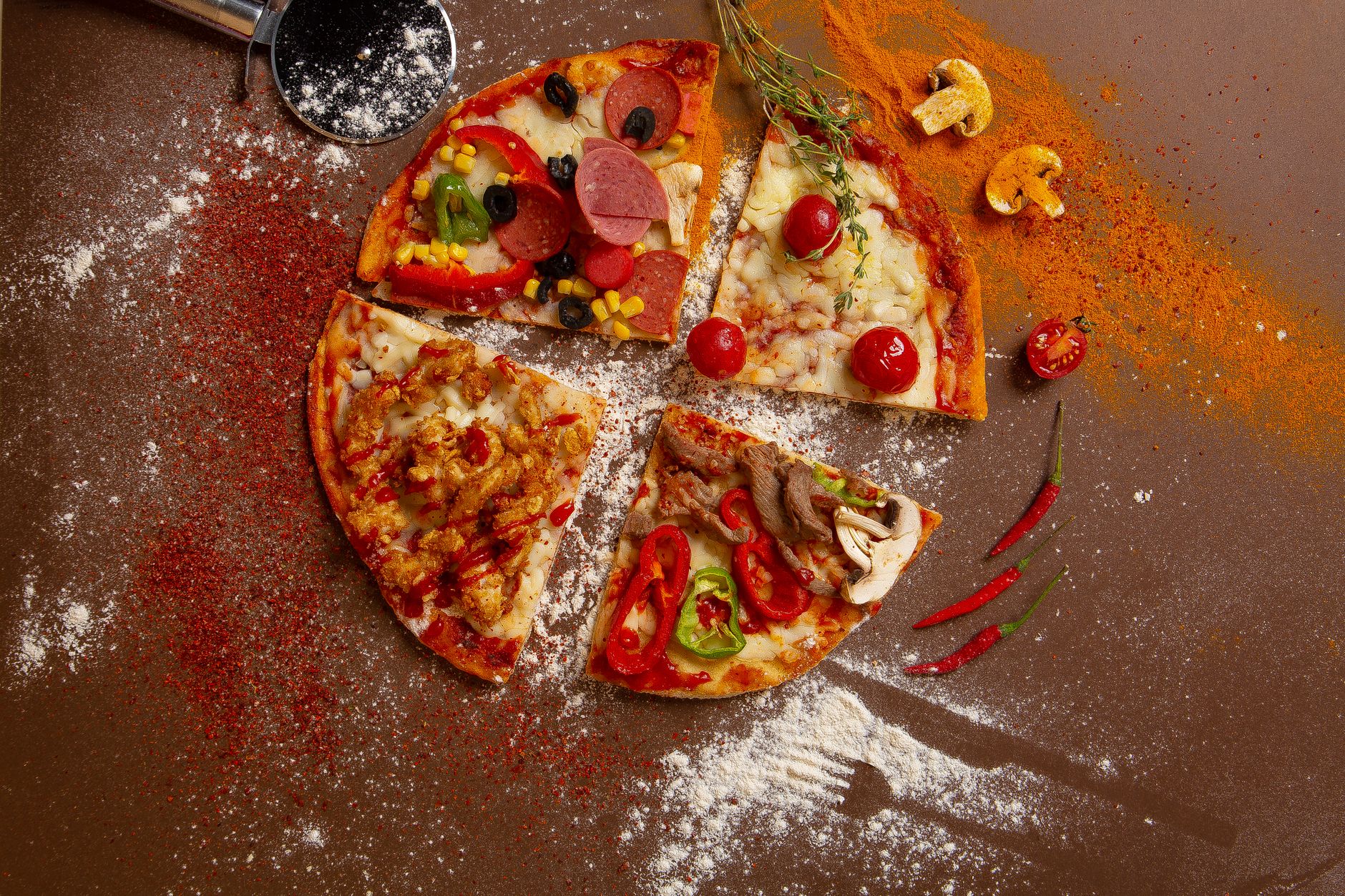
Pizza is a beloved dish worldwide, known for its cheesy goodness, rich flavors, and satisfying crust. But amidst its widespread popularity, a question arises: is pizza low in fiber? Understanding the fiber content of pizza can help those seeking to meet their dietary goals while still enjoying this beloved meal.
This article examines the fiber content of various pizza types, discusses their nutritional values, and provides practical insights for making pizza that fits different dietary preferences, including higher fiber options.
Is Pizza Low Fiber?
Generally, traditional pizza made with refined flour is considered low in fiber. Most classic pizza crusts provide minimal fiber content, usually between 1 to 3 grams per serving. However, fiber content can vary considerably based on crust ingredients, toppings, and portion sizes.
Understanding Fiber and Its Importance
Fiber is a type of carbohydrate that the body cannot digest. It is essential for digestive health, plays a role in maintaining steady blood sugar levels, and may help in achieving a healthy weight. The daily recommended fiber intake for adults is around 25 grams for women and 38 grams for men, though individual needs can vary.
Types of Fiber
Fiber is typically categorized into two types: soluble and insoluble. Soluble fiber can help lower cholesterol and stabilize blood sugar, while insoluble fiber adds bulk to the stool and aids in digestion.
Common Fiber Sources
- Fruits (e.g., apples, bananas, oranges)
- Vegetables (e.g., broccoli, carrots, spinach)
- Whole grains (e.g., oats, brown rice, quinoa)
- Legumes (e.g., beans, lentils, chickpeas)
- Nuts and seeds (e.g., almonds, chia seeds)
Nutritional Facts of Traditional Pizza
The nutrition of pizza varies widely depending on the ingredients used, particularly the crust. A typical slice of white flour pizza provides about:
| Nutrient | Amount per Slice (Approx.) |
|---|---|
| Calories | 200-300 |
| Carbohydrates | 25-35 g |
| Fiber | 1-3 g |
| Protein | 8-12 g |
| Fat | 8-15 g |
Factors Influencing Pizza’s Fiber Content
Several factors influence the fiber content in pizza, primarily the type of crust and toppings used.
1. Type of Crust
For most traditional pizzas, refined white flour is used, which is low in fiber. However, alternative crusts have emerged, such as:
- Whole grain crust: Offers more fiber due to the use of whole wheat flour, typically providing 3-5 grams of fiber per slice.
- Cauliflower crust: Often lower in carbs and higher in fiber than traditional crust, but fiber content depends on the recipe.
- Chickpea or lentil flour crust: These gluten-free options can provide a higher fiber content, sometimes around 6-8 grams per slice.
2. Toppings Matter
The toppings you choose can also influence the fiber content significantly. Here’s a look at common pizza toppings:
- Vegetable toppings: Vegetables like spinach, broccoli, mushrooms, and bell peppers add fiber.
- Legume toppings: Additional ingredients like black beans or chickpeas offer protein and fiber.
- Cheese and Processed Meats: Typically low in fiber, they can overshadow the healthy benefits of vegetable toppings.
High-Fiber Pizza Options
If you’re aiming for a higher fiber pizza, you can make some smart choices.
1. Opt for Whole Grain Crust
Using whole grain flour for the pizza base elevates the fiber content significantly. Look for whole wheat pizza dough or make your own by substituting regular flour with whole wheat flour.
2. Add a Variety of Vegetables
Loading your pizza with a mix of colorful vegetables, like spinach, artichokes, and bell peppers, boosts not only the flavor but also the fiber content.
3. Incorporate Legumes
Consider spreading hummus or adding a layer of black beans, lentils, or chickpeas as toppings for an unexpected yet delicious twist.
4. Try Alternative Crusts
Experimenting with cauliflower, chickpea, or chickpea flour crusts can dramatically increase the fiber content. These options are not only unique but also offer different flavors and textures.
5. Use Nut-based Cheese
For vegan pizza lovers, using nut-based cheese alternatives can provide additional nutrition, including fiber, along with healthier fat options.
Practical Pizza-Making Tips
For those looking to increase the fiber content of homemade pizzas, here are some practical tips.
Ingredient Quality
Always use high-quality ingredients to enhance nutritional value. Choose organic vegetables, whole grain flours, and lower-fat cheeses when possible.
Homemade vs. Store-bought
Making pizza from scratch allows for complete control over the ingredients. However, if opting for store-bought pizza, check the labels for whole grain and fiber content.
Use Fresh Herbs
Incorporating fresh herbs not only boosts flavor but can also potentially add micro-nutrients beneficial for health.
Common Mistakes to Avoid
When aiming for a nutritious pizza, be mindful of these common pitfalls:
- Ignoring Portion Sizes: Even healthy pizza can lead to excessive calorie consumption if portion sizes are not monitored.
- Overloading with Cheese: While cheese is delicious, it can significantly raise calories without adding fiber.
- Relying Only on Processed Toppings: Processed meats and single vegetable choices can leave you missing out on fiber-rich options.
Storing and Reheating Pizza
Proper storage and reheating are essential for maintaining the quality of leftover pizza.
Storage Tips
To store pizza, follow these steps:
- Allow pizza to cool to room temperature.
- Wrap slices tightly in foil or plastic wrap, or store them in an airtight container.
- Refrigerate leftovers within two hours of cooking.
Reheating Tips
When reheating pizza, maintain its crispiness by:
- Using a skillet over low heat for 5-8 minutes.
- Placing it directly on the oven rack at 350°F for about 10-15 minutes.
- Avoiding the microwave unless you’re in a hurry as it can make the crust chewy.
Making Pizza a Balanced Meal
To turn pizza into a balanced meal, consider pairing it with:
- Salads: A colorful salad on the side adds freshness and fiber.
- Whole Fruit: Serving fruit, particularly fibrous options like apples or pears, will bump up fiber intake.
- Healthy Proteins: Include grilled chicken or tofu as a topping rather than processed meats.
Conclusion: Enjoying Pizza Mindfully
Pizza can be low in fiber, primarily depending on the crust choice and toppings. By opting for whole grain options, adding plenty of vegetables, and being mindful of portion sizes, you can enjoy this delicious dish without compromising your health.
Are you looking for some delicious pizza recipes? Consider trying a Chicken Bacon Ranch Pizza recipe or venture into a classic Pizza Rustica recipe for a unique twist on pizza night.