
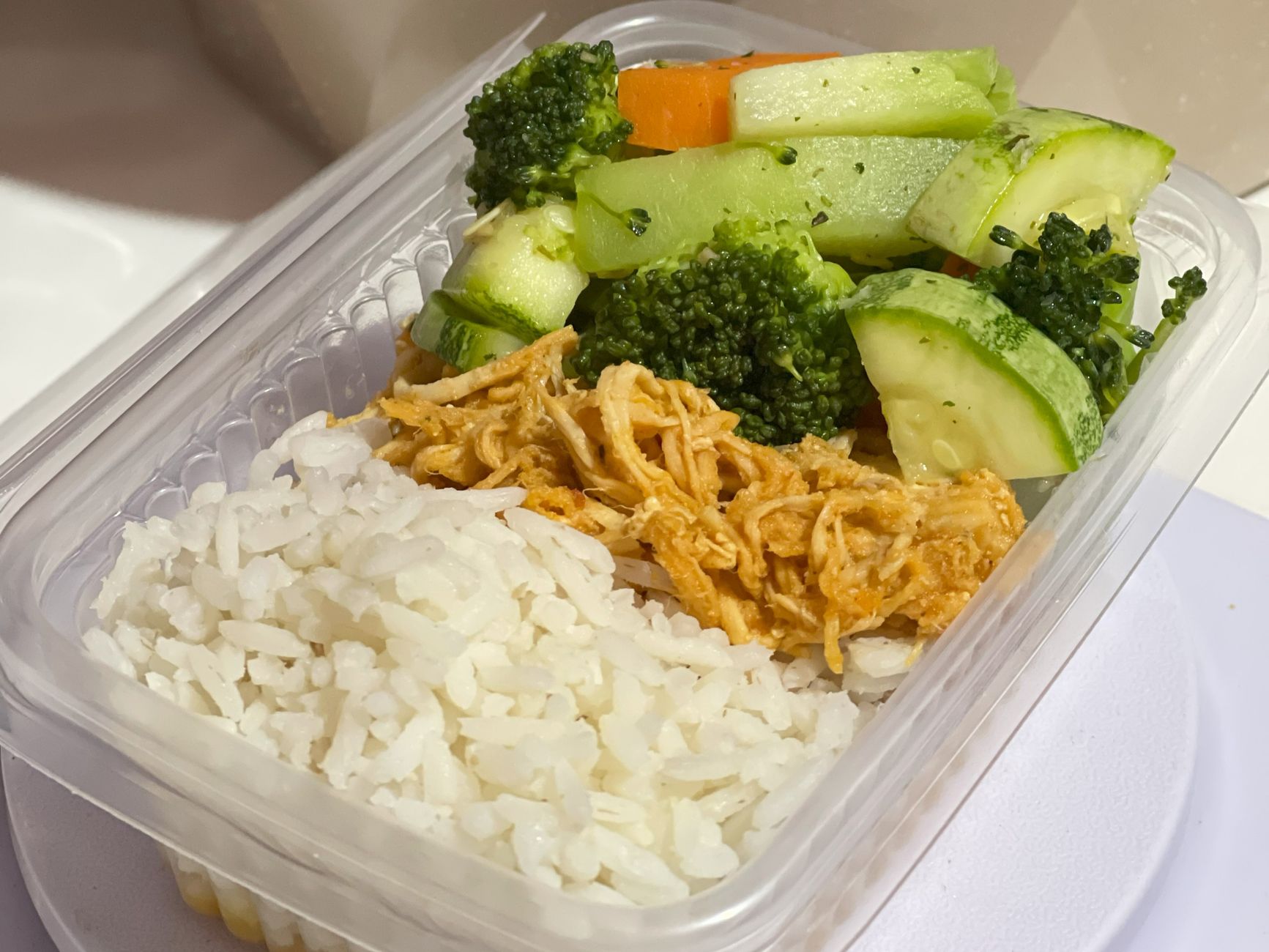
Chicken and rice is a beloved and versatile dish that can be prepared in countless ways. It can range from a simple home-cooked meal to an elaborate feast. However, once you’ve made a batch, it’s essential to know how long it will remain safe and tasty when stored in the fridge. This guide provides crucial information regarding the shelf life of chicken and rice, along with storage tips and safety guidelines.
Understanding how long chicken and rice last in the fridge helps minimize food waste and ensures you enjoy your meals at their best. Let’s explore the proper storage methods, reheating techniques, and tips for safely enjoying any leftovers.
How Long Does Chicken and Rice Last in the Fridge?
Generally, cooked chicken and rice can last in the fridge for three to four days when properly stored. After this period, the quality and safety of the food diminish, potentially leading to foodborne illnesses. Keeping this information in mind can help you enjoy your dish without worrying about spoilage.
Factors Affecting Shelf Life
Several factors determine how long chicken and rice can last in the fridge, such as:
- Initial cooking method: The way chicken and rice are cooked, including temperature and ingredients, can affect spoilage rates.
- Storage conditions: The temperature of your fridge and how well the food is sealed can greatly impact its shelf life.
- Ingredients: Additional ingredients and seasonings can alter the bacteria growth rates in the dish.
- Leftover handling: How soon the dish is cooled and refrigerated after cooking can also influence longevity.
Proper Storage Techniques
To maximize the freshness and safety of chicken and rice, follow these essential storage guidelines:
1. Cool Rapidly
After cooking, allow the chicken and rice to cool at room temperature for no more than two hours. Bacteria can multiply rapidly in warm environments, so refrigerating the dish promptly is crucial.
2. Use Airtight Containers
Store cooked chicken and rice in airtight containers or resealable plastic bags. Make sure they are suitably sealed to prevent air intrusion, which can lead to spoilage and freezer burn.
3. Label and Date
Label the containers with the date prepared. This way, you’ll have a clear idea of when the food needs to be consumed, helping avoid accidental spoilage.
4. Store at Optimal Temperature
Ensure your refrigerator is set to 40°F (4°C) or colder. Keeping your fridge at this temperature helps slow the growth of bacteria, extending the shelf life of all stored foods, including chicken and rice.
Reheating Chicken and Rice
When you’re ready to enjoy your leftovers, it’s important to reheat them properly to eliminate potentially harmful bacteria. Here are some safe reheating methods:
1. Microwave
If using a microwave, transfer the chicken and rice to a microwave-safe bowl and cover it with a microwave-safe lid or plastic wrap (leaving a small opening for steam). Heat on high for 2-3 minutes, pausing to stir halfway through to ensure even heating. The internal temperature should reach 165°F (74°C).
2. Stovetop
To reheat on the stovetop, place the chicken and rice in a skillet over medium heat. Add a splash of water or broth to prevent drying out, covering the skillet. Heat for about 5-10 minutes, stirring occasionally, until warmed through. Adjust cooking time as needed based on cooking quantity.
3. Oven
For larger portions, reheating in the oven can be effective. Preheat the oven to 350°F (175°C). Place chicken and rice in an oven-safe dish, cover with foil to retain moisture, and heat for about 20-30 minutes, or until it reaches an internal temperature of 165°F (74°C).
Signs of Spoilage
It’s vital to check for signs of spoilage before consuming chicken and rice that you’ve stored in the fridge. Look out for the following indicators:
- Off Odor: A sour or unpleasant smell is a clear sign that the food has spoiled.
- Discoloration: If the chicken or rice appears to have an unusual color, it may no longer be safe to eat.
- Texture Change: Slimy textures or grains in the rice that have clumped together indicate spoilage.
- Mold: Any visible mold should be reported as a definite sign to discard the food.
Making the Most of Leftovers
Leftovers can be creatively repurposed, saving both time and resources. Here are some ideas:
- Fried Rice: Sauté the leftover chicken and rice with some vegetables and soy sauce for a quick fried rice dish.
- Soup: Add your leftovers to a pot with broth, vegetables, and spices to create a comforting soup.
- Salad: Combine with fresh greens, dressing, and vegetables to create a filling and nutritious salad.
- Wraps: Use the chicken and rice as a filling for wraps, adding your choice of sauces and toppings.
Freezing Chicken and Rice
If you wish to extend the shelf life beyond a few days, consider freezing your chicken and rice. Here’s how to do it correctly:
1. Cool Completely
Before freezing, make sure the dish is thoroughly cooled. This prevents steam buildup inside the containers.
2. Portion and Pack
Divide the chicken and rice into meal-sized portions. Use airtight freezer-safe containers or heavy-duty freezer bags. Remove excess air and seal tightly to avoid freezer burn.
3. Label and Date
As with fridge storage, label your containers with the contents and date. This aids in keeping track of how long the food has been in the freezer.
4. Freezer Storage Duration
Properly stored, chicken and rice can last in the freezer for up to three months without significant loss of quality. However, its safety can extend beyond this time frame if kept frozen continuously at 0°F (-18°C) or lower.
5. Thawing Frozen Chicken and Rice
To safely thaw frozen chicken and rice, plan to do so overnight in the refrigerator. If you’re short on time, you can also use the microwave’s defrost setting but be sure to reheat immediately afterward to prevent bacterial growth.
Common Mistakes to Avoid
When it comes to storing chicken and rice, people often make several common mistakes:
- Not refrigerating promptly: Allowing cooked chicken and rice to sit too long at room temperature fosters bacteria growth.
- Storing in non-airtight containers: Failure to use airtight containers can lead to spoilage and drying out.
- Skipping reheating precautions: Neglecting to heat food to the proper internal temperature can be risky.
- Ignoring signs of spoilage: Failing to check for spoilage can lead to food safety hazards.
Conclusion
In summary, properly storing chicken and rice ensures you maximize the satisfaction of your meals while minimizing waste. Remember, cooked chicken and rice can safely last in the fridge for three to four days, but with proper techniques, you can also freeze them for longer preservation. Always check for spoilage before reheating and enjoy your leftovers in creative ways to keep your meals exciting.
For further information on food safety, check out these resources on how long chicken is good for in the fridge and how long cooked chicken lasts.