
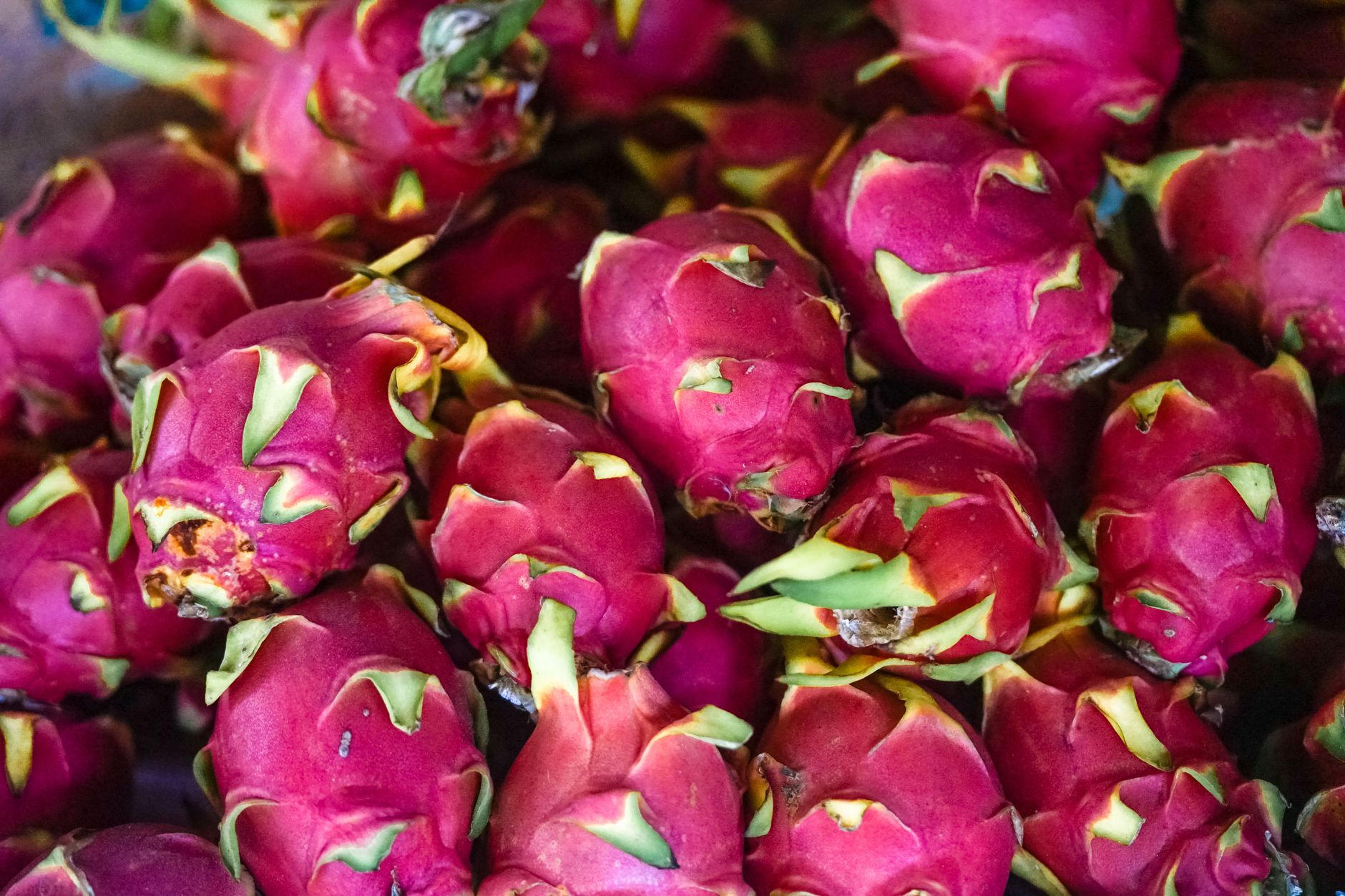
Pitaya, commonly known as dragon fruit, is a unique tropical fruit celebrated for its vibrant appearance and mildly sweet flavor. It has gained popularity not only for its striking look but also for the nutritional benefits it offers. This article delves into the fascinating characteristics of pitaya, its flavor profile, and how to effectively serve it.
Understanding what pitaya is and how to use it in your culinary adventures can elevate your meals. Popular in smoothies, salads, and desserts, pitaya adds both visual appeal and a refreshing taste to a variety of dishes.
What Is a Pitaya?
Pitaya, or dragon fruit, is the fruit of several different cactus species indigenous to the Americas. The most common types are the Hylocereus undatus (white-fleshed), Hylocereus costaricensis (red-fleshed), and Hylocereus megalanthus (yellow-fleshed). Each variety features a distinctive appearance, characterized by its bright pink or yellow skin with leafy green scales.
It has a mildly sweet flavor reminiscent of a cross between a kiwi and a pear, with a refreshing texture that can vary from creamy to crunchy, depending on its ripeness and the type of pitaya. Beyond its flavor, pitaya is known for being low in calories and rich in vitamins and minerals, making it a great addition to a health-conscious diet.
Ingredients in Pitaya
The ingredients of pitaya are simple and nutritious. Here’s a detailed breakdown:
- Vitamins: High in Vitamin C, essential for immune function.
- Minerals: Contains magnesium, iron, and calcium, contributing to overall health.
- Fiber: A good source of dietary fiber, promoting digestive health.
- Antioxidants: Abundant in antioxidants that combat oxidative stress in the body.
Flavor Profile of Pitaya
The flavor of pitaya is best described as mildly sweet and refreshing. This fruit has a subtle sweetness, which makes it versatile for both sweet and savory dishes. The texture is unique, with small, crunchy seeds that add a delightful component to each bite.
In culinary terms, pitaya can be combined with various ingredients:
- Fruits: Pairs well with banana, mango, and citrus fruits.
- Herbs: Fresh mint or basil can enhance its refreshing quality.
- Spices: Offers a pleasant contrast to spices like chili or ginger.
How to Select and Store Pitaya
Selecting the right pitaya is crucial for ensuring the best flavor and texture. Here are some tips:
- Color: Look for bright, vibrant skin without blemishes.
- Skin Texture: Choose fruits with slightly firm skin and scales that are fresh and green instead of brown.
- Size: Opt for heavier pitayas, as they typically have more flesh inside.
Once you have selected a pitaya, proper storage is necessary to maintain its freshness:
- Refrigeration: Store ripe pitaya in a cold, dark place or refrigerate for up to five days.
- Ripening: If unripe, store it at room temperature until it gives slightly when pressed.
How to Prepare Pitaya
Preparing pitaya is simple and can be done in a few quick steps:
- Wash: Rinse the pitaya under cold running water to remove any dirt or impurities.
- Cut: Place the fruit on a cutting board. Slice it in half lengthwise.
- Scoop: Use a spoon to scoop out the flesh from the skin. You can also slice the fruit into cubes if preferred.
Serving Suggestions for Pitaya
Pitaya can be served in various ways, adding a tropical touch to your meals. Here are some popular methods to enjoy pitaya:
1. Smoothies
Pitaya Smoothies are a delightful way to include this fruit in your diet.
- Ingredients: Frozen pitaya, banana, yogurt, and almond milk.
- Method: Blend until smooth and garnish with chia seeds and fresh berries.
2. Salads
Add pitaya to salads for a refreshing twist.
- Ingredients: Mixed greens, diced pitaya, avocado, and cucumber.
- Method: Toss with a light vinaigrette for a vibrant salad.
3. Desserts
Pitaya makes an excellent ingredient for desserts.
- Recipe: Puree pitaya and mix with coconut cream to create a mousse.
- Garnish: Top with fresh mint or edible flowers for flair.
4. Sorbet
Make a refreshing sorbet using pitaya.
- Ingredients: Pureed pitaya, lime juice, and agave syrup.
- Method: Freeze the mixture and stir every 30 minutes until set.
5. Ceviche
Incorporate pitaya into savory dishes like ceviche.
- Ingredients: Diced shrimp, lime juice, diced pitaya, red onion, and cilantro.
- Method: Marinate for a refreshing appetizer.
Common Mistakes When Preparing Pitaya
While preparing pitaya is straightforward, some mistakes can lead to less-than-ideal results:
- Picking Underripe Fruit: Choose fully ripe pitaya for optimal flavor and sweetness.
- Overripe Storage: Storing pitaya for too long can lead to spoilage; it’s best enjoyed fresh.
- Insufficient Washing: Always wash the skin thoroughly to remove pesticides and dirt.
Health Benefits of Pitaya
In addition to its delicious flavor, pitaya offers several health benefits:
- Boosts Immunity: High in Vitamin C, pitaya supports your immune system.
- Weight Management: Low in calories and high in fiber, helping you feel fuller for longer.
- Healthy Skin: Antioxidants in pitaya can contribute to healthier skin.
- Digestive Health: The fiber content aids digestion and promotes gut health.
How to Incorporate Pitaya into Your Diet
Adding pitaya to your diet can be easy and enjoyable. Here are some practical suggestions:
- Breakfast Bowls: Use pitaya as a base for smoothie and yogurt bowls.
- Snacks: Slice and serve pitaya on its own for a quick, healthy snack.
- Meal Prep: Incorporate pitaya into your meal prep for a touch of fun and nutrition.
Common Questions Answered
Can You Eat Pitaya Skin?
While the skin of the pitaya is technically edible, it is not commonly consumed due to its tough texture. Most people prefer to enjoy just the flesh of the fruit.
Is Pitaya the Same as Dragon Fruit?
Yes, pitaya and dragon fruit refer to the same fruit. ‘Pitaya’ is the original name derived from the Spanish, while ‘dragon fruit’ describes its unique appearance.
How Does Pitaya Compare to Other Tropical Fruits?
While it shares similarities with fruits like kiwi and pear in flavor, pitaya stands out due to its striking appearance and texture. Its flavor is more subdued, making it a great addition to other dishes rather than a standalone flavor.
Conclusion
Pitaya, or dragon fruit, is a versatile and visually stunning fruit that can enhance your culinary endeavors. Whether you’re blending it in smoothies, tossing it in salads, or incorporating it into desserts, pitaya’s sweet flavor and health benefits make it a wonderful addition to your diet. Experiment with its unique taste, and discover how it can add a fresh, tropical touch to your meals.
For more culinary inspiration, check out how to cut a dragon fruit, or try making a delicious chia pudding with coconut milk for a delightful treat.