
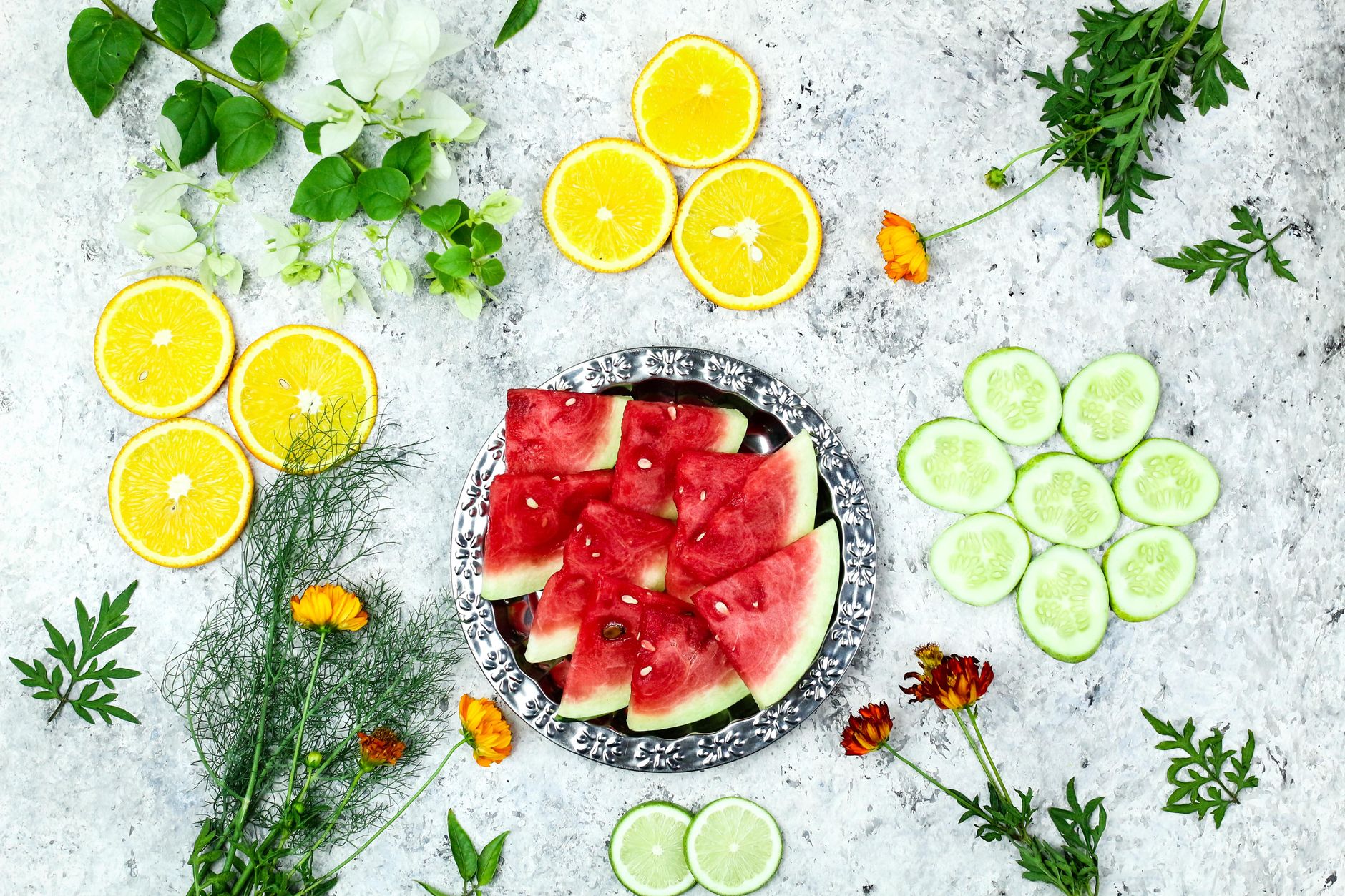
Limonene is a naturally occurring compound renowned for its distinctive citrus aroma and flavor, primarily found in the peels of lemons, oranges, and other citrus fruits. This aromatic compound not only adds zest to culinary creations but also serves various functional roles in cooking, baking, and even the beverage industry.
In this article, we will explore the role of limonene as an essential ingredient, its flavor profile, and how to incorporate it into your meals and drinks, elevating your culinary experience.
What Is Limonene?
Limonene is a monoterpene, a type of hydrocarbon that contributes to the characteristic scent of citrus fruits. It is predominantly found in the essential oils of citrus peels, with higher concentrations in lemons and oranges. Limonene is not only appreciated for its pleasant aroma but also for its potential health benefits, such as antioxidant properties, although such claims should be viewed with caution.
Flavor Profile of Limonene
The flavor of limonene can be described as bright, zesty, and refreshing. It brings to mind the tangy and uplifting notes of lemons and oranges, making it a popular choice in both sweet and savory dishes. Limonene enhances flavor, often providing a natural sweetness and balancing more savory ingredients with its citrusy brightness.
Common Culinary Uses of Limonene
Limonene can be found in various forms in the culinary world, from natural citrus juices to concentrated extracts and essential oils. Here are some common culinary applications:
Baking
When used in baking, limonene contributes to the overall flavor of cakes, cookies, and pastries. Adding lemon zest, orange zest, or citrus oil not only enhances the flavor but also adds freshness to the baked goods.
Cooking
In cooking, limonene can be used to brighten flavors in savory dishes. It pairs well with seafood, poultry, and vegetables. A splash of citrus juice can bring a new dimension to sauces or dressings.
Beverages
Limonene plays a significant role in beverage production. You can find it in lemonades, cocktails, and flavored sparkling waters. It adds a refreshing twist to drinks, making them more appealing and enjoyable.
Marinades and Dressings
The addition of limonene through citrus juice or zest in marinades not only imparts flavor but also acts as a tenderizer for meats, helping to break down tough fibers.
How to Serve Limonene in Your Cooking
Here are practical ways to incorporate limonene into your dishes:
1. Fresh Citrus Juice and Zest
Lemon and orange juice can add a vibrant acidity to your dishes. Zest from these fruits can elevate desserts, dressings, and marinades. For example, try sprinkling lime or lemon zest over grilled fish for a fantastic burst of flavor.
2. Citrus Oils
Citrus essential oils, such as lemon or orange oil, can be used in small quantities to flavor your foods. Be cautious with essential oils; they are potent and should be used sparingly. They are ideal for flavoring sweets or enhancing salad dressings.
3. Marinades
Combine lemon juice, olive oil, garlic, and herbs to create a refreshing marinade for chicken or vegetables. The limonene will help to impart a delicious flavor and tenderize your proteins.
Practical Recipes Highlighting Limonene
To showcase limonene in various cooking applications, here are a few recipes that emphasize its use:
Citrus Vinaigrette
This simple vinaigrette is bright and tangy, making it an excellent dressing for salads or drizzling over roasted vegetables.
- Preparation time: 5 minutes
- Yield: Approximately 1 cup
Ingredients
- 1/2 cup fresh lemon juice (about 2-3 lemons)
- 1/4 cup lemon zest
- 1/2 cup extra-virgin olive oil
- 1 tablespoon Dijon mustard
- Salt and pepper to taste
Method
- In a mixing bowl, whisk together the lemon juice, lemon zest, and Dijon mustard.
- Slowly drizzle in the olive oil while whisking continuously until the mixture is emulsified.
- Season with salt and pepper to taste.
- Serve immediately or refrigerate for up to a week.
Classic Lemonade
A refreshing drink perfect for warm days, classic lemonade showcases the bright flavor of limonene.
- Preparation time: 10 minutes
- Yield: 4 servings
Ingredients
- 1 cup fresh lemon juice (about 5-7 lemons)
- 1 cup granulated sugar (adjust based on preference)
- 4 cups cold water
- Lemon slices and mint leaves for garnish
Method
- In a pitcher, combine the fresh lemon juice and sugar, stirring until the sugar is dissolved.
- Add cold water and mix well.
- Serve over ice and garnish with lemon slices and mint leaves.
Substitutions for Limonene
If you need to find alternatives to limonene or its flavor profile, consider the following substitutions:
- **Lemon Extract**: Use when you want a concentrated lemon flavor in sweet and savory recipes; use 1 teaspoon of lemon extract per tablespoon of fresh lemon juice.
- **Lime Zest or Juice**: For a similar tartness, lime can provide the necessary acidity and zesty flavor in place of lemon.
- **Orange Juice**: This can add a sweeter, fruitier flavor as it’s milder than lemon, making it suitable for desserts or cocktails.
- **Bergamot oil**: Commonly used in Earl Grey tea, it has a floral and citrusy aroma, making it an excellent substitute for recipes needing aromatic quality.
Common Mistakes When Using Limonene
Here are some common mistakes to avoid when working with limonene in cooking:
- **Overusing Essential Oils**: Essential oils are highly concentrated; using too much can create an overpowering flavor. Always start small and adjust as needed.
- **Ignoring Freshness**: When using citrus zest and juice, look for fresh, vibrant fruits to ensure the best flavor. Older fruits may lack the zesty punch typical of limonene-rich ingredients.
- **Skipping the Zest**: Not using zest in conjunction with the juice can lead to a lack of complexity in flavor; always consider incorporating both for maximum impact.
Storage and Reheating Tips with Limonene
When using limonene in your cooking, proper storage is essential to preserve its fresh flavor:
- **Fresh Citrus**: Store lemons and oranges in the refrigerator to prolong their freshness. Whole fruits can last up to a month under the right conditions.
- **Citrus Zest**: Store any leftover zest in an airtight container in the refrigerator for up to a week. You can also freeze zest for longer storage.
- **Citrus Juice**: Freshly squeezed juice can be stored in the refrigerator for up to three days. For extended storage, freeze it in ice cube trays and transfer the cubes to a resealable bag.
Health Considerations and Safety
While limonene is generally recognized as safe for culinary use, there are some considerations to keep in mind:
- **Allergies**: Some individuals may be sensitive or allergic to citrus. Always check for allergies before serving citrus-based dishes.
- **Essential Oils**: Not all essential oils are safe for consumption; ensure you are using food-grade oils if incorporating them into cooking.
- **Moderation**: Like any ingredient, moderation is key. Overconsumption of limonene from concentrated sources may lead to digestive discomfort.
Conclusion
Limonene is a versatile flavor compound that can elevate the taste of numerous dishes and beverages with its bright, refreshing notes. By understanding how to use and substitute limonene, you can enhance your culinary creations while enjoying the complex aromas that citrus provides. Try incorporating fresh lemons or limes in your next recipe to bring out their delightful flavor and aroma.
Consider making a citrus vinaigrette or refreshing lemonade to experience limonene’s bright flavors firsthand. Explore more delightful recipes, such as this limoncello martini or add an exciting twist to your dishes with our lemon pepper seasoning.