
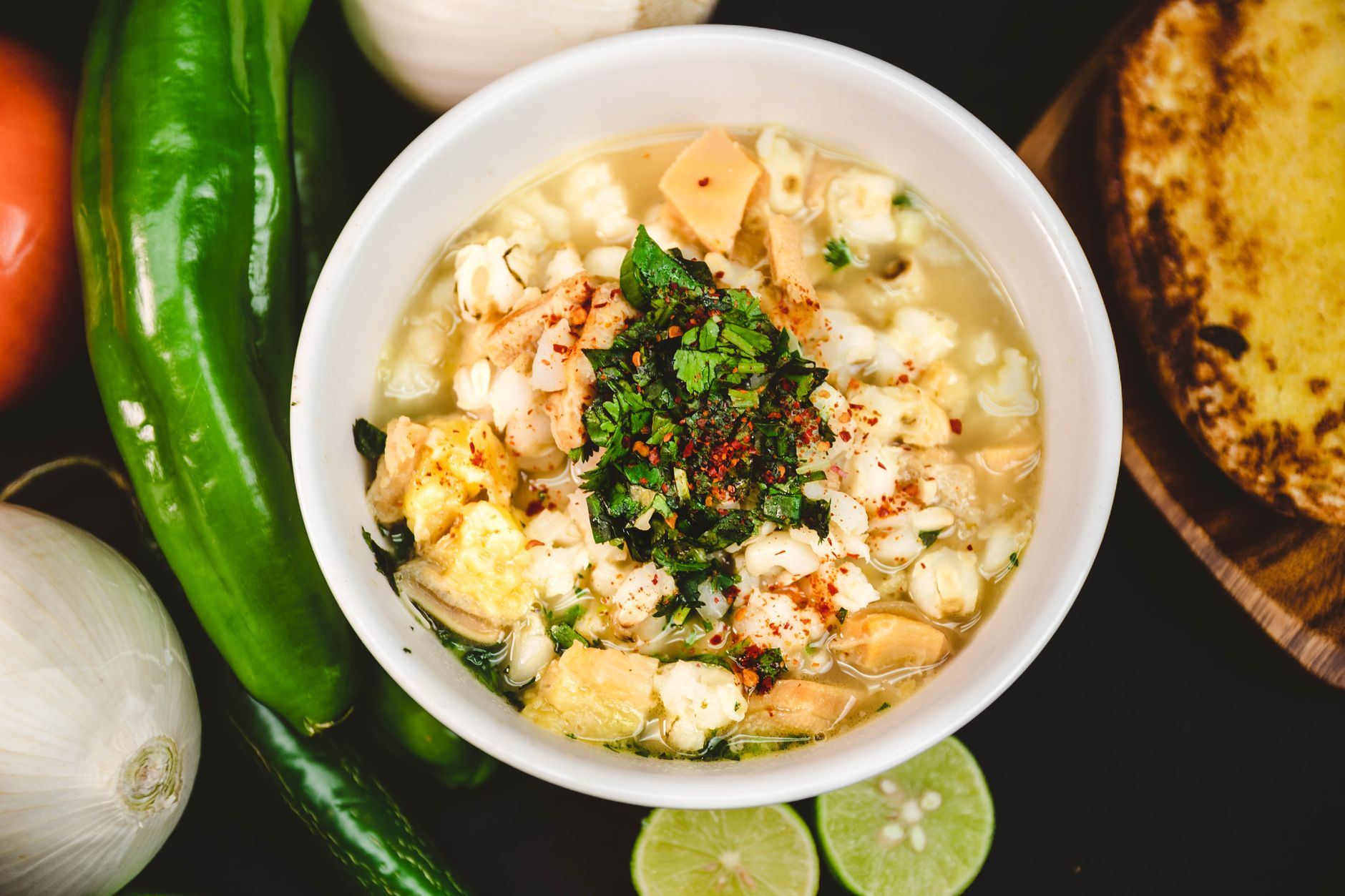
Hominy is a versatile ingredient derived from dried corn that undergoes a process called nixtamalization. This method not only enhances its flavor and texture but also makes it easier to digest. Understanding the carbohydrate content of hominy can be important for those monitoring their carb intake for dietary reasons.
In this article, we will explore the carbohydrate content in hominy, along with its nutritional value, potential health benefits, and ways to incorporate it into your meals. Whether you are a seasoned chef or a curious cook, this guide aims to provide all the necessary information about hominy and its carbohydrate content.
How Many Carbs in Hominy?
Hominy contains approximately 36 grams of carbohydrates per one-cup (about 240 grams) serving of cooked hominy. This serving also offers around 4 grams of protein, 0.6 grams of fat, and various vitamins and minerals. The carbohydrate content can vary slightly based on the brand and preparation method, so checking the nutrition label is advisable when purchasing packaged hominy.
Understanding Hominy
Hominy is made from maize kernels that have been treated with an alkali solution, typically lime or wood ash, in a process called nixtamalization. This treatment helps to soften the kernels, remove the hull, and improve the nutritional profile by increasing calcium content and reducing mycotoxin levels.
There are two main types of hominy available: white hominy and yellow hominy. The color difference is due to the type of corn used. Both varieties retain similar nutritional profiles, making them interchangeable in recipes. Hominy can be found in dried, canned, or frozen forms, allowing for various cooking applications.
Nutritional Profile of Hominy
In addition to carbohydrates, hominy provides essential nutrients. A one-cup serving typically contains the following:
- Calories: 139
- Protein: 4 grams
- Fat: 0.6 grams
- Fiber: 4 grams
- Sodium: 0.9 mg (if canned, sodium levels may vary)
- Calcium: 5% of the Daily Value (DV)
- Iron: 5% of the DV
- Magnesium: 6% of the DV
Health Benefits of Hominy
Hominy is not just a source of carbohydrates; it also offers several health benefits. Here are some of the notable advantages:
Rich in Fiber
The fiber content in hominy supports digestive health by promoting regular bowel movements and helping to prevent constipation. Additionally, fiber can aid in managing blood sugar levels and promoting feelings of fullness, which may assist with weight management.
Gluten-Free
Hominy is naturally gluten-free, making it an excellent choice for individuals with celiac disease or gluten sensitivities. It can be used as a substitute for grains that contain gluten in various dishes.
Versatile Ingredient
This ingredient can be used in numerous recipes, from soups and stews to casseroles and even as a side dish. Its neutral flavor allows it to absorb spices and seasonings easily, making it adaptable to various cuisines.
How to Cook with Hominy
Cooking hominy is straightforward, whether you choose dried or canned varieties. Here’s a brief guide on how to prepare each type:
Cooking Dried Hominy
- Soak the dried hominy in water overnight. This helps to soften it.
- Drain the soaking water and rinse the hominy.
- In a large pot, add the soaked hominy and cover with fresh water (about 3-4 cups for every cup of hominy).
- Bring it to a boil, then reduce the heat to low, and cover the pot.
- Simmer for about 2-3 hours, or until the hominy is tender. Add water as needed to keep it covered.
- Drain and use in your favorite recipes.
Using Canned Hominy
- Open the can and drain the hominy.
- Rinse it under cold water to remove excess sodium or preservatives.
- Heat the hominy in a saucepan over medium heat, adding seasoning to taste.
- Cook for about 5-10 minutes until heated through.
Delicious Ways to Incorporate Hominy Into Your Meals
Hominy can enhance a variety of dishes, adding texture and flavor. Here are a few ideas to inspire your cooking:
Hominy in Soups and Stews
Add cooked hominy to soups and stews, such as posole (a traditional Mexican dish), for added heartiness and nutrition.
Hominy as a Side Dish
Serve cooked hominy seasoned with butter, herbs, and spices as a delicious alternative to rice or potatoes.
Hominy in Casseroles
Use hominy as a base in casseroles, layering it with vegetables and protein for a complete meal.
Hominy in Salads
Incorporate hominy into salads for a unique twist. Mix it with beans, corn, and your favorite dressing for a refreshing side salad.
Hominy Substitutions
If you’ve run out of hominy, there are a few substitutions you can consider, though the flavors and textures may vary:
- Corn kernels: Fresh, frozen, or canned corn can work in many recipes but will lack the specific texture hominy provides.
- Quinoa: A gluten-free grain that can be used as a base or side dish, though it has a different taste.
- Rice: A common substitute that works well in casseroles and as a side but will alter the overall dish flavor.
Common Mistakes When Cooking with Hominy
Cooking hominy is fairly simple, but common missteps can impact your dish’s final outcome. Here are a few tips to avoid those pitfalls:
Not Soaking Dried Hominy
Skipping the soaking step can lead to longer cooking times and less tender results. Always soak dried hominy overnight.
Ignoring Flavoring Opportunities
Hominy has a bland flavor by itself. Be sure to season it adequately with spices, herbs, and broth during cooking to enhance its taste.
Overcooking or Undercooking
Pay attention to cooking times. Overcooked hominy can turn mushy, while undercooked hominy will be tough and chewy.
Storage Tips for Hominy
Proper storage ensures that your hominy stays fresh for future use. Here’s how to store both dried and cooked hominy:
Storing Dried Hominy
Dried hominy can be stored in a cool, dry place in an airtight container. It has a long shelf life of around 2-3 years if kept away from moisture and light.
Storing Cooked Hominy
Once cooked, hominy can be stored in an airtight container in the refrigerator for up to 4-5 days. For longer storage, consider freezing it:
- Allow the cooked hominy to cool completely.
- Portion it into freezer-safe containers, leaving space for expansion.
- Label and freeze for up to 6 months. Thaw before reheating.
Conclusion
Hominy is a nutritious food choice that provides a rich source of carbohydrates along with fiber and essential nutrients. Its versatility allows it to be used in various dishes, from soups to casseroles. Understanding its nutritional content can help you incorporate hominy into your diet more effectively. Whether you’re cooking for yourself or preparing meals for others, this wholesome ingredient is worth considering.
If you’re looking for more ideas or guidance on cooking with specific ingredients, check out how many carbs are in eggs or explore if broccoli has carbs to broaden your culinary repertoire.