
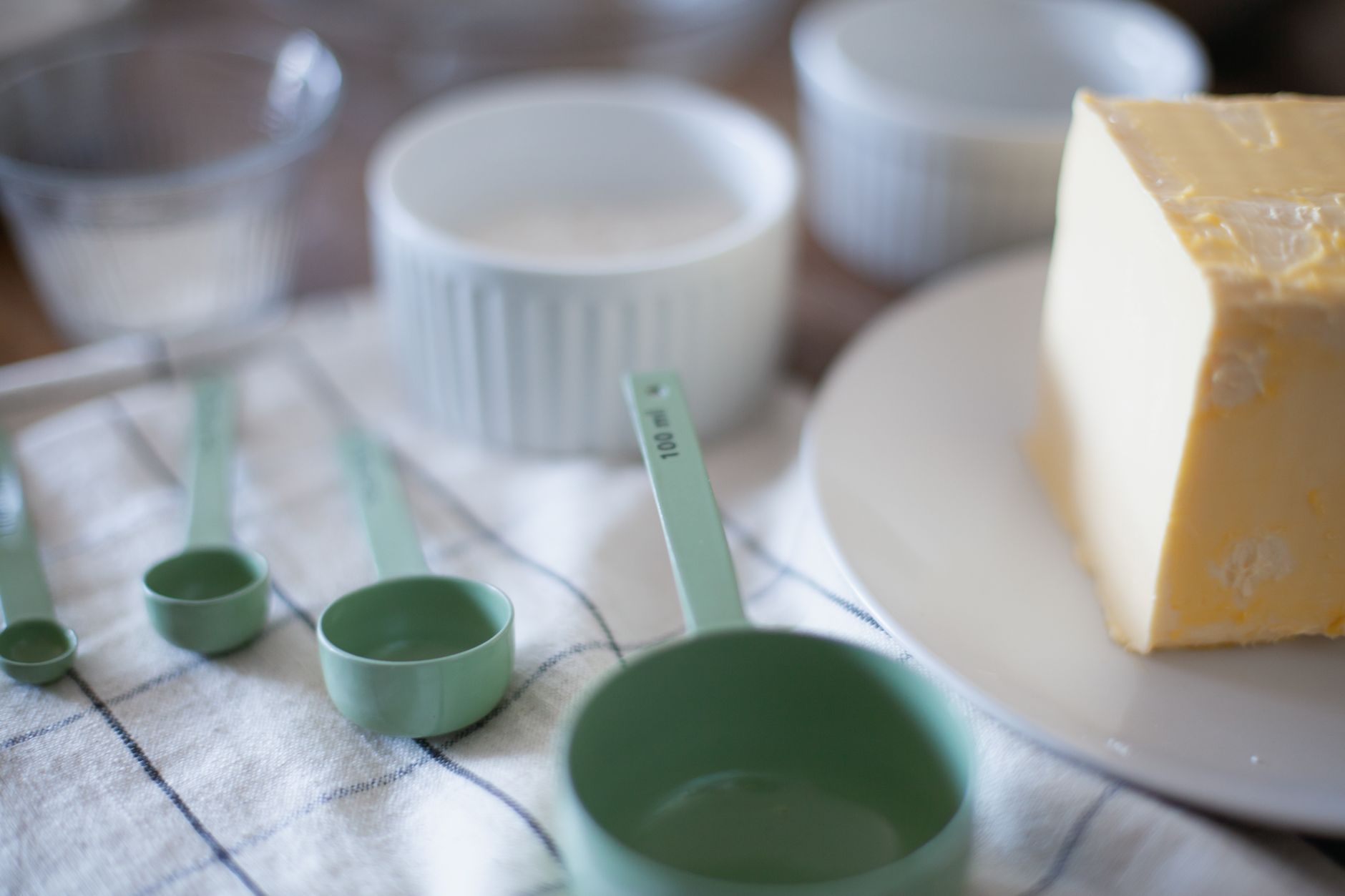
Understanding cooking measurements is essential for both novice and experienced cooks. One common question that often arises is regarding butter measurement. Knowing how many tablespoons are in a half cup of butter can save time and enhance your baking skills.
This article will explore the conversion of butter measurements, provide practical tips, and share essential information about butter’s role in cooking and baking. Whether you’re preparing a rich cake, savory dish, or creamy sauce, knowing this conversion is vital for achieving the right consistency and flavor.
How Many Tbsp Is A Half Cup Of Butter?
A half cup of butter is equivalent to 8 tablespoons. This relationship holds true regardless of the type of butter you are using, whether it’s unsalted, salted, or clarified.
Butter is commonly measured in small amounts in recipes, but it often appears in larger quantities in baking, where precision is critical. Here’s a useful breakdown of butter measurements:
- 1 tablespoon = 1/2 ounce
- 2 tablespoons = 1 ounce
- 4 tablespoons = 1/4 cup
- 8 tablespoons = 1/2 cup
- 16 tablespoons = 1 cup
Why Accurate Butter Measurements Matter
Butter plays a crucial role in cooking and baking, influencing flavors, textures, and the overall outcome of a recipe. Accurate measurements are vital, particularly in baking where the balance of ingredients can determine success or failure.
Too much or too little butter can result in dry cakes, dense cookies, or unevenly cooked dishes. For example, in cookie recipes, the amount of butter affects spread and texture. Less butter typically results in a firmer cookie, while more butter can yield a softer, chewier result.
Butter Types and Their Uses
There are several types of butter available, each with distinct flavors and culinary applications:
1. Unsalted Butter
Unsalted butter is commonly used in baking. Its lack of added salt allows for better control over the overall seasoning of dishes. Unsalted butter is recommended for recipes where the butter’s flavor should shine, such as pastry or delicate cakes.
2. Salted Butter
Salted butter contains salt, which enhances flavor. This type is often used in general cooking and can be a good substitute for unsalted butter; however, it’s important to adjust the added salt in a recipe accordingly.
3. Clarified Butter
Clarified butter, which has had the milk solids removed, has a higher smoke point and a rich flavor. It’s ideal for frying and sautéing due to its ability to withstand high temperatures without burning.
4. European-Style Butter
European-style butter has a higher fat content and is creamier than standard butter. This type is excellent for baking, providing richer flavors and textures. Its higher fat content makes it more suitable for pastry-making.
Cooking Techniques That Involve Butter
Butter is versatile and can be used in various cooking techniques. Here are a few common methods that utilize butter:
1. Sautéing
Butter is often used as a base fat for sautéing vegetables or proteins. When sautéing, it adds flavor but should be monitored carefully to prevent burning. A mixed-use of butter and oil can help achieve a higher smoke point and prevent the butter from browning too quickly.
2. Baking
Butter is a key fat in baking. Its role includes providing moisture, richness, and flavor. The creaming method, where butter and sugar are beaten together, creates air pockets that help baked goods rise, contributing to a light texture.
3. Emulsifying
Butter can emulsify sauces and dressings, such as hollandaise or beurre blanc. When clarified, butter can be whisked into lemon juice or vinegar to create a smooth, velvety texture.
4. Browning Butter
Browning butter adds a nutty flavor to recipes. To brown butter, melt it in a saucepan over medium heat while stirring continuously until it turns golden brown and has a nutty aroma. This process enhances the flavor of cookies and savory dishes.
Practical Tips for Measuring Butter
Measuring butter accurately can be a challenge. Here are some practical tips to ensure you get it right:
1. Stick Marks
Most butter comes in sticks with tablespoon measurements marked on the wrapper. Utilize these markings for precise measurements, making it easy to cut the desired quantity.
2. Weight Measurement
If precision is critical, consider using a kitchen scale. One stick of butter weighs 4 ounces, making it easier to measure for larger recipes.
3. Softening Butter
For creaming methods, butter should be softened but not melted. To soften butter quickly, cut it into small pieces or grate it, which will allow it to come to room temperature faster.
4. Using Water Displacement
An alternative method for measuring butter, particularly when working with a block, is the water displacement method. Fill a measuring cup with water, then add pieces of butter until the water rises to the desired amount. Subtract the original water level to find out how much butter you have added.
Common Recipe Conversions and Substitutions
Sometimes, you may need to substitute butter in recipes. Understanding the ratios can help maintain the recipe’s integrity:
1. Margarine
Margarine can be substituted for butter in a 1:1 ratio, although the flavor and texture may differ. Some margarine might have more water, affecting the outcome of baked goods.
2. Coconut Oil
Coconut oil can also replace butter in a 1:1 ratio, providing a slight coconut flavor. Solid coconut oil can be used in baking, while melted oil may work better in cooking applications.
3. Applesauce
For a healthier alternative, unsweetened applesauce can replace butter in baking. The standard substitution is to use 1/4 cup applesauce for each cup of butter. This will reduce fat content but can change the texture and moisture level of the end product.
4. Avocado
Mashed avocado can serve as a butter substitute in baking and cooking. Use it in a 1:1 ratio; however, it may alter the flavor profile and result in denser baked goods.
Common Mistakes When Using Butter
Even experienced cooks can make common mistakes when using butter. Here are some pitfalls to avoid:
1. Not Measuring Accurately
As mentioned earlier, precise measurements are crucial, especially in baking. Be sure to use the appropriate measuring tools to ensure accuracy.
2. Using Cold Butter
Using cold butter in recipes requiring softened butter can lead to dense baked goods. Make sure to bring butter to room temperature or soften it appropriately before use.
3. Overheating Butter
If butter is overheated during melting or browning, it can burn quickly, resulting in an undesirable bitter taste. Always keep an eye on melting butter, adjusting heat as necessary.
4. Ignoring Quality
Not all butters are created equal. Using high-quality butter can impact flavor significantly, especially in recipes that rely on butter as a primary ingredient.
Storage and Shelf Life of Butter
Proper storage of butter ensures it stays fresh and maintains its flavor. Here are some guidelines on how to store butter:
1. Refrigeration
Butter should generally be stored in the refrigerator if it’s not being used frequently. Wrapped tightly, it can last for up to six months in the fridge.
2. Freezing
For longer storage, butter can be frozen. Wrap it in aluminum foil or plastic wrap, and place it in an airtight container. Frozen butter can last up to a year. Thaw it in the refrigerator when ready to use.
3. Countertop Storage
If you use butter frequently, it can be stored at room temperature for short periods. Use a butter dish with a cover, and keep it away from heat sources. Unsalted butter can usually be kept at room temperature for about one to two weeks.
Final Thoughts
Understanding how many tablespoons are in a half cup of butter is a straightforward yet essential piece of knowledge for anyone who enjoys cooking or baking. Remember that a half cup of butter equates to 8 tablespoons, and consider the various types of butter available for different culinary uses.
With the information and tips provided in this guide, you’ll be prepared to measure, substitute, and use butter effectively in your recipes, leading to delightful dishes every time.
For delicious recipes featuring butter, consider exploring our cinnamon roll recipe or try our butter swim biscuits recipe. Each highlights the importance of butter in creating flavorful, satisfying meals.