
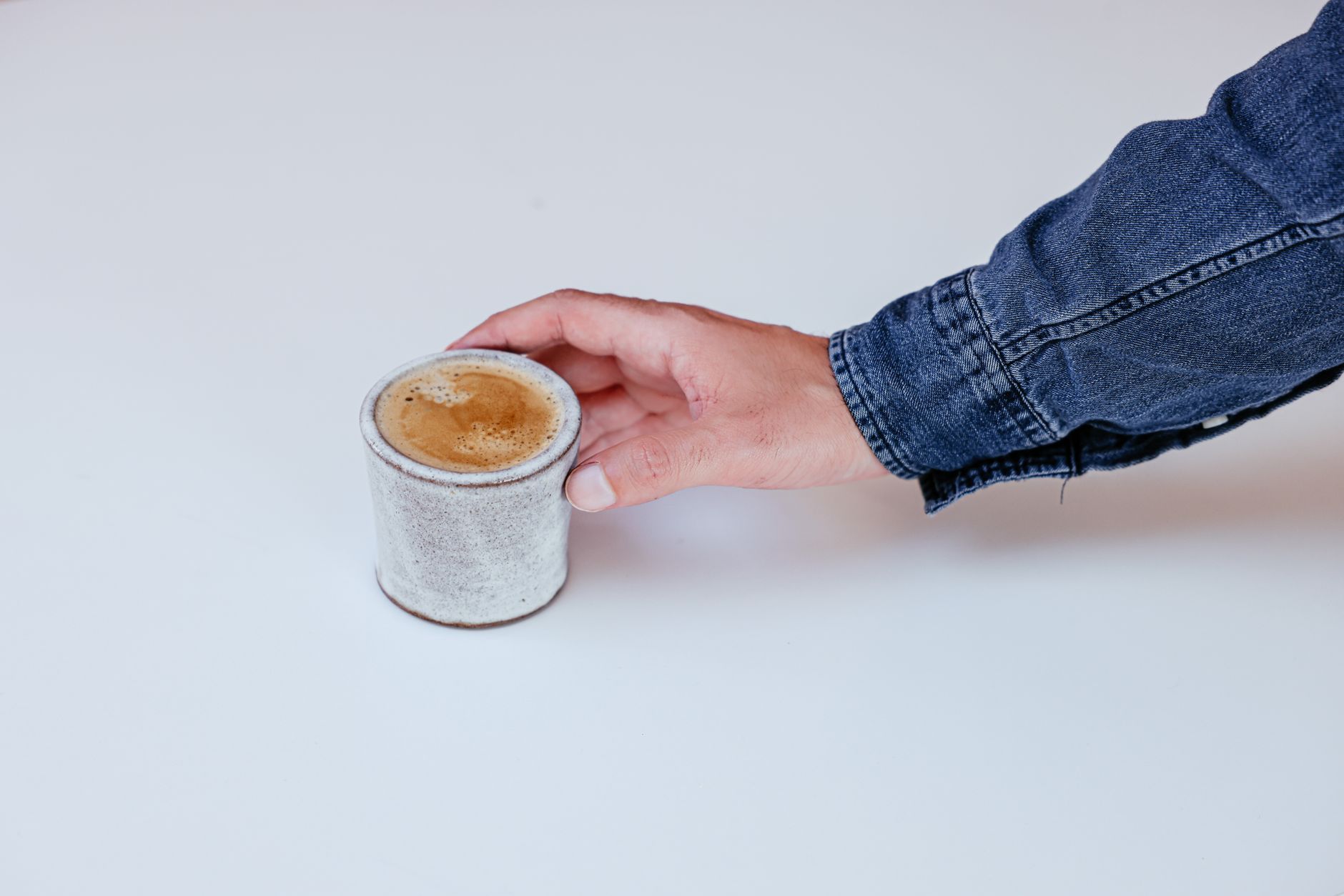
Espresso is a beloved coffee beverage that many people enjoy for its bold flavor and energizing effects. But if you’re watching your caloric intake, you may wonder: does espresso have calories? Understanding the caloric content of espresso is essential for those who want to manage their diet while still enjoying their favorite caffeinated drinks.
In this article, we will delve into the caloric content of espresso, explore portion sizes, and discuss its nutritional aspects. With this information, you will be equipped to make informed decisions about how espresso fits into your dietary preferences.
Does Espresso Have Calories?
Yes, espresso does have calories, albeit in a small amount. A single shot of espresso (about 1 ounce or 30 mL) typically contains approximately 1 calorie. This low caloric content makes espresso a popular choice for those looking to enjoy a flavorful drink without significant caloric intake.
Understanding Espresso: A Brief Overview
Espresso is a concentrated coffee beverage brewed by forcing hot water under pressure through finely-ground coffee beans. The result is a small but powerful shot of coffee that is rich in flavor and aroma. The brewing process of espresso leads to a more intense experience compared to regular brewed coffee.
The Nutritional Profile of Espresso
When it comes to the nutritional aspects of espresso, it is important to consider the ingredients beyond just calories. The primary nutritional components in espresso include:
- Calories: Approximately 1 calorie per shot (30 mL)
- Carbohydrates: Less than 1 gram
- Protein: Less than 1 gram
- Fat: 0 grams
- Vitamins and Minerals: Contains small amounts of potassium, magnesium, and B vitamins.
Factors That Affect Caloric Content of Espresso
The base caloric content of espresso is low; however, the overall caloric intake can increase significantly based on what is added to it. Here are some common factors to consider:
1. Additives
Many people enjoy adding sweeteners, milk, or cream to their espresso, which significantly increases the caloric content:
- Sugar: One teaspoon of sugar adds about 16 calories.
- Milk: Adding milk (whole, skim, or non-dairy) will add approximately 9 to 20 calories depending on the quantity and type used.
- Syrups: Flavored syrups can add 50-100 calories per serving.
2. Portion Size
The size of the espresso shot can also affect caloric intake. While a standard single shot is around 1 ounce, double shots are common as well, which can effectively double the calorie count to approximately 2 calories per double shot, excluding any added ingredients.
3. Preparation Method
How the espresso is prepared and served can impact its final caloric value. For example, an espresso martini or affogato will contain a higher caloric count due to added ingredients like alcohol or ice cream.
How Espresso Fits into a Healthy Diet
For those mindful of caloric intake, incorporating espresso into a healthy diet can be easy and satisfying. Due to its low calories, espresso can be an excellent addition to an energy-boosting morning routine. Here are ways to enjoy espresso without tipping the caloric scales:
- Drink it Black: Enjoying espresso straight allows you to relish in its rich flavor without adding any calories.
- Add a Dash of Spice: Cinnamon or cocoa powder can enhance the flavor without adding calories.
- Mind the Portion: A standard single shot can be enjoyed daily without worry, while larger servings can be reserved for special occasions.
Espresso Drinks and Their Caloric Content
Many popular espresso drinks have varying caloric counts based on their ingredients. Here’s a quick overview:
| Drink | Calories (approx.) |
|---|---|
| Espresso (1 shot) | 1 |
| Americano (1 shot espresso + hot water) | 1 |
| Latte (1 shot espresso + 6 oz milk) | 90-120 |
| Cappuccino (1 shot espresso + equal parts milk and foam) | 80-100 |
| Macchiato (1 shot espresso + a little foamed milk) | 5-10 |
| Espresso Martini (1 shot espresso + vodka + coffee liqueur) | 200-250 |
Common Mistakes to Avoid When Enjoying Espresso
While espresso can be enjoyed guilt-free due to its low calories, certain habits can lead to increased caloric counts. Here are some common mistakes to avoid:
- Overloading with Sugar: Adding multiple teaspoons of sugar or flavored syrups can elevate the caloric content from a mere 1 calorie to a significant number.
- Choosing High-Calorie Creamers: Opting for heavy cream or sugary creamers can add excessive calories.
- Ignoring Portion Control: Consuming large quantities of espresso drinks can add up in calories quickly.
How to Make Espresso at Home
Making espresso at home can be a rewarding and cost-effective way to enjoy this delightful drink. Below is a simple method to prepare espresso using an espresso machine or a stovetop Moka pot.
Equipment Needed
- Espresso machine or stovetop Moka pot
- Coffee grinder (if using whole beans)
- Fresh coffee beans or pre-ground espresso coffee
- Tamper (for espresso machine)
- Coffee scale (optional)
Ingredients
- 18-20 grams of finely ground coffee for a double shot (or 9-10 grams for a single shot)
- Filtered water
Method
- If using whole beans, measure and grind the coffee to a fine consistency.
- Preheat the espresso machine if required or fill the Moka pot with water to the designated level.
- Place the coffee into the portafilter, ensuring even distribution, then tamp down gently but firmly.
- Lock the portafilter into the machine and start brewing. For a Moka pot, assemble it and place it directly on the stovetop.
- Sit back and watch as the rich, creamy espresso brew pours into your cup.
- Enjoy your freshly brewed espresso straight or customize it to your taste.
Practical Tips for Storing Espresso
Espresso is best enjoyed fresh, but if you have leftover brewed espresso, follow these storage tips:
- Store leftover espresso in an airtight container in the refrigerator for up to 3 days.
- If you want to keep your espresso longer, consider freezing it in ice cube trays for use in recipes or drinks later.
- Avoid reheating espresso in the microwave as it can alter the flavor profile. Instead, consider using a small saucepan.
Exploring Substitutions and Variations
If you wish to modify your espresso drink, here are some alternatives to consider:
- Milk Substitutes: Try unsweetened almond, oat, or soy milk as lower-calorie alternatives to whole milk.
- Sweetener Alternatives: Use natural sweeteners like stevia or erythritol to cut down on calories from sugar.
- Flavored Espresso: Experiment with spices such as cardamom or vanilla extract for flavor without extra calories.
Conclusion
Espresso is not only low in calories but also versatile, lending itself well to both straightforward and elaborate coffee drinks. Whether you enjoy it black, with a splash of milk, or as the base of a complex beverage, understanding its caloric content can help you incorporate it effortlessly into your diet.
For a refreshing twist, consider trying an espresso tonic or give a protein coffee recipe a shot to boost your morning routine. Explore more beverage creativity and flavor inspirations as you enjoy your espresso journey!
Discover other flavorful drink ideas with our espresso tonic recipe or a nutritious protein coffee recipe for a delightful caffeine experience.