
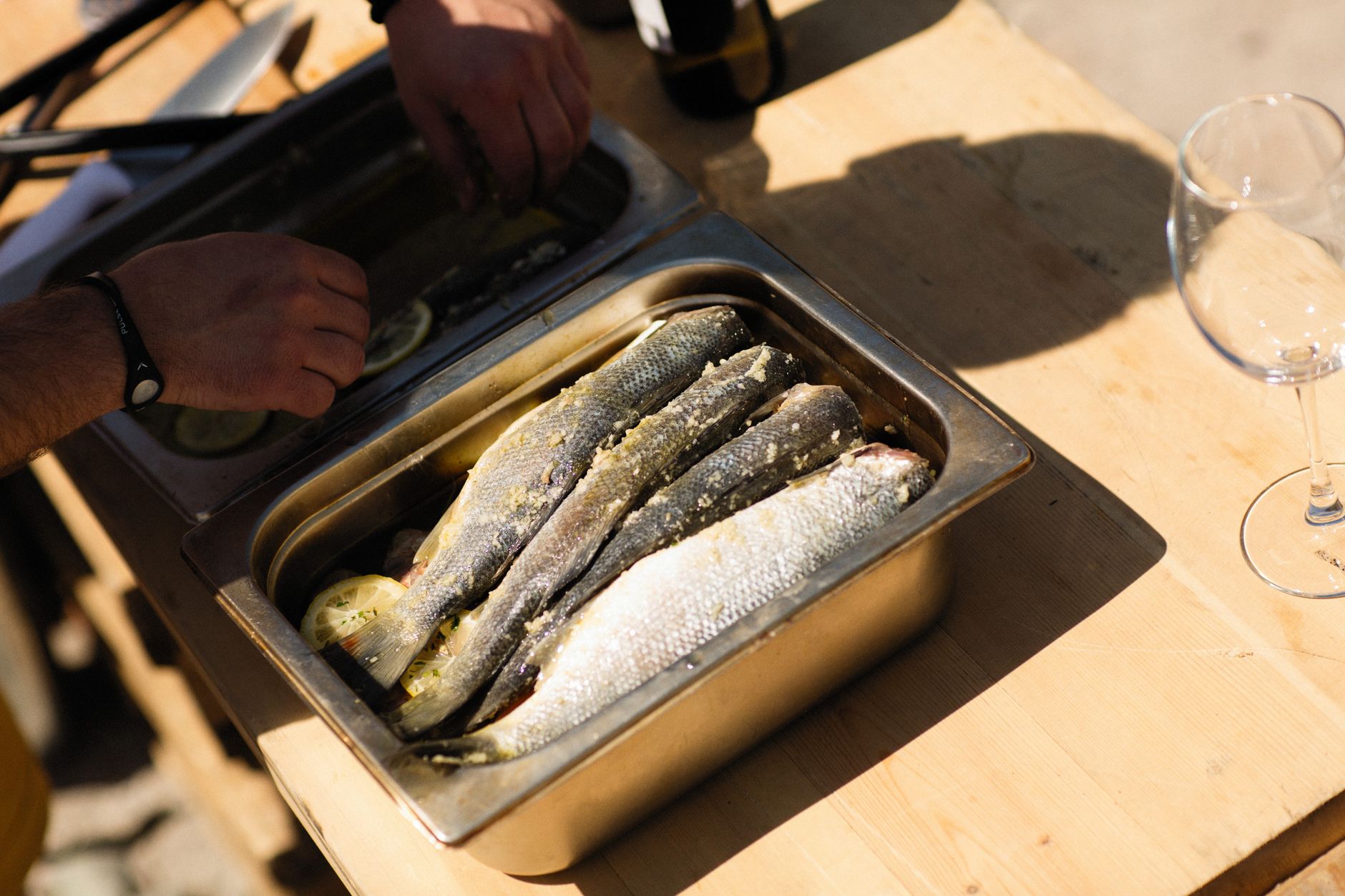
Sea bass is a highly sought-after fish appreciated for its delicate flavor and versatile culinary applications. Whether grilled, baked, or pan-fried, its taste can compliment a variety of ingredients and flavors, making it a favorite among home cooks and chefs alike.
This article will delve into what sea bass tastes like, exploring its flavor profile, texture, ideal pairings, and cooking methods, providing you with a comprehensive understanding of this popular fish.
What Does Sea Bass Taste Like?
Sea bass has a mild, slightly sweet flavor with a subtle brininess, making it approachable for those new to seafood. Its flesh is firm yet tender, offering a flaky texture that holds up perfectly when cooked. This combination of taste and texture makes sea bass versatile, suitable for various cuisines and cooking methods.
Overall, sea bass embodies the essence of sophisticated seafood, making it a delight for the palate.
Flavor Profile of Sea Bass
When describing the taste of sea bass, several key characteristics stand out:
- Mildness: Sea bass is known for its unobtrusive flavor, which allows it to easily absorb the seasonings and sauces with which it is prepared.
- Sweetness: A natural sweetness enhances its delicate taste, making it enticing to many.
- Brininess: Sea bass has a subtle hint of ocean salinity, emphasizing its freshness.
- Umami: This fish also has a slight umami quality, contributing to its overall savory profile.
Texture of Sea Bass
Texture plays a critical role in how we perceive the enjoyment of a dish. Sea bass features:
- Firm Flesh: The flesh is firm, yet it is forgiving and easy to flake, making it suitable for various cooking techniques.
- Moisture: When cooked properly, sea bass remains moist and tender, as it retains its natural oils.
- Flakiness: The fish flakes easily with a fork, offering a satisfying eating experience.
Types of Sea Bass
Several types of sea bass exist, and their taste can vary slightly depending on the species. The most popular types include:
- Black Sea Bass: Known for its rich, slightly sweet flavor and firm, white flesh, often used in southern U.S. cuisine.
- European Sea Bass (Branzino): Features delicate, flaky flesh with a mild taste, often grilled or baked in Mediterranean dishes.
- Chilean Sea Bass: Though not a true bass, it has a rich, buttery flavor and high-fat content, making it a favorite in gourmet restaurants.
Cooking Methods for Sea Bass
Cooking not only enhances sea bass’s flavor but also influences its texture. Here are some popular methods for cooking sea bass:
- Grilling: Grilling adds a smoky flavor and beautiful char marks. Keep the skin on to help retain moisture.
- Baking: Baking allows for even cooking, preserving the fish’s natural moisture while infusing flavors. Wrap it in parchment or foil for added moisture.
- Pan-searing: This technique creates a crispy exterior and tender inside. Use a hot skillet with a bit of oil for the best results.
- Poaching: A gentle method that retains moisture, poaching sea bass in broth or wine enhances its delicate flavor.
Ideal Pairings for Sea Bass
The mild flavor of sea bass makes it versatile, allowing it to pair well with a variety of ingredients:
Herbs and Spices
Fresh herbs can elevate the dish:
- Basil: Works well in Mediterranean-style dishes.
- Dill: A classic pairing for fish dishes, adding freshness.
- Cilantro: Great for Asian-inspired flavors.
Sauces
Complementary sauces can enhance the taste:
- Lemon Butter Sauce: A classic choice that brightens the flavors.
- Mango Salsa: Adds a sweet and tangy contrast.
- Chimichurri: A fresh, garlicky sauce that adds a burst of flavor.
Side Dishes
Side dishes can enhance the meal:
- Roasted Vegetables: Seasonal vegetables add color and flavor.
- Rice or Quinoa: Provides a neutral base for the fish.
- Potatoes: Mashed or roasted potatoes make for a comforting side.
Common Cooking Mistakes with Sea Bass
Understanding common pitfalls will help you achieve the best results when cooking sea bass:
- Overcooking: Sea bass is delicate; overcooking can lead to a dry texture. Aim for an internal temperature of 145°F (63°C).
- Not seasoning: A lack of seasoning can mask the fish’s natural flavors. Don’t be shy with salt, pepper, and herbs.
- Skipping the skin: Cooking with the skin on helps maintain moisture and flavor. It also provides a slight crispiness when seared.
Storing and Reheating Sea Bass
Proper storage is essential to maintain sea bass’s quality:
- Refrigeration: Fresh sea bass should be wrapped tightly and stored in the refrigerator for up to two days.
- Freezing: If not consuming within two days, wrap it in plastic wrap and foil to freeze for up to six months.
- Reheating: Reheat gently in the oven at a low temperature (around 275°F or 135°C) to avoid drying it out.
Conclusion
Sea bass offers a delicate and versatile flavor that is perfect for a range of culinary applications. Understanding its taste, texture, and ideal pairings can help you appreciate this delicious fish even more. Knowing how to cook it properly and enhancing it with the right sides and sauces can elevate your dining experience.
For further inspiration, consider exploring related recipes or guides that highlight the use of sea bass and other delicious seafood options, which can help broaden your culinary repertoire.
Visit these links for delicious recipes: Black Sea Bass Recipe and Branzino Fillet Recipe.