
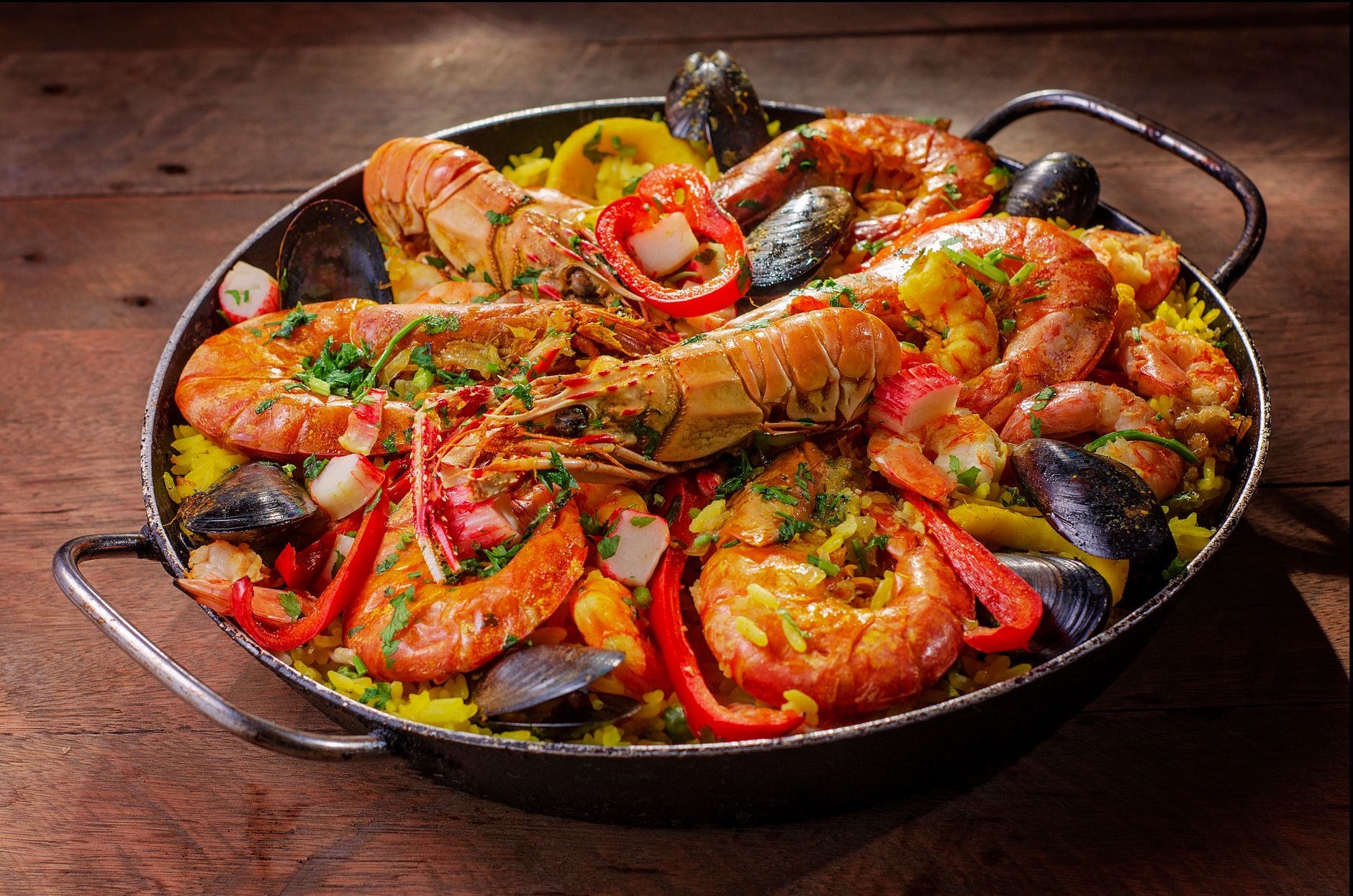
A paella pan is a shallow, wide cooking vessel traditionally used in Spain to prepare the iconic dish, paella. Its unique design allows for even heat distribution, optimal cooking of rice, and the ability to create the characteristic socarrat, or crispy rice layer at the bottom of the dish. Understanding its features and intended uses can elevate your culinary skills and experiences.
This article delves into what a paella pan is, its construction, culinary applications, the ingredients that shine in the dish, and tips on how to use this essential tool effectively in your kitchen.
What Is a Paella Pan?
A paella pan, or “paellera,” is a round, flat pan characterized by its wide, shallow shape and two looped handles. Traditionally made from polished steel or stainless steel, these pans come in various sizes to accommodate different serving needs. Their flat bottoms are designed for cooking rice evenly and provide ample surface area for the other ingredients. The pan’s design is essential for achieving the distinctive texture and flavor of paella, making it an invaluable tool for anyone looking to master this dish.
Key Features of a Paella Pan
- Material: They are often made from carbon steel, which conducts heat well, but also comes in enameled or stainless steel options for diverse cooking needs.
- Size: Ranging from small 8-inch pans to large 40-inch pans, the size chosen largely depends on how many servings are needed; they are typically designed to serve anywhere from two to twenty people.
- Shape: The shallow, wide design is crucial for maximizing the cooking surface, allowing the rice to cook evenly while developing a crispy bottom layer.
- Handles: The two looped handles make it easy to transport the pan to and from heat sources, a practical feature when working with large servings.
The Importance of Using a Paella Pan
Using a paella pan instead of a standard skillet or frying pan is crucial for several reasons. Firstly, the even heat distribution allows for uniform cooking of rice, reducing the risk of burning in places. Secondly, the shallow depth ensures that the rice cooks properly, achieving the ideal texture without becoming mushy. Lastly, the design encourages the formation of socarrat, the coveted crispy layer of rice, adding a distinctive taste and texture to the dish.
Common Ingredients Used in Paella
While the ingredients can vary widely depending on personal preferences and regional variations, several key components typically feature in most paella recipes:
- Rice: Short-grain rice such as Bomba or Calasparra is commonly used for its ability to absorb flavors while remaining firm.
- Broth: A flavorful broth, often made from seafood or chicken, forms the base of the dish, enhancing the rice’s flavor.
- Proteins: Ingredients can include chicken, rabbit, seafood (such as shrimp, mussels, and squid), or even vegetables for a vegetarian version.
- Saffron: This spice is essential for coloring the dish and imparting its distinctive flavor. It is often used in combination with other spices such as paprika.
- Vegetables: Common vegetables found in paella include green beans, bell peppers, peas, and tomatoes.
Flavor Profile of Paella
The flavor of paella often reflects its ingredients and regional preparation style. The combination of saffron and smoked paprika gives the dish its warm, earthy tones. Adding seafood imparts a briny freshness, while meats like chicken and rabbit contribute savory richness. The vegetables add sweetness and texture, rounding out the dish’s flavor profile. Overall, paella is known for its complex layers of flavor, combining different tastes and aromas that reflect the diverse culinary influences in Spanish cuisine.
Culinary Uses of a Paella Pan
While the primary use of a paella pan is to make paella, its versatility extends to other cooking methods and dishes:
- Fried Rice Dishes: Venturing beyond traditional paella, the pan can be used to cook other rice dishes like risotto or pilaf.
- Stir-Frying: The shallow shape makes it suitable for stir-frying vegetables and proteins, allowing for quick and even cooking.
- Fajitas: The pan can be an excellent choice for cooking sizzling steak or chicken fajitas, providing ample surface area for searing.
- Grilling: Place the pan on a grill to cook meat, vegetables, or even flatbreads, creating a charred, flavorful meal.
Choosing the Right Paella Pan
When selecting a paella pan, consider the following factors to ensure the best cooking experience:
- Size: Choose a pan size based on the number of servings you typically make. A good rule of thumb is to use roughly 100 grams of uncooked rice per person.
- Material: Carbon steel pans are preferred for traditionalists, while enameled options may be better for those who prioritize ease of cleaning.
- Handle Design: Ensure the handles are sturdy and heat-resistant, allowing for safe transport.
- Price: While high-quality pans can be an investment, there are affordable options available that still provide good results.
Common Mistakes When Using a Paella Pan
When it comes to cooking with a paella pan, even seasoned cooks can run into issues. Here are some common mistakes and how to avoid them:
- Using the Wrong Rice: Avoid using long-grain rice, which does not absorb liquid the same way as short-grain varieties.
- Overcrowding the Pan: Adding too many ingredients can lead to uneven cooking and prevent the formation of socarrat. Arrange ingredients in a single layer when possible.
- Ignoring Heat Levels: Starting with too high heat can burn the socarrat. Use a medium to medium-high heat for achieving optimal results.
- Stirring Too Much: Once the rice is added to the broth, avoid stirring. Stirring can release starch and lead to mushy rice.
How to Prepare a Paella Dish in a Paella Pan
Here’s a step-by-step guide to preparing a classic seafood paella using a paella pan:
- Ingredients: Gather the following:
- 2 cups short-grain rice (Bomba or Calasparra)
- 4 cups fish or chicken broth
- 1/2 tsp saffron threads
- 1 lb mixed seafood (shrimp, mussels, squid)
- 1/2 cup green beans
- 1 bell pepper, sliced
- 1 large tomato, diced
- 2 cloves garlic, minced
- 2 tbsp olive oil
- 1 tsp smoked paprika
- Salt and pepper to taste
- Heat the Broth: In a separate pot, heat your broth and infuse it with saffron. This will be added later to the rice.
- Cook the Vegetables: In your paella pan, heat the olive oil over medium heat. Add the garlic, bell pepper, and green beans, and sauté until soft.
- Add Tomato and Spices: Stir in the diced tomato and smoked paprika, cooking for 2-3 minutes.
- Add Rice: Pour in the rice, stirring to coat it in the oil and vegetable mixture. Allow to toast for about a minute.
- Add Broth: Quickly add the hot saffron-infused broth, ensuring the rice is evenly covered. Do not stir once the broth is added.
- Cook the Paella: Leave the paella to cook on a medium flame for about 15-20 minutes until the rice absorbs most of the liquid. You may need to adjust the heat to avoid burning.
- Add Seafood: After the rice has cooked for about 15 minutes, arrange the seafood on top. Cook for an additional 5 minutes until the seafood is cooked through.
- Let It Rest: Remove from heat and let the paella rest for about 5-10 minutes before serving.
- Serve and Enjoy: Garnish with lemon wedges and serve directly from the pan.
Storage and Reheating
Paella can be stored in the refrigerator for up to two days. If you have leftovers, allow the paella to cool completely before transferring it to an airtight container. When reheating, it’s best to place it in a skillet over medium heat with a splash of broth or water to prevent drying out. Cover the pan with a lid to ensure even warming, and stir gently to heat through without breaking the rice.
Exploring Variations of Paella
Paella comes in many forms, reflecting regional variations and personal preferences:
- Vegetarian Paella: Substitute seafood and meat with an assortment of seasonal vegetables, chickpeas, and herbs.
- Mixed Paella: Combine seafood and meats such as chicken or rabbit for a robust flavor profile.
- Seafood Paella: Emphasize seafood by using fish stock and a variety of shellfish to highlight ocean flavors.
Experimenting with ingredients and techniques can yield unique versions of paella, opening a world of culinary possibilities.
Essential Equipment for Cooking Paella
Besides a paella pan, having the right tools can significantly improve your cooking experience:
- Spatula: A wide spatula helps prevent rice from sticking and enables easier serving.
- Cooking Thermometer: If using chicken or seafood, a thermometer ensures safe cooking temperatures.
- Serving Tray: A large serving platter can be useful for transferring the completed dish if desired.
With the right equipment, ingredients, and techniques, mastering the art of paella can be an enjoyable and satisfying journey. A paella pan enhances the cooking experience, helping you create a dish that is flavorful, visually appealing, and steeped in tradition.
As you explore the world of paella, consider expanding your culinary skills by learning about ingredients like saffron or experimenting with different rice types like Arborio. For comprehensive guides, read about the taste of saffron or discover how to cook with Arborio rice.