
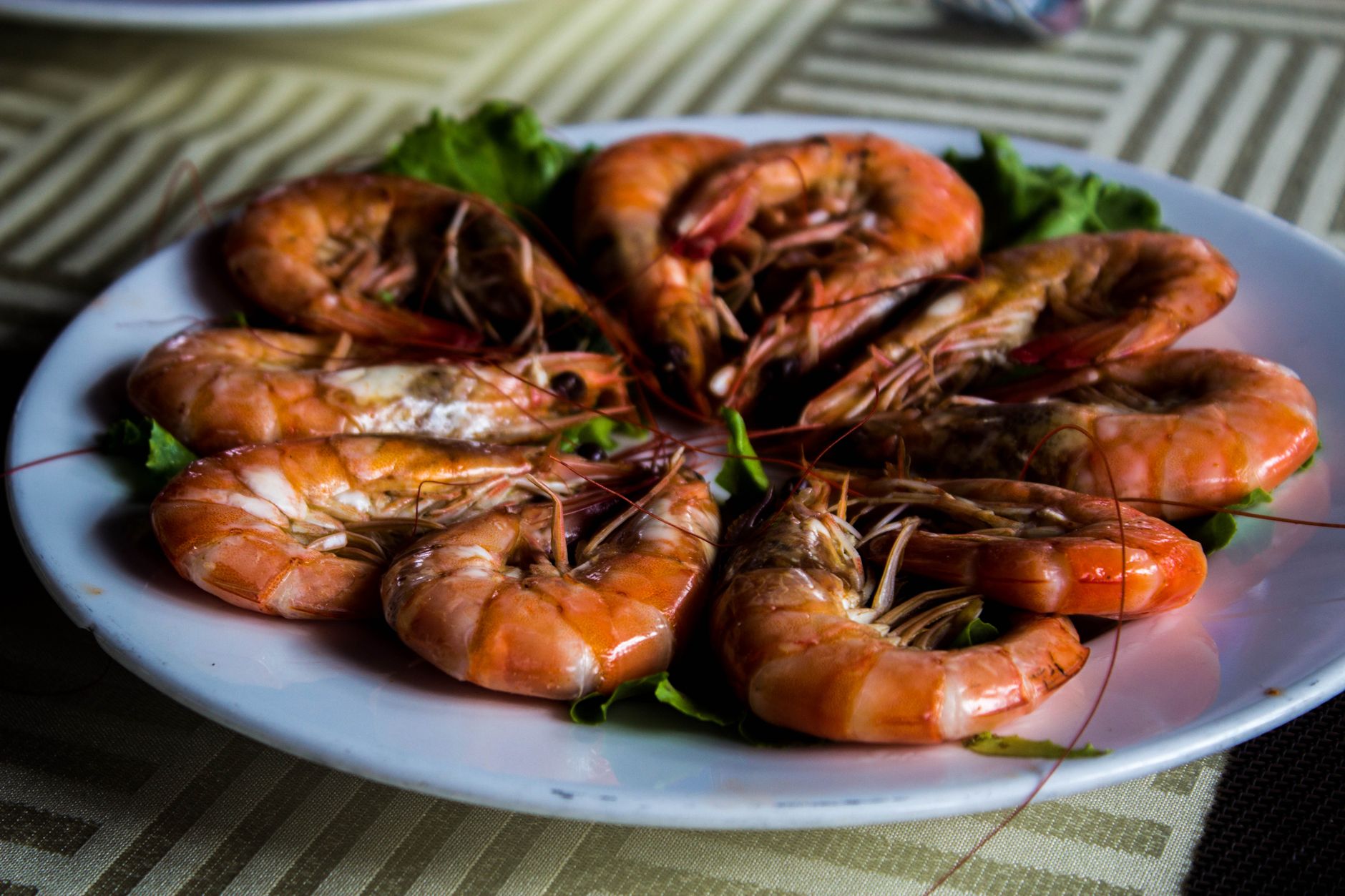
Shrimp is a popular seafood choice celebrated for its versatility and rich flavor. As a staple in various cuisines, it’s often regarded as a healthy option, particularly for those following low-fat diets. But how does shrimp truly measure up in terms of fat content? This article explores the nutritional aspects of shrimp, its culinary uses, and practical serving ideas that showcase its delightful qualities.
In this guide, we’ll provide a comprehensive look at shrimp’s fat content, how it fits into various dietary preferences, and several delicious ways to prepare and serve them. Whether you’re a seafood lover or just exploring new meal options, there’s much to discover about this delectable crustacean.
Is Shrimp Low Fat?
Yes, shrimp is considered a low-fat food. On average, a 3-ounce (85 grams) serving of cooked shrimp contains approximately 1 to 2 grams of total fat, primarily unsaturated fat, which is beneficial for heart health. This makes shrimp an appealing protein source for individuals looking to maintain a healthy diet.
Nutritional Profile of Shrimp
Understanding the specifics of shrimp’s nutritional content can help clarify why it’s regarded as a low-fat food. Here’s an overview:
- Calories: About 84 calories per 3-ounce (85 grams) serving
- Total Fat: 1-2 grams
- Protein: Approximately 18 grams
- Carbohydrates: 0 grams
- Sodium: 260 mg (may vary based on preparation)
- Cholesterol: About 165 mg
In addition to being low in fat, shrimp is also an excellent source of protein and contains essential vitamins and minerals, such as vitamin B12, iodine, and selenium.
How Shrimp Fits into a Healthy Diet
When included in a balanced diet, shrimp can provide numerous health benefits. Its low-fat content makes it suitable for various dietary plans, including:
- Weight Loss: Low in calories yet high in protein, shrimp can help with satiety, making it easier to manage weight.
- Heart Health: The unsaturated fats found in shrimp can promote heart health, especially if prepared using healthy cooking methods.
- Low-Carb Diets: As shrimp is carbohydrate-free, it fits well into ketogenic or other low-carb diets.
Nevertheless, it is crucial to be mindful of how shrimp is prepared, as additions like butter or creamy sauces may drastically increase the fat content.
Cooking Techniques for Shrimp
To take full advantage of shrimp’s low-fat characteristics, it’s essential to choose cooking methods that preserve its health benefits. Below are some of the most popular techniques:
Boiling
Boiling shrimp is a straightforward method that retains flavor without adding fat. Simply bring a pot of salted water to a boil, add the shrimp, and cook for about 2-3 minutes until they turn pink and opaque. This method is great for salads or shrimp cocktails.
Grilling
Grilling shrimp gives them a smoky flavor while keeping them low in fat. Marinate the shrimp briefly in spices or citrus juices for extra flavor before grilling on skewers for about 2-3 minutes per side. This method is excellent for summer barbecues.
Sautéing
Sautéing shrimp with minimal oil can enhance its taste while remaining low in fat. Use a non-stick pan and a small amount of olive oil, garlic, or other seasonings for flavor. Cook for about 4-5 minutes until the shrimp are opaque, stirring frequently.
Baking
Baking shrimp is another effective way to cook without adding excess fat. Preheat your oven to 375°F (190°C), place shrimp on a baking sheet, and season as desired. Bake for 8-10 minutes, ensuring not to overcook.
Delicious Shrimp Recipes
Now that we have covered the nutritional aspect and cooking methods, let’s transition into some recipe ideas that highlight shrimp’s unique flavor and low-fat attributes.
Creamy Coconut Shrimp
This dish combines the tropical sweetness of coconut with the fresh taste of shrimp. While traditionally creamy, you can adjust the recipe to keep it lighter.
- Ingredients:
- 1 pound shrimp, peeled and deveined
- 1 can (13.5 oz) coconut milk
- 2 cloves garlic, minced
- 1 tablespoon ginger, grated
- 1 tablespoon lime juice
- Salt and pepper to taste
- Cilantro for garnish
- Method:
- In a pan, sauté garlic and ginger in a small amount of olive oil until fragrant.
- Add the coconut milk and lime juice, bringing to a simmer.
- Add the shrimp, cooking until they turn opaque (about 3-4 minutes).
- Season with salt and pepper; garnish with cilantro before serving.
Shrimp Curry
This dish celebrates shrimp with the rich spices of Indian cuisine. It can be simplified or made more complex based on your taste.
- Ingredients:
- 1 pound shrimp, peeled and deveined
- 1 can (14 oz) diced tomatoes
- 1 can (14 oz) coconut milk
- 2 tablespoons curry powder
- 1 onion, chopped
- 2 cloves garlic, minced
- 1 tablespoon olive oil
- Salt and pepper to taste
- Method:
- In a large pan, sauté the onion and garlic in olive oil until softened.
- Add the curry powder and stir for a minute until aromatic.
- Pour in the diced tomatoes and coconut milk, bringing to a simmer.
- Add the shrimp and cook until they are just opaque (approximately 5 minutes).
- Season to taste with salt and pepper.
Practical Serving Ideas for Shrimp
Once your shrimp is cooked, there are countless ways to serve and enjoy it. Here are some practical ideas:
- Salads: Add shrimp to mixed greens with a tangy vinaigrette for a light meal.
- Tacos: Use shrimp as a filling for corn tortillas topped with avocado, cabbage, and salsa.
- Pasta: Toss shrimp with whole grain pasta, garlic, and vegetables for a hearty dish.
- Rice Bowls: Serve shrimp over a bed of brown rice or quinoa with stir-fried vegetables and soy sauce.
Storing and Reheating Shrimp
Proper storage and reheating are crucial to maintaining the quality of shrimp:
Storage
Cooked shrimp can be refrigerated in an airtight container for up to 3 days. For longer storage, consider freezing cooked shrimp, which will last for up to 6 months. Raw shrimp should be kept in the coldest part of the refrigerator and used within 1-2 days, or frozen for longer preservation.
Reheating
To reheat shrimp, use a gentle method to avoid overcooking:
- Microwave on low power, stirring occasionally, until heated through.
- Reheat in a skillet with a tiny amount of oil over low heat for a few minutes.
- Avoid boiling, as this can make shrimp rubbery.
Common Mistakes When Cooking Shrimp
To achieve perfectly cooked shrimp, be mindful of common pitfalls:
- Overcooking: Shrimp cooks quickly, and overcooking leads to a rubbery texture. Watch closely and remove from heat as soon as they turn pink.
- Not Seasoning: Shrimp has a mild flavor that benefits from seasoning before cooking. Use herbs, spices, or marinades to enhance its taste.
- Ignoring Freshness: Always choose fresh or properly frozen shrimp. Look for a slight ocean smell; if it smells sour or off, it’s best to avoid it.
Conclusion
Shrimp stands out as an excellent low-fat protein source, perfect for health-conscious eaters. Its versatility allows it to be integrated into various dishes, making it a great addition to your weekly meal planning. With its delectable flavor and low-fat profile, shrimp can be a go-to option for satisfying yet healthy meals.
To explore more ideas and delicious recipes that incorporate shrimp, check out our Creamy Coconut Shrimp Recipe and Shrimp Curry Recipe. Happy cooking!