
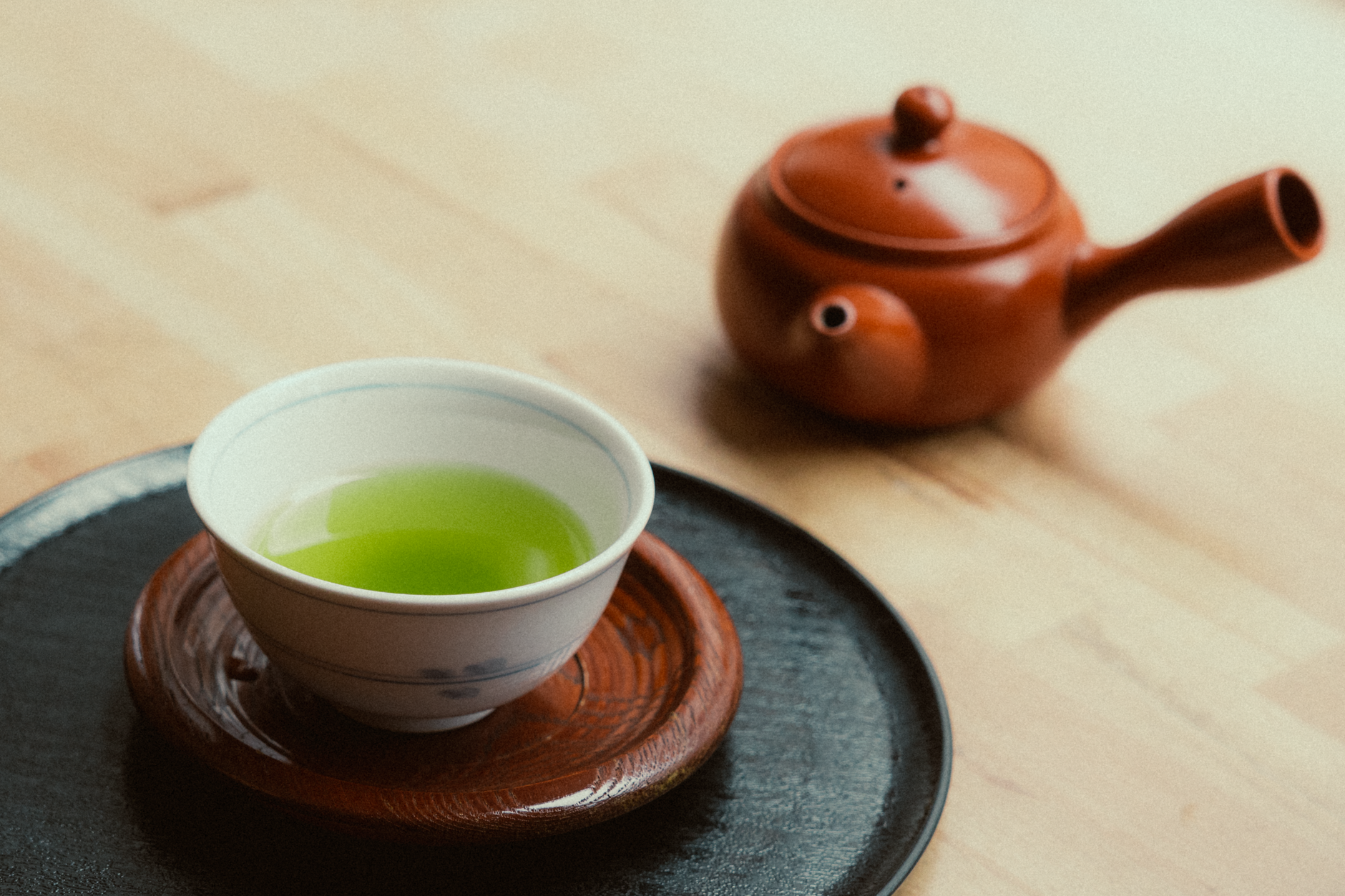
Green tea is cherished for its numerous health benefits and refreshing taste, making it a popular beverage choice worldwide. However, some individuals report experiencing heartburn after consuming green tea, raising concerns about its impact on digestive health. Understanding whether green tea can cause heartburn involves exploring its composition, potential triggers, and dietary considerations.
This article will provide insights into green tea, its relationship with heartburn, and suggest ways to enjoy it without discomfort. If you’ve been wondering whether your daily cup of green tea might be to blame for your heartburn woes, read on to uncover the facts.
Does Green Tea Cause Heartburn?
Green tea can potentially cause heartburn in some individuals, but it does not affect everyone the same way. The caffeine and acidity levels in green tea can be contributing factors to heartburn symptoms. However, mild-hearted tea drinkers may not experience any discomfort at all.
Understanding Heartburn
Heartburn, medically known as gastroesophageal reflux disease (GERD), occurs when stomach acid flows back into the esophagus, leading to a burning sensation in the chest or throat. Symptoms can include discomfort after meals, regurgitation, and difficulty swallowing. Lifestyle, diet, and individual sensitivities can all play a role in triggering these symptoms.
The Role of Caffeine
Green tea contains caffeine, although less than coffee and black tea. Caffeine can relax the lower esophageal sphincter (LES), which is the muscle that prevents stomach acid from entering the esophagus. When the LES relaxes, it may allow acid to escape, leading to heartburn. Individuals sensitive to caffeine may experience heartburn more readily when consuming caffeinated beverages.
Acidity Levels in Green Tea
The acidity of a beverage also influences its potential to cause heartburn. Green tea has a relatively low pH, meaning it is mildly acidic. However, its acidity is not as high as that found in coffee. For some people, even a small acidity level can trigger heartburn symptoms, while others might find it perfectly tolerable.
Individual Sensitivities and Reactions
It’s essential to recognize that people react differently to food and beverages. Some individuals may experience heartburn after consuming green tea, while others can drink it without any adverse effects. Factors such as individual health conditions, diet, and lifestyle choices play a significant role in these varying responses.
Dietary Considerations: Enjoying Green Tea Without the Burn
If you’re someone who enjoys green tea but experiences heartburn, there are several strategies you can implement to minimize potential discomfort. Here are some dietary considerations to keep in mind:
Opt for Lower Caffeine Varieties
Choosing decaffeinated green tea or low-caffeine blends can help reduce the likelihood of heartburn. These options offer a gentler experience without the caffeine spike that may trigger symptoms for sensitive individuals.
Monitor Preparation Methods
How you prepare your green tea can also impact its acidity levels. For example:
- Brewing Time: A longer brewing time can increase acidity levels, making the tea taste more bitter. Limit brewing time to 2-3 minutes.
- Water Temperature: Brewing with boiling water may extract more tannins and acidity. Aim for water temperatures between 160°F and 180°F (70°C to 80°C) for a balanced flavor and lower acidity.
Pairing and Timing
Enjoying green tea with food can help buffer acidity levels. Try having it after meals rather than on an empty stomach to see if it reduces your chances of heartburn. Certain foods may also play a role; consider pairing green tea with low-acid and gentle fare, such as:
- Whole grains
- Lean proteins
- Non-citrus fruits
- Vegetables
Experiment with Herbal Teas
If green tea consistently leads to heartburn, consider switching to herbal teas that are naturally caffeine-free and less acidic. Options such as chamomile, ginger, or peppermint tea can be soothing alternatives.
Alternative Green Tea-Based Drinks
If green tea is still a central element of your diet, here are some alternative, heartburn-friendly drinks you might explore:
Cold Brew Green Tea
Cold brewing green tea can yield a smoother, less acidic flavor profile. To make cold brew green tea:
- Fill a pitcher with cold water.
- Add green tea leaves or bags (about 1 teaspoon of leaves per cup of water).
- Let it steep in the refrigerator for 6 to 12 hours.
- Strain and enjoy cold.
Green Tea Smoothies
Incorporating green tea into smoothies can mask its acidity and enhance your health benefits. Combine brewed and cooled green tea with fresh fruits, yogurt, or spinach. Try this simple recipe:
- 1 cup brewed green tea (cooled)
- 1 banana
- 1 cup spinach
- 1/2 cup low-fat yogurt
- 1 tablespoon honey (optional)
Blend until smooth and enjoy as a refreshing, heartburn-friendly drink.
Other Factors to Consider
In addition to the drink itself, other life choices and habits can contribute to heartburn occurrences. Here are some factors to evaluate more closely:
Meal Size and Frequency
Larger meals can increase the risk of reflux symptoms. Consider smaller, more frequent meals throughout the day to manage heartburn better. This may help reduce stomach pressure and lower the chance of acid flowing back into the esophagus.
Weight Management
Being overweight can place extra pressure on the stomach, leading to a higher chance of heartburn. Maintaining a healthy weight through proper diet and regular exercise can help prevent symptoms.
Identifying Trigger Foods
Keep a food diary to identify potential trigger foods. Alongside green tea, consider other common culprits like spicy dishes, citrus fruits, tomatoes, chocolate, and fried foods that may exacerbate heartburn symptoms.
Common Mistakes and Troubleshooting
While enjoying green tea, it’s easy to make mistakes that might lead to heartburn. Here are some common pitfalls to avoid:
Ignoring Body Signals
It’s crucial to listen to your body. If you experience heartburn symptoms consistently after having green tea, it may be best to limit your consumption or adjust how you prepare it.
Underestimating Portion Sizes
Consuming large quantities of green tea can increase caffeine intake and acidity levels. Stick to moderate consumption – typically about 2 to 3 cups per day is recommended for most individuals.
Oversteeping Tea
Overtime steeping green tea can lead to a bitter, more acidic brew. Be mindful of steeping times to avoid a sharp flavor that might trigger heartburn.
Enjoying Green Tea Thoughtfully
While some individuals may be predisposed to heartburn from green tea, many enjoy its benefits without issues. By following dietary considerations and experimenting with different preparation methods, you can find ways to enjoy green tea without discomfort.
Consider incorporating the tea into varied meal experiences. From smoothies to cold brews, green tea can adapt to different flavors and preferences. This flexibility allows you to continue enjoying its many benefits while minimizing heartburn risks.
Conclusion
Green tea can be a healthy addition to your diet, but if you experience heartburn, it’s essential to approach it mindfully. Individual sensitivity to caffeine and acidity must be taken into account, and adjusting how you enjoy green tea can lead to a more pleasant experience.
If you find yourself dealing with heartburn frequently, it may be beneficial to consult a healthcare professional. They can provide personalized advice tailored to your specific needs. Meanwhile, exploring green tea alternatives and swapping preparation methods can offer a refreshing twist while reducing heartburn triggers.
For more insights on drinks and teas, check out what green tea tastes like in our guide to green tea flavors or prepare a delicious chai concentrate using our chai concentrate recipe.