
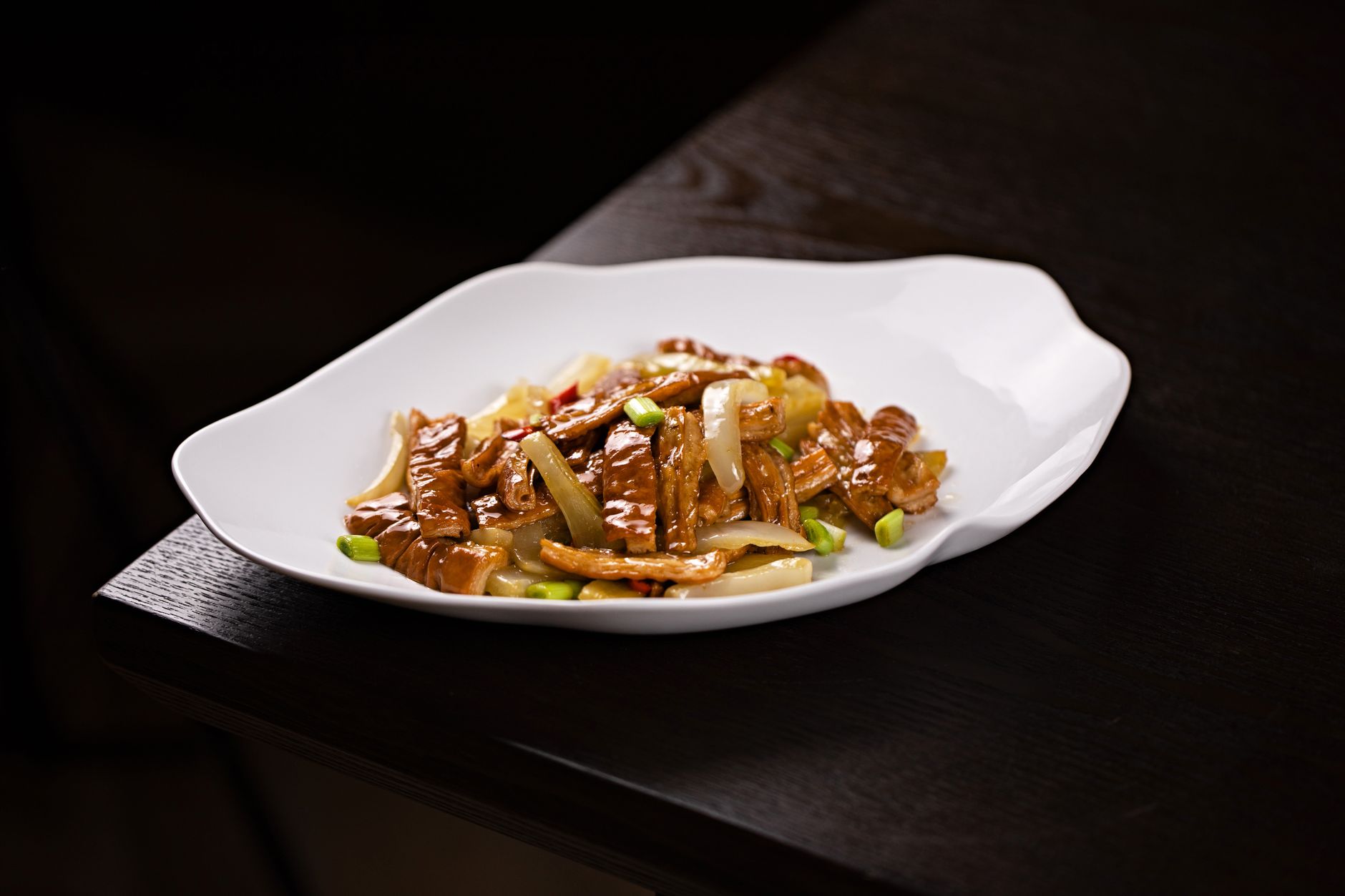
Seitan is a versatile and protein-rich meat substitute made primarily from wheat gluten. Often referred to as “wheat meat” or “wheat protein,” seitan has gained popularity among vegetarians and vegans for its unique chewy texture and ability to absorb flavors. Understanding what seitan is and how to use it can expand your culinary options, making it a great addition to various dishes.
This article will dive into the ingredients used to make seitan, its flavor profile, and the numerous ways to serve it in your meals.
What Is Seitan Food?
Seitan is a food made from gluten, the main protein found in wheat. By washing wheat flour dough with water and kneading it until the starch granules dissolve, you are left with a sticky, elastic mass primarily composed of gluten proteins. This results in a product that mimics meat in texture while being vegan-friendly.
Ingredients of Seitan
The main ingredient in seitan is vital wheat gluten, a protein derived from wheat. The simplicity of its preparation is one of the reasons for seitan’s increasing popularity. The essential ingredients for making seitan are:
- Vital Wheat Gluten: The primary ingredient that provides the chewy texture.
- Water: Used to hydrate the wheat gluten, allowing it to form a dough.
- Flavorings: Soy sauce, garlic powder, onion powder, and spices can be added to enhance the taste.
- Vegetable Stock or Broth: Used in boiling or simmering seitan, adding flavor during the cooking process.
Optional Ingredients for Enhanced Flavor
While basic seitan only requires vital wheat gluten and water, many recipes suggest adding some optional ingredients to improve flavor and nutritional content:
- Miso paste: Adds depth and umami flavor.
- Nut butter: Increases creaminess and gives a unique flavor.
- Herbs and spices: Customize the flavor profile based on your dish.
Flavor Profile of Seitan
Seitan has a neutral taste on its own but absorbs flavors well, making it suitable for various cuisines. Depending on how it’s prepared, it can replicate the flavors of chicken, beef, pork, or any other type of meat. The addition of marinades, cooking methods, and accompanying ingredients significantly influence its overall taste.
How to Prepare Seitan
Preparing seitan involves a few straightforward steps. Below, we outline how to make seitan from scratch:
- Mix the Ingredients: In a mixing bowl, combine 1 cup of vital wheat gluten with 1/4 cup of water. You can also include seasonings like garlic powder or a dash of soy sauce to enhance flavor.
- Knead the Dough: Knead the mixture for a few minutes until it forms a sturdy yet elastic dough.
- Shape the Seitan: Shape the dough into a log or cut it into segments, depending on your intended use.
- Cook the Seitan: The seitan can be simmered in vegetable broth for about 30 minutes or steamed, depending on your preference. This also helps develop its flavor.
Ways to Serve Seitan
Seitan can be used in a variety of dishes, thanks to its meat-like texture. Here are some popular ways to serve seitan:
1. Stir-Fries
Seitan works wonderfully in stir-fried dishes. Its chewy texture holds up well with vegetables like bell peppers, broccoli, and snap peas. Toss with your favorite stir-fry sauce, serve it over rice or noodles, and enjoy a satisfying meal.
2. Tacos and Burritos
Season seitan with Mexican spices such as cumin, chili powder, or taco seasoning for delicious vegan tacos. Serve in taco shells or warm tortillas with toppings like avocado, salsa, and cilantro.
3. Sandwiches and Wraps
Slice seitan thinly to mimic deli meats for sandwiches or wraps. Pair with assorted vegetables, spreads, and condiments for a quick meal.
4. Curries and Stews
Seitan can absorb the flavors of curries and stews beautifully. Add it to your favorite recipes for a protein boost, while retaining the dish’s hearty textures.
5. Grilled or Barbecued
Marinate seitan and grill it for a smoky flavor. It can be served on skewers or as part of a barbecue platter alongside vegan side dishes.
Practical Tips for Using Seitan
Here are some practical tips for working with seitan to ensure the best results:
Storage and Shelf Life
Store cooked seitan in an airtight container in the refrigerator for up to a week. Uncooked seitan can be kept in the freezer for up to three months. To enjoy later, simply thaw and heat or cook as desired.
Reheating Seitan
When reheating seitan, aim for moist heat. Steaming or sautéing are excellent methods to maintain its texture and avoid it becoming too dry. Microwaving is possible, but it may not yield the best texture.
Practical Substitutions for Seitan
If you are in a situation without seitan, several substitutes can be used depending on your dietary preferences:
- Tempeh: Fermented soy product with a nutty flavor and firm texture. It works well in stir-fries and sandwiches.
- Tofu: Soft, firm, or extra-firm tofu mimics the texture of seitan well with added marinade for flavor.
- Jackfruit: Young green jackfruit can be cooked until tender and shredded for a meat-like texture in tacos and BBQ dishes.
- Mushrooms: Portobello or shiitake mushrooms impart a savory taste and hearty texture to various dishes.
Common Mistakes and Troubleshooting
Working with seitan might present challenges if you’re not familiar with it. Here are some common mistakes and their solutions:
Issue: Seitan Is Too Chewy
Seitan may turn out overly chewy if it is kneaded for too long or cooked at extremely high temperatures. To remedy this, reduce the kneading time and opt for gentle simmering.
Issue: Seitan Is Flavorless
If seitan lacks flavor, it’s likely that not enough seasonings were added. Marinating the cooked seitan can help enhance its taste significantly.
Issue: Seitan Falls Apart During Cooking
Overcooking can make seitan break down. Use a gentle simmer rather than a rolling boil, and ensure it is adequately mixed and shaped before cooking.
Seitan in Regional Cuisines
Seitan has found its way into various international cuisines due to its versatility:
Asian Cuisine
In Asian-style dishes, seitan is often used in stir-fries, dumplings, or soups. It absorbs flavor well, making it an excellent addition to dishes like Pad Thai or Pho.
Mexican Cuisine
Seitan is commonly found in vegan burritos and tacos, where it offers the texture of traditional meat while perfectly absorbing various spices.
Italian Cuisine
In Italian dishes, seitan can be used in marinara sauces or pasta dishes, bringing a heartiness that complements classic recipes.
Conclusion
Seitan is an incredible, protein-rich food option that serves as a superb meat substitute in many dishes. With its unique texture and ability to absorb flavors, it can enhance a variety of meals. Experimenting with seitan will not only diversify your cooking but also satisfy your appetite while adhering to a plant-based diet.
For additional information on cooking with alternative ingredients, such as coconut milk in your breakfast recipes, explore our guide on seitan food and check out our chia pudding recipe with coconut milk.