
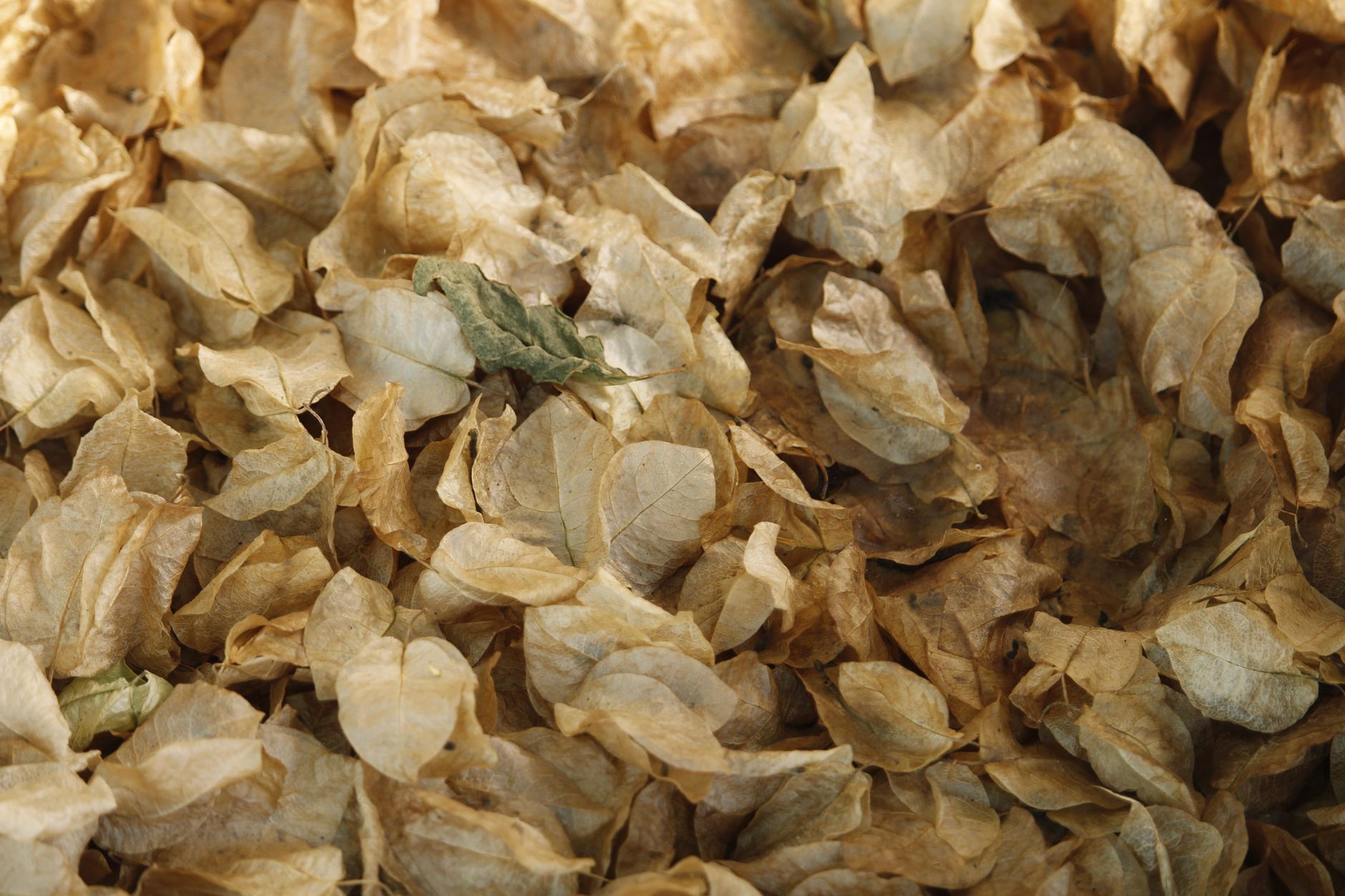
Kasoori methi, also known as dried fenugreek leaves, is a staple herb in Indian and Middle Eastern cuisines. Its unique, slightly bitter flavor and aromatic scent add depth to a variety of dishes, making it a popular choice among cooks looking to elevate their meals.
This article provides a comprehensive understanding of kasoori methi, including its ingredients, taste profile, culinary uses, and effective substitutes, enabling you to enhance your cooking repertoire.
What Is Kasoori Methi?
Kasoori methi is the dried leaf of the fenugreek plant, scientifically known as Trigonella foenum-graecum. It is commonly used in Indian cooking for its distinct flavor and health benefits. The leaves are harvested, dried, and crushed to create a fragrant spice that is often found in curries, breads, and rice dishes.
Flavor Profile and Aroma of Kasoori Methi
Kasoori methi has a complex flavor that can be described as slightly bitter and nutty, with a subtle sweetness. Its aroma is highly distinctive, reminiscent of maple syrup and hay, which intensifies when cooked. This combination of flavors makes kasoori methi an excellent addition to savory dishes, providing a welcome contrast to richer or creamier notes.
Culinary Uses of Kasoori Methi
Kasoori methi is versatile and can be used in a variety of ways. Here are some popular culinary applications:
1. Enhancing Curries and Stews
Adding kasoori methi towards the end of cooking a curry or stew enriches the dish with complexity. Generally, one to two teaspoons are sufficient to infuse a pot of curry serving four to six.
2. Seasoning Breads
Kasoori methi is often incorporated into Indian breads, such as naan, parathas, or roti. Adding two teaspoons to the dough or brushing it over the surface before cooking enhances the aroma and taste.
3. Flavoring Rice Dishes
Mixing kasoori methi into rice dishes or pilafs adds depth. Use approximately one teaspoon for a serving of rice for a fragrant dish.
4. As a Garnish
In Indian cuisine, kasoori methi can be crushed and sprinkled over finished dishes as a garnish. This practice not only boosts the flavor but also enhances the visual appeal of the dish.
5. Marinating Meats
Kasoori methi can be a key ingredient in marinades for meats, imparting flavor to chicken, lamb, or fish. Combine it with yogurt and spices for effective marination, allowing it to infuse for at least an hour.
6. Flavoring Sauces and Dips
If you enjoy dips, kasoori methi can be blended into yogurt-based sauces or dressings, contributing unique notes to the overall flavor profile.
Shopping and Storing Kasoori Methi
When purchasing kasoori methi, look for high-quality, dried leaves. They should be dark green, fragrant, and free from any signs of discoloration or moisture. Here are some storage tips:
- Store kasoori methi in an airtight container in a cool, dark place.
- Avoid exposure to direct sunlight, which can diminish flavor and aroma.
- Properly stored, kasoori methi can last up to six months.
Substitutes for Kasoori Methi
If you find yourself without kasoori methi, several alternatives work reasonably well to substitute its flavor:
- Fresh Fenugreek Leaves: If you have access to fresh fenugreek, use a larger quantity (about three times more) as fresh herbs are less concentrated in flavor.
- Dried Oregano: In a pinch, dried oregano provides a similar aromatic profile, though it lacks the distinct bitterness of kasoori methi. Use a 1:1 substitution.
- Dried Mint: While different in flavor, dried mint can mimic the herbal element of kasoori methi. Start with half the amount and adjust to taste.
Common Mistakes to Avoid
When using kasoori methi, consider the following common mistakes to enhance your cooking experience:
1. Adding It Too Early
One common mistake is adding kasoori methi too early in the cooking process. Since it can lose its flavor with prolonged cooking, it’s best added during the final stages of cooking.
2. Not Crushing It
Crushing kasoori methi before adding it to your dish releases its essential oils and enhances the flavor. Using it whole can lead to a milder taste.
3. Using Too Much
Due to its strong flavor, moderation is key. Overusing kasoori methi can create an overpowering taste, so start with small amounts and adjust as needed.
Health Benefits of Kasoori Methi
Beyond its culinary uses, kasoori methi is also valued for its health properties. While this does not replace professional medical advice, here are some commonly associated benefits:
- Digestive Health: Fenugreek is often believed to aid digestion and reduce bloating.
- Blood Sugar Control: Some research suggests that fenugreek may help maintain healthy blood sugar levels.
- Antioxidant Properties: The herb contains antioxidants that are beneficial for overall health.
Using Kasoori Methi in Everyday Cooking
Incorporating kasoori methi into your regular meals can enhance flavor without added fat or calories. Here are some effortless methods to include it:
1. Spicing Up Scrambled Eggs
Add a teaspoon of crushed kasoori methi to your scrambled eggs for a delightful twist on breakfast.
2. Flavor in Vegetable Dishes
Stir kasoori methi into sautéed vegetable dishes, such as mixed greens or roasted vegetables, to deepen the flavor.
3. Enriching Soups
Add kasoori methi to soups or lentil dishes for an innovative flavor element without overwhelming the existing ingredients.
How to Cook with Kasoori Methi
Cooking with kasoori methi is straightforward, but it requires an understanding of its properties. Here are some essential cooking tips:
1. Toasting
Toasting kasoori methi briefly in a dry pan can amplify its flavor. Heat it over low heat until fragrant, then cool before adding to dishes.
2. Pairing with Other Spices
Kasoori methi pairs well with spices like cumin, coriander, and turmeric. Creating spice blends or using these in dishes where kasoori methi is included can enhance the overall flavor.
3. Balancing Flavors
The bitterness of kasoori methi can be balanced by incorporating a hint of sweetness—perhaps through tomatoes or a bit of jaggery in your curry.
Exploring Kasoori Methi in Regional Cuisines
While kasoori methi is predominantly used in Indian cooking, it also features in other cuisines, including Middle Eastern dishes. Here’s an exploration of its broader culinary significance:
1. In Indian Cuisine
As referenced, kasoori methi is integral to various Indian recipes, especially in Punjabi dishes, where it enhances the richness of curries and dairy-based meals.
2. Middle Eastern Influence
In Middle Eastern cuisine, kasoori methi can be found in spice mixes and used to season meats, offering a different nuance to classic kebabs and stews.
Simple Recipe: Paneer Butter Masala with Kasoori Methi
For a practical understanding of kasoori methi in action, here’s a simple recipe for Paneer Butter Masala:
Yield
Serves four.
Preparation Time
15 minutes.
Cooking Time
30 minutes.
Total Time
45 minutes.
Ingredients
- 250 grams paneer, cubed
- 2 tablespoons butter
- 1 tablespoon oil
- 1 medium onion, finely chopped
- 2 tomatoes, pureed
- 2 teaspoons ginger-garlic paste
- 1 teaspoon cumin seeds
- 1 teaspoon garam masala
- 1 teaspoon kasoori methi, crushed
- 1/2 cup cream
- Salt to taste
Essential Equipment
- Frying pan
- Spatula
- Blender (for pureeing tomatoes)
Method
- Heat the oil and butter in a frying pan over medium heat.
- Add cumin seeds and let them sizzle.
- Stir in the chopped onions and sauté until golden brown.
- Add ginger-garlic paste and sauté for an additional minute.
- Pour in the tomato puree, and let it cook until the oil separates.
- Sprinkle garam masala and kasoori methi, stirring to incorporate.
- Add the paneer cubes and stir gently to coat.
- Pour in cream and simmer for about 5 minutes; adjust salt to taste.
- Serve hot with naan or rice.
Final Thoughts
Kasoori methi is a flavorful and versatile herb that can significantly enhance the taste of various dishes. Understanding how to use it properly allows you to explore its unique flavor and integrate it creatively into your culinary adventures.
Explore more related recipes, cooking tips, or food guides to deepen your culinary knowledge. Learn about ingredient substitutions such as good substitutes for rosemary or find out what to use instead of coriander.